The story in 30 seconds
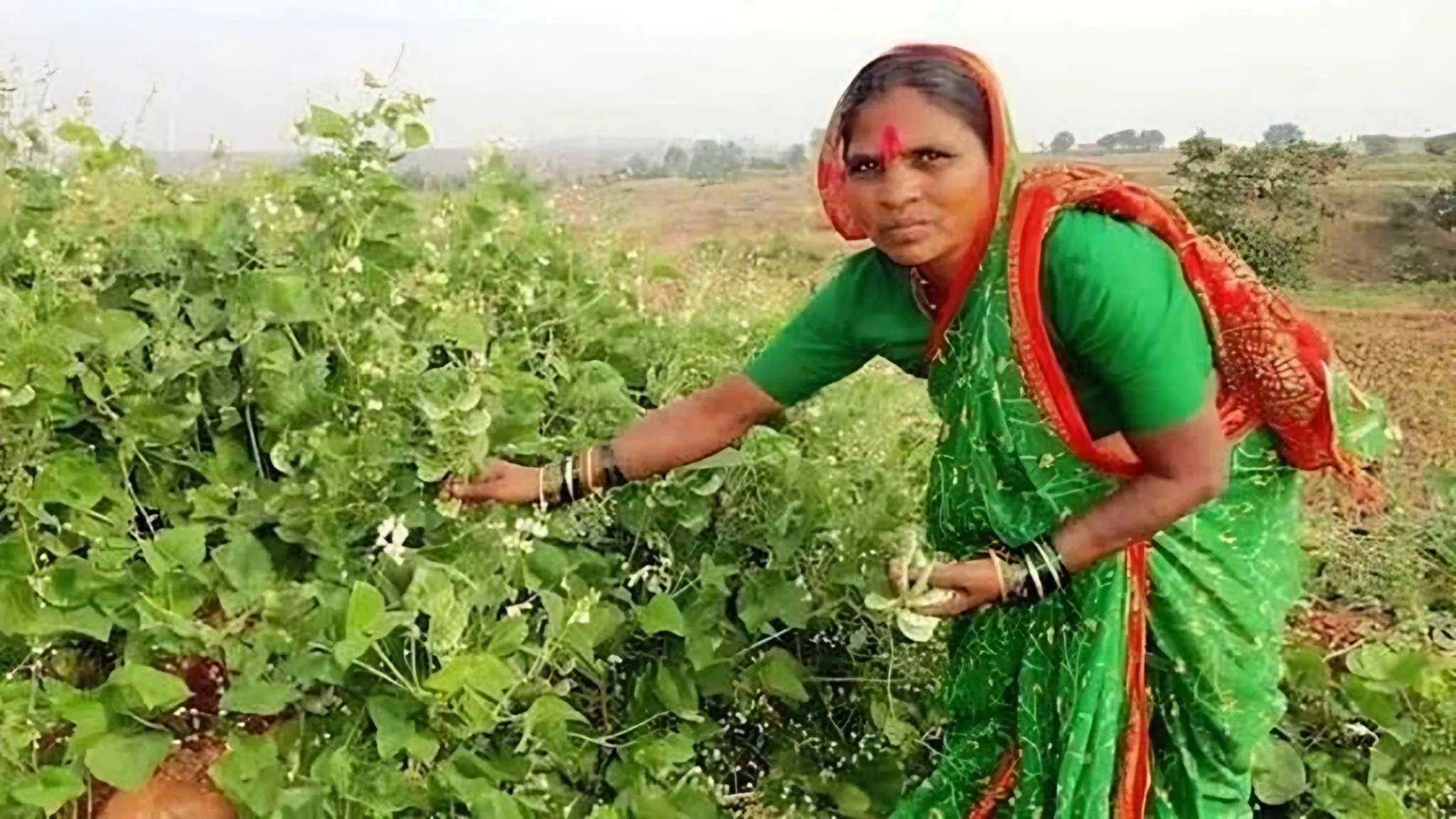
- Rahibai Soma Popere is a tribal farmer from Kombhalne village in Akole, Maharashtra.
- She left school because of poverty and was working on farms by the age of 10.
- She went back to native seeds after linking frequent illness in her village to hybrid crops.
- Her community seed bank lends seed on one rule: borrow a kilo, return two after harvest.
- Known as the 'Seed Mother', she received the Padma Shri for 2020.
In this story4 sections
In Kombhalne, a tribal village in Akole taluka of Ahmednagar district in Maharashtra, Rahibai Soma Popere stores seeds the old way: in earthen pots layered with ash and sealed with cow dung. Farmers who borrow a kilo of seed from her return two after the harvest, the Good Food Movement reported in February 2026.
She belongs to the Mahadeo Koli community. She lost her mother at the age of seven and was the fifth of nine children, the same report said. Poverty forced her out of school, and by the age of 10 she was working on farms and tending cattle, according to a Department of Science and Technology note. Her family farmed rain-fed land in the monsoon and spent the rest of the year working as labourers at a sugar factory in Akole, The Better India reported in 2017.
Why she went back to old seeds
Hybrid seeds spread through her village in the late 1990s and early 2000s, and she grew them too. Then she noticed people falling ill. "Villagers were falling sick frequently after eating food prepared from hybrid crops," she told Village Square in 2017. She believed native varieties were more nourishing, and with women farmers from Akole she formed a group, the Kalsubai Parisar Biyanee Samvardhan Samiti, to collect and save local seeds.
Her family doubted the switch at first, worried about yield and income. "Everyone thought I was crazy," she told the Good Food Movement. To win over other farmers, she grew four traditional rice varieties next to four hybrids under the same conditions on her own land. The hybrids struggled without chemical fertiliser, while the traditional varieties gave full grains, the report said.
Not every seed survived. One native bajra did well for three years, but in the fourth year birds ate the whole crop, because its grain was softer and sweeter than the hybrid bajra in nearby fields. Farmers stopped growing it, and she lost the seed herself.
A seed bank in her courtyard
In 2017, BAIF Development Research Foundation helped her set up a community seed bank in her courtyard, the Good Food Movement reported. The DST note put her home collection at about 122 landraces of 32 crops, and said she had trained about 3,500 farmers across Ahmednagar district in methods such as SRI paddy farming and seed selection. The Good Food Movement put the bank at 116 varieties of 54 crops in 2026, with about 2,000 women linked to it and more than 400 producing seed.
Scientist Raghunath Mashelkar, a former director general of CSIR, gave her the title Seed Mother, Village Square reported. It also reported that five hyacinth bean varieties she conserved were being evaluated at Mahatma Phule Krishi Vidyapeeth in Rahuri, and that she had applied to register her varieties with the Protection of Plant Varieties and Farmers' Rights Authority.
Recognition
She was on the BBC's 100 Women list in 2018, according to Wikipedia. The Padma Shri for 2020 was conferred on her at Rashtrapati Bhavan on 8 November 2021, Krishi Jagran reported. A three-minute short film on her campaign against hybrid seeds had won third place in the international section of Nespresso Talents 2019 at the Cannes Film Festival, the same report said. Speaking at the Women Science Congress, she said every village should have a seed bank and every home should eat chemical-free food, the Free Press Journal reported.
The United Nations has declared 2026 the International Year of the Woman Farmer. From Kombhalne, her seeds, especially vegetables, now reach buyers in Delhi, Jaipur and Bhopal, the Good Food Movement reported.
For more grassroots innovators, read our stories on Dharambir Kamboj, a farmer who built a food processing machine, and Vidyut Mohan of Takachar, who works on crop residue.
More from FoundersFeed: rural impact founders and founders from Maharashtra.
This story is based on interviews Rahibai Soma Popere has given to the press, government documents and news reports, linked above. FoundersFeed did not interview her for this story. For corrections, write to editorial@foundersfeed.in.
Sources
- Good Food Movement: How Rahibai Popere built a seed bank (2026)
- Department of Science and Technology: Seed Mother Rahibai gets Padma Shri
- The Better India: Seed Mother Rahibai's story (2017)
- Village Square via Vikalp Sangam: Maharashtra seed mother pioneers conservation of native varieties (2017)
- Wikipedia: Rahibai Soma Popere
- Krishi Jagran: Seed Mother awarded with Padma Shri (2021)
- Free Press Journal: Rahibai Popere at the Women Science Congress
- FAO: International Year of the Woman Farmer 2026
Questions readers ask
Who is Rahibai Soma Popere?
A tribal farmer from Kombhalne village in Akole, Maharashtra, known as the 'Seed Mother' for saving native seed varieties. She received the Padma Shri for 2020.
Why is she called the Seed Mother?
Scientist Raghunath Mashelkar, a former director general of CSIR, gave her the title for her work conserving native seeds, Village Square reported.
How does her seed bank work?
Farmers borrow native seed and return twice the quantity after harvest, so the stock grows each season.
How many varieties does her seed bank hold?
A DST note put it at about 122 landraces of 32 crops; a 2026 Good Food Movement report put it at 116 varieties of 54 crops.
Why did she switch from hybrid seeds?
She said villagers were falling sick often after eating food grown from hybrid crops, and she believed native varieties were more nourishing.

Written by
Saraswati ChaubeySaraswati Chaubey is a Staff Writer at FoundersFeed, writing about women founders and changemakers. She follows entrepreneurship, artificial intelligence and India's fast-changing innovation ecosystem.