The story in 30 seconds
- Dharambir Kamboj studied up to Class 10 in his village and pulled a cycle rickshaw in Old Delhi in the 1980s.
- A road accident in 1987 sent him back to farming in Damla village, Yamunanagar.
- Told that processing machinery would cost about ₹5 lakh, he built his own prototype for roughly ₹25,000.
- The portable machine pulps, steams, cooks and extracts juice, gel and oil from fruits, herbs and flowers.
- He says he has sold more than 2,000 machines and runs a company with his son.
In this story6 sections
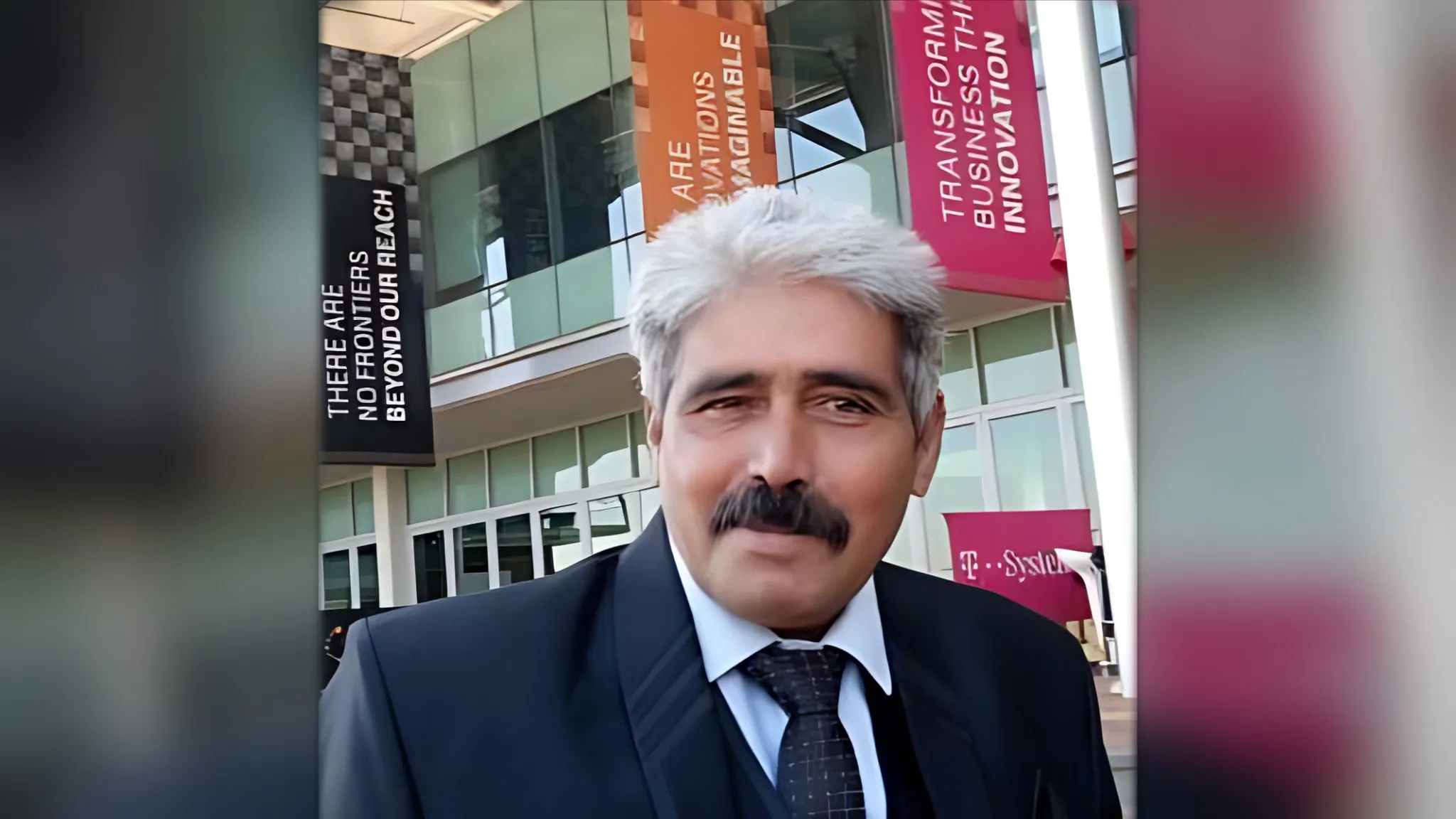
In the mid-1980s, Dharambir Kamboj paid ₹6 a day to rent a cycle rickshaw in Old Delhi. Many of his passengers were traders in the Khari Baoli wholesale market, and he noticed how much people in the city paid for processed fruit products. Kamboj, who had studied only up to Class 10 in his Haryana village, later described those Delhi years as "nothing short of hell", The Better India reported.
Two decades later, the same man had built a portable machine that lets farmers turn fruit, herbs and flowers into juice, gel, oil and other products on their own land. He says he has sold more than 2,000 of them, in India and abroad.
From Damla to Khari Baoli
Kamboj grew up in Damla, a village in Yamunanagar district, and finished Class 10 at the government school there, The Tribune reported. The family was short of money, and he worked on its farm and herb plots, YourStory reported. In the mid-1980s, after a quarrel with his father, he left for Delhi, according to a PTI report carried by the Daily Excelsior.
He could not find a job, so he took up a rickshaw. In spare hours he read at a public library near Old Delhi railway station and at roadside stalls selling second-hand books, The Better India reported. In 1987 a road accident left him badly hurt, and he went back to the village to farm.
A ₹5 lakh quote and a ₹25,000 answer
Back in Damla, Kamboj grew herbs and aloe vera and kept thinking about the prices he had seen in Delhi. In 2002, a bank manager told him what machinery he would need to process his produce. The quote was about ₹5 lakh, YourStory reported.
He decided to build one himself. Encouraged by his wife, he spent about eight months and roughly ₹25,000 on a first prototype, he told Krishi Jagran.
What the machine does
The multipurpose processing machine is a food-grade stainless steel drum on a single-phase motor. It can pulverise, mix, steam and pressure-cook, and it extracts juice, gel and oil without crushing seeds, according to the National Innovation Foundation. A condenser lets it draw essence from flowers such as rose and lavender. The larger model can produce up to 150 kg of fruit juice an hour and uses around 1.5 units of electricity an hour, the foundation's listing says.
Because it can be moved, the processing can happen where the crop is grown, instead of at a distant factory. One model could extract pulp from more than 200 kg of tomatoes an hour, the PTI report said. FoundersFeed has also written about Vidyut Mohan of Takachar, who builds small machines that farmers use near their own fields, and about Arunachalam Muruganantham, whose low-cost machine lets women’s groups make sanitary pads.
Help with the paperwork
In 2007, volunteers from the Honey Bee Network and staff from the National Innovation Foundation got in touch with Kamboj, according to a 2015 account in the agriculture journal Rural 21. They helped him improve the design for hygiene and safety, get a food products licence and a sales tax number, register his firm, test his products and file for a patent. "NIF and GIAN helped me to deal with paperwork," he told the journal. The patent application was filed in 2008.
Recognition followed. The foundation gave him a state award at its fifth national awards in 2009, and in 2013 he received a national award from the President, The Better India reported. In 2014 he was one of five innovators invited to stay at Rashtrapati Bhavan as guests of President Pranab Mukherjee, the PTI report said.
A company with his son
In 2018, Kamboj and his son Prince set up Dharambir Food Processing Technology Private Limited. The company's annual turnover was ₹1.16 crore, Kamboj told The Tribune, which reported that NCERT had added his story to its Class 12 Business Studies textbook. His machines have gone to countries including Nepal, Kenya, Nigeria, Uganda, Italy, Australia and the US, Krishi Jagran reported.
He also trains farmers and women to process their own produce, and says more than 20,000 people from rural areas have become self-employed through the training. Haryana Governor Bandaru Dattatreya gave him an honorary diploma for that work, The Tribune reported.
Kamboj credits the machine for the change in his life. "This machine changed my fortune and I have sold over 2,000 machines," he told The Tribune.
More from FoundersFeed: grassroots innovators, food and farm founders and founders from Punjab and Haryana.
This story is based on interviews Dharambir Kamboj gave to the press, National Innovation Foundation records and news reports, linked above. FoundersFeed did not interview Dharambir Kamboj for this story. For corrections, write to editorial@foundersfeed.in.
Sources
- YourStory: Once a rickshaw puller, this farmer-entrepreneur built a food processing machine
- The Better India: Rickshaw puller turns innovator (2021)
- Daily Excelsior (PTI): From a rickshaw puller to a guest at Rashtrapati Bhavan
- Krishi Jagran: From rickshaw puller to farmer-entrepreneur (2022)
- National Innovation Foundation: Multi Purpose Processing Machine (2009)
- National Innovation Foundation: The Multipurpose Processing Machine (2013)
- Rural 21: A food processing machine that makes a difference (2015)
- The Tribune: Farmer's entrepreneurship earns him a chapter in a Class 12 book
- The Tribune: Farmer-turned-entrepreneur awarded honorary diploma
Questions readers ask
Who is Dharambir Kamboj?
A farmer and grassroots innovator from Damla village in Haryana's Yamunanagar district. He pulled a cycle rickshaw in Delhi in the 1980s before building a portable food processing machine.
What does his machine do?
It pulverises, mixes, steams and pressure-cooks, and extracts juice, gel, oil and essence from fruits, herbs and flowers without crushing seeds. It runs on a single-phase motor and can be taken to the farm.
How much did his first machine cost?
He spent about eight months and roughly ₹25,000 on the first prototype, after a bank manager told him the machinery he needed would cost about ₹5 lakh.
What awards has he won?
The National Innovation Foundation gave him a state award in 2009, and in 2013 he received a national award from the President. In 2014 he stayed at Rashtrapati Bhavan as an innovation scholar.
Where is the machine used?
Kamboj says he has sold more than 2,000 machines. They have gone to countries including Nepal, Kenya, Nigeria, Uganda, Italy, Australia and the US.

Written by
Sunny PanwarSunny Panwar is Correspondent, Bharat and States, at FoundersFeed. He reports from the ground on state startup policy, founder incentive schemes, incubation hubs and the events where India's founders and investors meet.