The story in 30 seconds
- Arpit Dhupar co-founded Chakr Innovation in 2016 and was its chief technology officer.
- Chakr Shield traps soot from diesel generators, and the captured soot is made into ink.
- In 2020 he co-founded Dharaksha Ecosolutions with Anand Bodh to use paddy stubble.
- Dharaksha grows mushroom mycelium through sterilised stubble to make packaging that replaces thermocol.
- Dharaksha raised Rs 24.8 crore in a seed round led by Avaana Capital in September 2024.
In this story4 sections
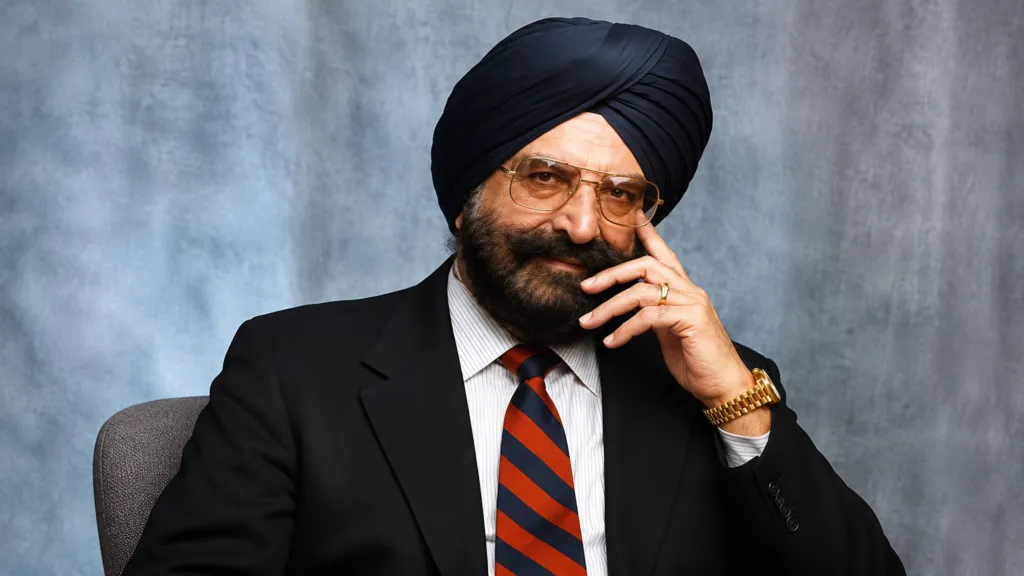
Arpit Dhupar has spent a decade turning pollution into products. At Chakr Innovation, which he co-founded in 2016, he helped build a device that traps soot from diesel generators so it can be made into ink. At Dharaksha Ecosolutions, which he started in 2020 with Anand Bodh, he uses mushroom roots to turn paddy stubble that farmers would otherwise burn into packaging that can replace thermocol.
He grew up in Delhi, a city hit hard by air pollution, and graduated as a mechanical engineer in 2014, according to Echoing Green, which named him a climate fellow in 2017. He went on to a master's in machine design at IIT Delhi, Upaya Social Ventures notes.
Arpit Dhupar and the soot trap at Chakr
Chakr Innovation was founded in 2016 by Kushagra Srivastava, Arpit Dhupar and Bharti Singhla, and launched its first product, Chakr Shield, in 2017, Wikipedia's entry on the company says. The device is retrofitted onto diesel generators. Echoing Green described it as a continuous, self-cleaning trap for particulate emissions that can cut pollution from burning fuel by more than 80%, with the captured soot turned into inks. He was its chief technology officer.
A grey sky and a sabbatical
The idea for his second venture came from a drawing. His young nephew coloured the sky grey instead of blue, The Better India reported. "I started the venture with the aim of making the skies blue," he told the site. In 2019, during a sabbatical from work, he travelled through villages in Punjab and Haryana to understand why farmers burn paddy stubble. He found that they need their fields cleared fast for the next crop and that the wet straw is a poor fuel.
His answer was to have the stubble baled and carted away, and to use it as raw material. At Dharaksha's unit, the straw is sterilised and seeded with mushroom culture. Mycelium, the root network of the fungus, grows through it in about seven days and binds it into a solid shape without resin. The block is then baked to stop the growth. The material breaks down in about 60 days in normal soil and has a shelf life of more than three years, YourStory reported in 2023.
It took about two years of research and development to get the material right, he told SPAN magazine in 2022. Early customers included Dabur and Barosi. The Better India later reported that its main clients were in the glass industry and that The Gourmet Jars had switched to it from thermocol. Dharaksha paid farmers Rs 2,500 an acre and had bought more than 250 tonnes of stubble from 100 acres in Punjab and Haryana, the site reported in 2023.
Funding and what comes next
After appearing on Shark Tank India, Dharaksha raised Rs 24.8 crore in a seed round led by Avaana Capital in September 2024, with Vinners Capital, India Angels and Soonicorn also investing, Inc42 reported. It had raised about Rs 4 crore in 2022 in a round led by Rainmatter and Momentum Capital. The company says it has repurposed 7,000 tonnes of farm waste so far. It is also developing a mushroom-based alternative to MDF boards used in furniture and construction, Indian Startup News reported.
Arpit Dhupar has described the goal as "completing a circular ecosystem by returning nutrients to the soil," Inc42 reported.
For more founders turning farm waste and pollution into useful products, read our stories on Vidyut Mohan of Takachar and Hitesh Doshi of Waaree Energies.
More from FoundersFeed: climate founders and founders from Punjab and Haryana.
This story is based on interviews Arpit Dhupar has given to the press, company filings and statements, and news reports, linked above. FoundersFeed did not interview Arpit Dhupar for this story. For corrections, write to editorial@foundersfeed.in.
Sources
- Echoing Green: Arpit Dhupar
- Upaya Social Ventures: Dharaksha Ecosolutions
- Wikipedia: Chakr Innovation
- The Better India: Biodegradable thermocol from crop stubble (2023)
- YourStory: Dharaksha converts crop residue into packaging (2023)
- SPAN: Sustainable alternatives to plastic packaging (2022)
- Inc42: Dharaksha raises Rs 24.8 crore (2024)
- Indian Startup News: Dharaksha's seed round (2024)
Questions readers ask
Who is Arpit Dhupar?
He is a Delhi-raised engineer who co-founded Chakr Innovation, which captures diesel generator soot, and Dharaksha Ecosolutions, which makes packaging from paddy stubble.
What does Dharaksha Ecosolutions make?
Biodegradable packaging made by growing mushroom mycelium through sterilised paddy stubble. It is used as a replacement for thermocol and breaks down in about 60 days in soil.
How does Dharaksha help with stubble burning?
It has stubble baled and collected from farms, paying farmers for it, so fields can be cleared without burning. The Better India reported a rate of Rs 2,500 an acre in 2023.
What does Chakr Innovation do?
Its Chakr Shield device is fitted to diesel generators to trap particulate emissions, and the captured soot is converted into inks.
How much funding has Dharaksha raised?
Rs 24.8 crore in a seed round led by Avaana Capital in September 2024, after a 2022 round of about Rs 4 crore led by Rainmatter and Momentum Capital.

Written by
Sunny PanwarSunny Panwar is Correspondent, Bharat and States, at FoundersFeed. He reports from the ground on state startup policy, founder incentive schemes, incubation hubs and the events where India's founders and investors meet.