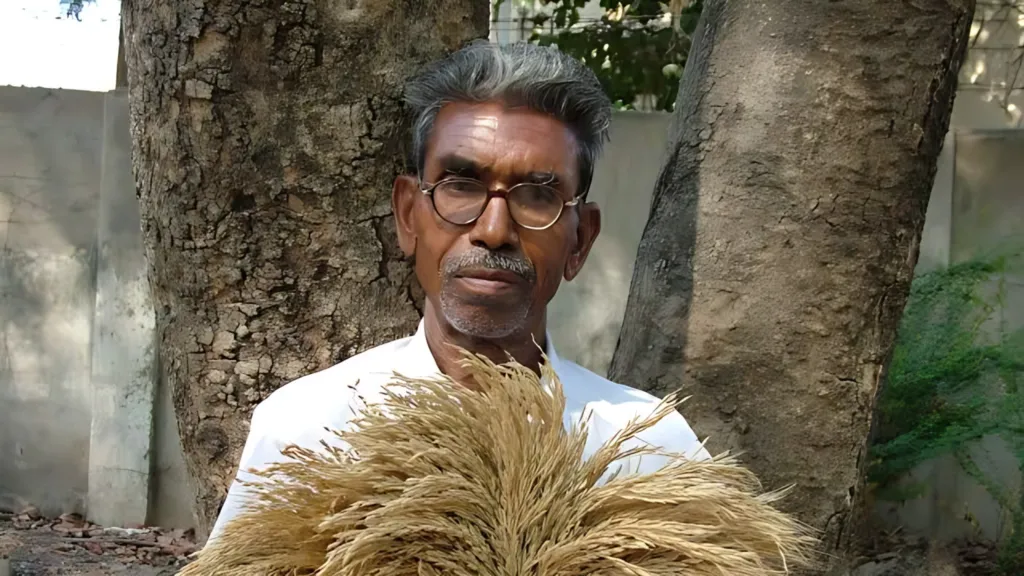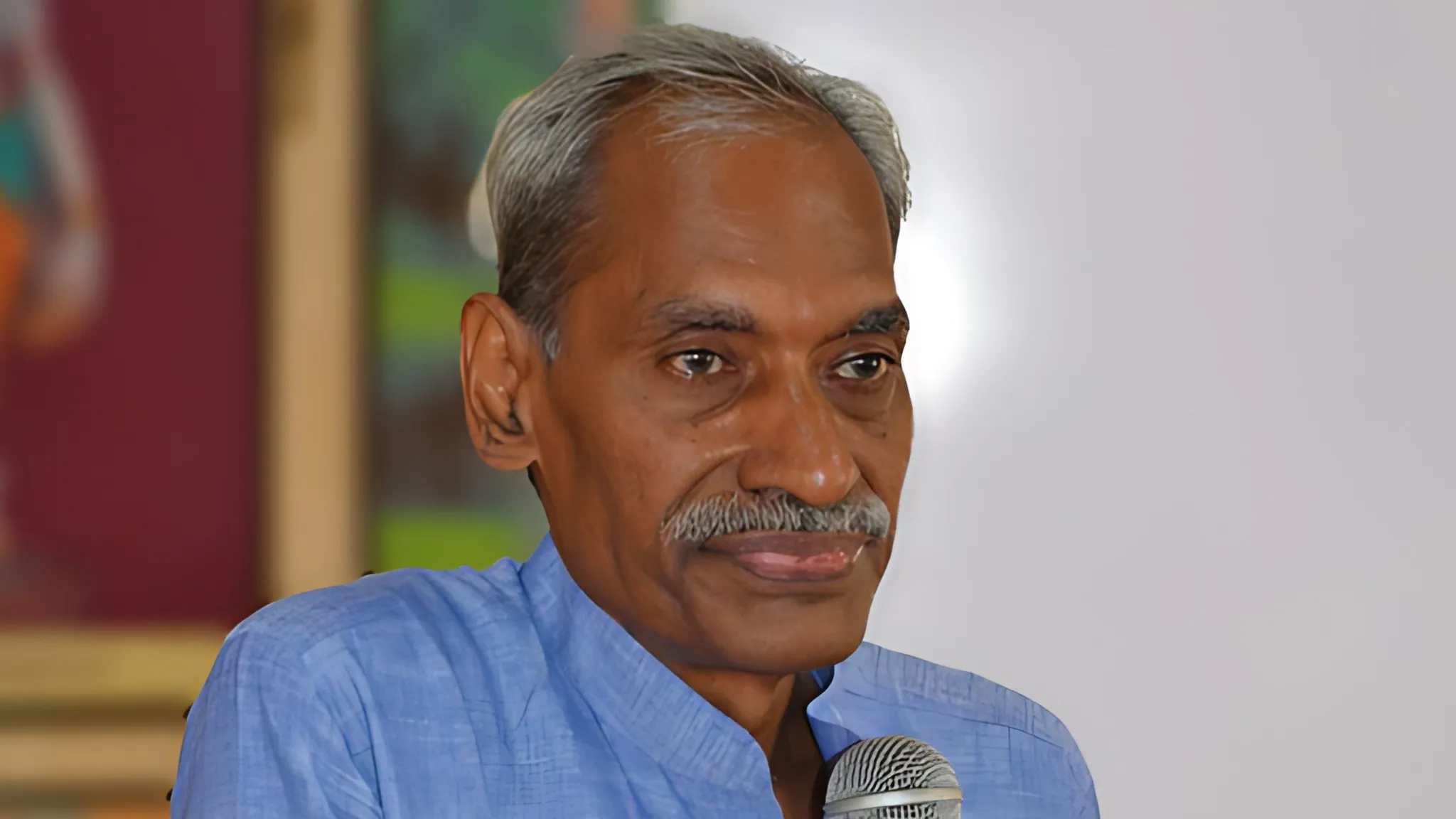
The story in 30 seconds
- Subhash Palekar's yields fell in the 1980s after years of chemical farming in Belora, Amravati.
- He studied forests and tested methods on his own fields from 1989 to 1995.
- Zero budget natural farming replaces bought inputs with mixes of local cow dung, urine, jaggery and pulse flour.
- He received the Padma Shri in 2016, and Himachal Pradesh built a state scheme around the method in 2018.
- In 2019 India's National Academy of Agricultural Sciences called it unproven; Palekar rejected the verdict.
In this story4 sections
Subhash Palekar went back to his family's farm in Belora, in Maharashtra's Amravati district, in 1972 with an agriculture degree and persuaded his father to use chemical fertilisers and pesticides. Yields rose and stayed high for more than a decade. Around 1985 they began to fall, The Better India reported, and Palekar spent the next ten years building an alternative that he called zero budget natural farming.
How Subhash Palekar built zero budget natural farming
Born in 1949 into a farming family, Palekar had studied agriculture in Nagpur. After concluding that chemicals were behind his falling harvests, he studied forest vegetation from 1986 to 1988 to see how forests sustain themselves. From 1989 to 1995 he tested techniques on his own fields before combining them into one method, the site reported.
The idea is in the name: no money spent on bought inputs. In place of fertiliser and pesticide, farmers use preparations made from local cow dung and urine mixed with jaggery and pulse flour, and treat seeds with a similar mix, according to an Indian Farming compendium published by the Indian Council of Agricultural Research. Palekar says one local cow can serve 30 acres. He also claims crops take 98 to 98.5% of their nutrients from air, water and sunlight, The Wire reported.
A Padma Shri and a state scheme
The method spread through his workshops. In 2016 The Better India reported that he spent 25 days a month teaching, and it credited the method with reaching more than 40 lakh farmers. That year he received the Padma Shri, the first active farmer to get the award, the site said. In her July 2019 budget speech, Finance Minister Nirmala Sitharaman said India would go back to basics with zero budget farming, The Quint reported.
Himachal Pradesh built a state scheme around it. Its natural farming programme, launched in 2018, promotes Subhash Palekar Natural Farming, Down To Earth reported. By March 2026, 2.23 lakh of the state's 9.97 lakh farmers were practising natural farming on 38,456 hectares, 101Reporters reported. A study it cited found a 44% drop in input costs and a 49% rise in income among adopters, but about 21% more labour, and another found farmers often did not get better prices.
Subhash Palekar and the scientists
India's farm scientists were less convinced. In September 2019 the National Academy of Agricultural Sciences called ZBNF an unproven technology and said it was unlikely to bring significant gains for farmers, The Wire reported. Critics also questioned the zero budget label, because farmers still pay for labour, jaggery and pulse flour, and for dung if they have no cattle. A government farming systems institute at Modipuram could not validate the method's claims, The Quint reported.
Palekar rejected the academy's verdict. "NAAS has no expertise to validate my method of farming," he told The Indian Express, as quoted by The Wire. Scientists at a 2018 meeting at Tamil Nadu Agricultural University had told him to drop the zero budget name, according to The Quint. He has since renamed the method after himself, saying many people used it without crediting him, Open magazine reported.
The yield claims behind the method have been disputed, but the central pitch Subhash Palekar makes, cutting what farmers spend on chemicals, has found takers in state programmes and among more than two lakh farmers in Himachal alone.
For more founder stories, read our pieces on Dharambir Kamboj and Vidyut Mohan of Takachar.
More from FoundersFeed: grassroots innovators and founders from Maharashtra.
This story is based on interviews Subhash Palekar has given to the press, government and research publications, and news reports, linked above. FoundersFeed did not interview Subhash Palekar for this story. Farmer counts for the method are estimates from the sources cited and have not been independently verified. For corrections, write to editorial@foundersfeed.in.
Sources
- The Better India: This farmer won the Padma Shri for his zero budget natural farming model (2016)
- ICAR Indian Farming: Success stories of natural farming in Himachal Pradesh (2023)
- The Wire: Questions on zero budget natural farming (2019)
- The Quint: Does zero-budget natural farming work? (2019)
- Down To Earth: A question of sales, natural farming in Himachal
- 101Reporters: Himachal farmers turn to natural farming (2026)
- Open: The soil economy
Questions readers ask
Who is Subhash Palekar?
A farmer from Belora in Maharashtra's Amravati district who developed zero budget natural farming. He received the Padma Shri in 2016.
What is zero budget natural farming?
A method that replaces bought fertilisers and pesticides with preparations made from local cow dung and urine, jaggery and pulse flour.
Why is it now called Subhash Palekar Natural Farming?
Palekar renamed it after himself, saying others used it without credit, and scientists had objected to the zero budget label.
What do scientists say about it?
In 2019 the National Academy of Agricultural Sciences called it unproven and unlikely to bring significant gains for farmers.
Where is it promoted?
Himachal Pradesh promotes it through a state scheme launched in 2018. By March 2026, 2.23 lakh farmers there practised natural farming.

Written by
Sunny PanwarSunny Panwar is Correspondent, Bharat and States, at FoundersFeed. He reports from the ground on state startup policy, founder incentive schemes, incubation hubs and the events where India's founders and investors meet.