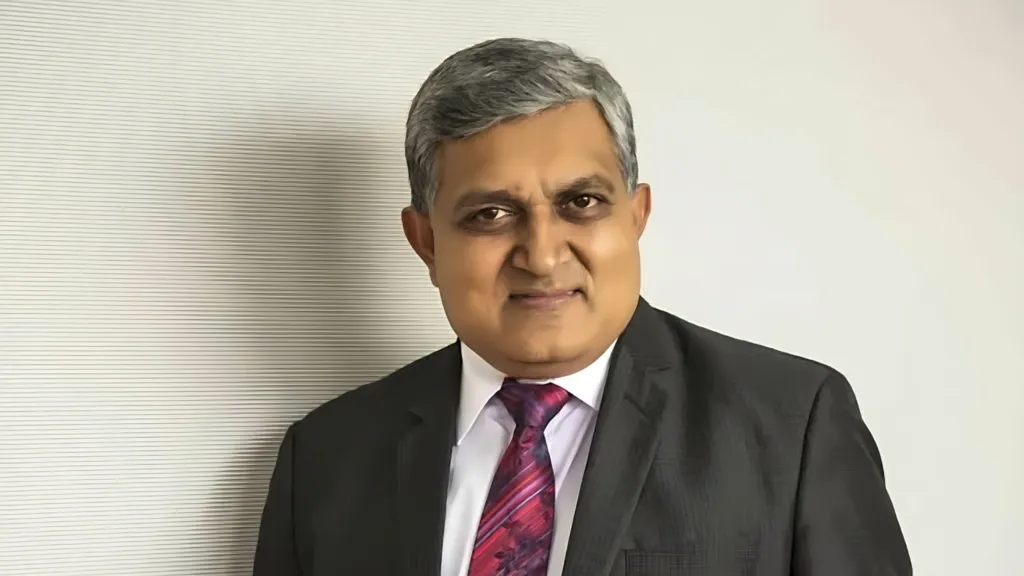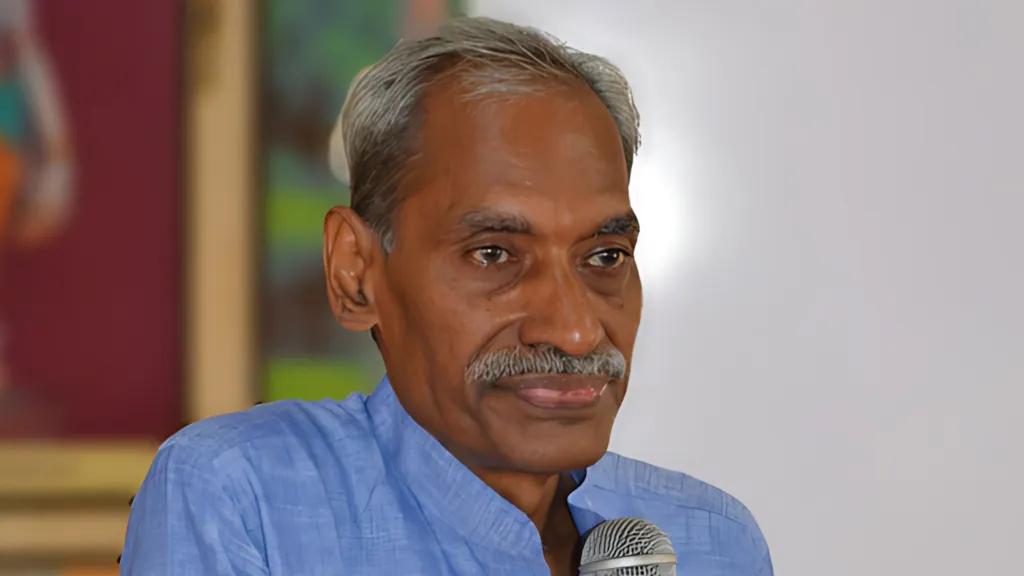
The story in 30 seconds
- Devendra Gupta co-founded Ecozen in 2010 with Prateek Singhal and Vivek Pandey, fellow IIT Kharagpur students.
- They started with a campus energy audit and Rs 1.2 lakh, then sold solar lanterns and street lights.
- In 2014 they launched Ecofrost, a solar cold room, and Ecotron, a solar pumping system.
- FY25 revenue rose to Rs 1,150 crore and profit to about Rs 95 crore.
- Ecozen has leaned on debt to grow, with three debt deals in 12 months by January 2026.
In this story4 sections
Devendra Gupta started Ecozen in 2010 with two fellow mechanical engineering students at IIT Kharagpur, and their first project was an energy audit of their own campus, Outlook Business reported. The company they built in Pune now sells solar pump controllers and solar-powered cold rooms to farmers, and in FY25 its revenue crossed Rs 1,000 crore.
How Devendra Gupta found the farm problem
Devendra Gupta, Prateek Singhal and Vivek Pandey began with Rs 1.2 lakh, Outlook Business reported. Later each put in about Rs 5 lakh to build prototypes. In the early years Ecozen sold solar lanterns, rooftop systems and LED street lights, according to The Better India. The idea for a cold room came while Gupta was working with farmers on irrigation, he told The Better India in a separate interview. A solar cold room made sense where the grid was weak: one Ecozen customer in Parbhani, Maharashtra, lived in a village known for power cuts of up to 18 hours, Outlook Business reported.
Ecofrost and Ecotron
The first Ecofrost cold room was installed at the agricultural university in Raichur, Karnataka, in 2014, Electronics For You reported. It fits in a 20-foot container, holds about five tonnes of produce and runs on solar panels. Instead of batteries it stores energy as cold, so it can keep running for about 36 hours in cloudy weather, Outlook Business reported. Farmers who use it pay about Rs 1 to Rs 2 per kilo of produce, Gupta told The Better India.
When Ecozen started, he said, the market was new and few people were willing to invest. Uptake was slow at first: when it won an award from the UK charity Ashden, Ecozen had installed about 100 Ecofrost units serving some 1,000 farmers, mostly growers of fruit, vegetables and flowers.
In December 2014 Ecozen launched Ecotron, a solar water pump system that can be fitted onto existing diesel pumps, Outlook Business reported. Its controller can also run lights and fans when the pump is idle, and in 2016 it cost about Rs 1.1 lakh to Rs 1.2 lakh per horsepower. "As engineers, we love to innovate," the Ecozen founder told the magazine. By early 2026 the company had made more than 3 lakh Ecotron units, IPO Central reported.
Devendra Gupta takes Ecozen past Rs 1,000 crore
Growth took years and then came quickly. Ecozen's revenue was Rs 122 crore in FY22, Entrackr reported. In FY25 it rose 2.5 times to Rs 1,150 crore from Rs 458 crore a year earlier, and profit rose nearly five times to about Rs 95 crore, Entrackr reported, citing the company's filings. Solar and related products made up 77% of collections. The company ended the year with Rs 228 crore in cash and has raised more than $76 million in equity and debt, with Nuveen and Omnivore as its lead investors.
Much of the recent growth has been funded with borrowing. In January 2026 Ecozen moved to raise Rs 95 crore in debt from Momentum Capedge, its third debt deal in 12 months, Entrackr reported. Those debentures pay 11.5% a year, IPO Central reported, and they followed debt rounds of about $23 million in January 2025 and Rs 111.6 crore in November 2025. Ecozen competes with companies such as Powerflex, Inficold and Khetworks.
Ecozen began with a campus energy audit and a few solar lanterns. Devendra Gupta now has to show that a hardware business funded partly by debt can keep its profits growing along with its sales.
For more founder stories, read our pieces on Vidyut Mohan of Takachar and Hitesh Doshi of Waaree Energies.
More from FoundersFeed: climate founders and founders from Maharashtra.
This story is based on interviews Devendra Gupta has given to the press, company filings and statements, and news reports, linked above. FoundersFeed did not interview Devendra Gupta for this story. Financial figures are as reported up to November 2026. For corrections, write to editorial@foundersfeed.in.
Sources
- Outlook Business: Powered by sunshine (2016)
- The Better India: IIT Kharagpur startup's solar cold storage (2021)
- The Better India: Ecozen solar solutions for farmers
- Electronics For You: Ecofrost solar-powered cold storage
- Ashden: Ecozen Solutions, award winner
- IPO Central: Ecozen to issue NCDs to Momentum Capedge (2026)
- Entrackr: Ecozen crosses Rs 120 crore revenue in FY22
- Entrackr: Ecozen profit nears Rs 100 crore in FY25
- Entrackr: Ecozen to raise Rs 95 crore debt (2026)
Questions readers ask
Who is Devendra Gupta?
He is the co-founder and CEO of Ecozen, a Pune company that makes solar-powered cold rooms and pump systems for farmers.
What is Ecofrost?
A solar-powered cold room in a 20-foot container that holds about five tonnes of produce and stores energy as cold instead of in batteries.
What is Ecotron?
Ecozen's solar water pump system, launched in December 2014, which can be fitted onto existing diesel pumps.
Is Ecozen profitable?
Yes. It reported a profit of about Rs 95 crore on revenue of Rs 1,150 crore in FY25.
How has Ecozen funded its growth?
Through equity from investors such as Nuveen and Omnivore, and several debt rounds, including Rs 95 crore from Momentum Capedge in 2026.

Written by
Sunny PanwarSunny Panwar is Correspondent, Bharat and States, at FoundersFeed. He reports from the ground on state startup policy, founder incentive schemes, incubation hubs and the events where India's founders and investors meet.