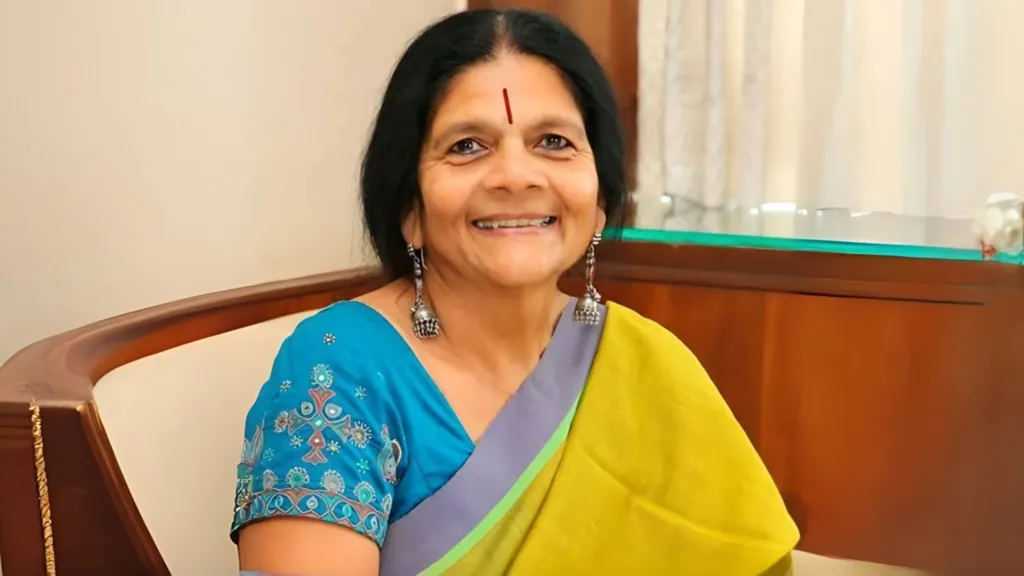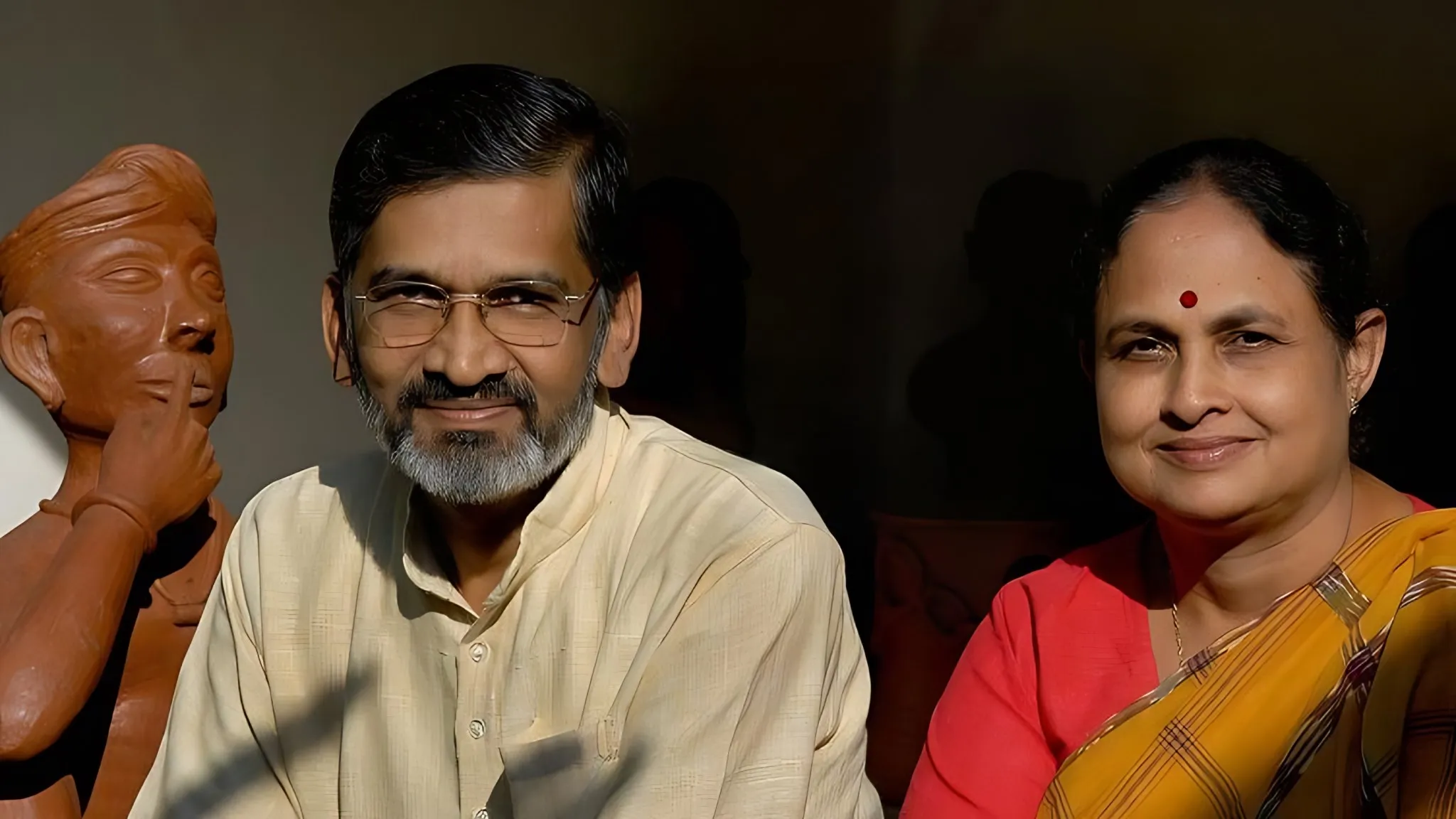
The story in 30 seconds
- Abhay and Rani Bang returned from Johns Hopkins and set up SEARCH in Gadchiroli in the mid-1980s.
- Infant mortality in their area was 121 per 1,000 births when they started.
- Their 1999 Lancet trial showed home-based newborn care cut neonatal deaths by 62% in study villages.
- SEARCH says the approach has been used across India and in 12 other countries.
- Both received the Padma Shri in 2018.
In this story4 sections
Abhay and Rani Bang came back to India in the mid-1980s with public health degrees from Johns Hopkins University and chose to work in Gadchiroli, one of Maharashtra's poorest districts. When they began, 121 of every 1,000 babies born in their area died before their first birthday, The Better India reported. Their village-based newborn care later cut that rate to about 30.
How Abhay and Rani Bang built SEARCH
Both trained as doctors in India before going to the US. After earning their master's degrees in public health in 1984, they returned to start SEARCH, the Society for Education, Action and Research in Community Health, according to their Ashoka fellowship profile. Abhay Bang grew up in Mahatma Gandhi's Sevagram Ashram, his official bio says.
SEARCH was set up in Gadchiroli in 1986, The Better India reported, and the couple began treating patients from a small outpatient room. Over time SEARCH extended its work to 269 villages, and the couple now treat about 1 lakh patients a year from Gadchiroli and nearby districts, the site reported in 2024.
Research that changed newborn care
Their first big studies came from listening to villagers. Rani Bang's 1988 community study of gynaecological problems in rural Gadchiroli was among the first in the world to look at women's health beyond pregnancy, SEARCH says. In a 1989 letter to The Lancet the couple argued for women's and child health rather than only maternal and child health. The team then showed that trained village health workers could diagnose and treat childhood pneumonia, the leading cause of infant deaths there, and the couple told The Better India this cut infant mortality by 60%.
The work they are best known for came next. From 1995 to 1998, local women were trained as village health workers to help traditional midwives at births and to visit newborns at home, manage low birth weight, cold and feeding problems, and diagnose and treat infections. By the trial's third year, 93% of newborns in the 39 intervention villages were getting this care. Neonatal mortality there was 62% lower than in control villages and infant mortality 46% lower, and the care cost about $5.3 per baby, according to the study published in The Lancet in 1999 (summary). The paper made community-level newborn care a serious subject for researchers and policymakers, a 2005 Journal of Perinatology supplement noted.
Abhay and Rani Bang beyond the clinic
SEARCH says its home-based newborn care approach has since been used across India and in 12 other countries. The Bangs also run Muktipath, a programme on tobacco and alcohol use that is active in 200 villages, The Better India reported. Rather than abolishing the traditional huts where women in some tribal communities stay during menstruation, they worked with the Mukul Madhav Foundation to rebuild them with modern facilities.
Both were awarded the Padma Shri in 2018, and Johns Hopkins gave Abhay Bang a distinguished alumnus award from its department of international health in 2013, his bio says. A former colleague, writing for DailyO, recalled that Rani concentrated on the hospital while Abhay was busy with research. "We are the privileged ones," Rani Bang told The Better India.
Four decades after they arrived, Abhay and Rani Bang still work from Gadchiroli, where the research that changed newborn care began.
For more founder stories, read our pieces on A Velumani of Thyrocare and D R Mehta of the Jaipur Foot.
More from FoundersFeed: health founders and founders from Maharashtra.
This story is based on interviews Abhay and Rani Bang have given to the press, SEARCH's published research and records, and news reports, linked above. FoundersFeed did not interview them for this story. Mortality figures are from SEARCH's studies and the sources cited. For corrections, write to editorial@foundersfeed.in.
Sources
- Ashoka: Abhay Bang fellow profile
- SEARCH: Dr Abhay Bang bio-data (2022)
- The Better India: Rani and Abhay Bang (2018)
- SEARCH: Research highlights
- The Lancet trial summary (1999), via The Communication Initiative
- Journal of Perinatology supplement (2005)
- The Better India: Dr Abhay and Rani Bang (2024)
- DailyO: Thanks to Padma Shri, the country will now know Gadchiroli's doctor couple (2018)
Questions readers ask
Who are Abhay and Rani Bang?
Doctors who founded SEARCH in Gadchiroli, Maharashtra, and pioneered home-based newborn care in villages.
What is home-based newborn care?
Trained village health workers visit newborns at home to manage low birth weight, cold, feeding problems and infections.
What did their Lancet study show?
Neonatal mortality in intervention villages was 62% lower than in control villages in the trial's third year.
What else does SEARCH do?
It runs a hospital and clinics, research on women's and child health, and Muktipath, a programme on tobacco and alcohol use.
What honours have they received?
Both received the Padma Shri in 2018.

Written by
Dr. Mayank RajDr. Mayank Raj is Editor-in-Chief of FoundersFeed. He has spent more than eight years building India's startup incubation infrastructure, helping establish one of North India's largest incubation centres and mentoring more than 150 startups from first idea to first cheque. He now leads a national programme bringing innovation clubs and incubation centres to schools and colleges across India, and has been recognised with a national leadership award for that work.