The story in 30 seconds
- Remya Jose designed a pedal-powered washing machine at 14, after her board exams.
- Laundry fell to her and her twin sister while both parents were unwell, and school meant a four-hour daily commute.
- A local automobile workshop built the machine from her drawing; it cost about Rs 2,000.
- Clothes soak for 10 minutes and are washed by three to four minutes of pedalling; spinning leaves them about 80% dry.
- NIF filed a patent in August 2003, and the machine won a student award at NIF's third national awards.
In this story4 sections
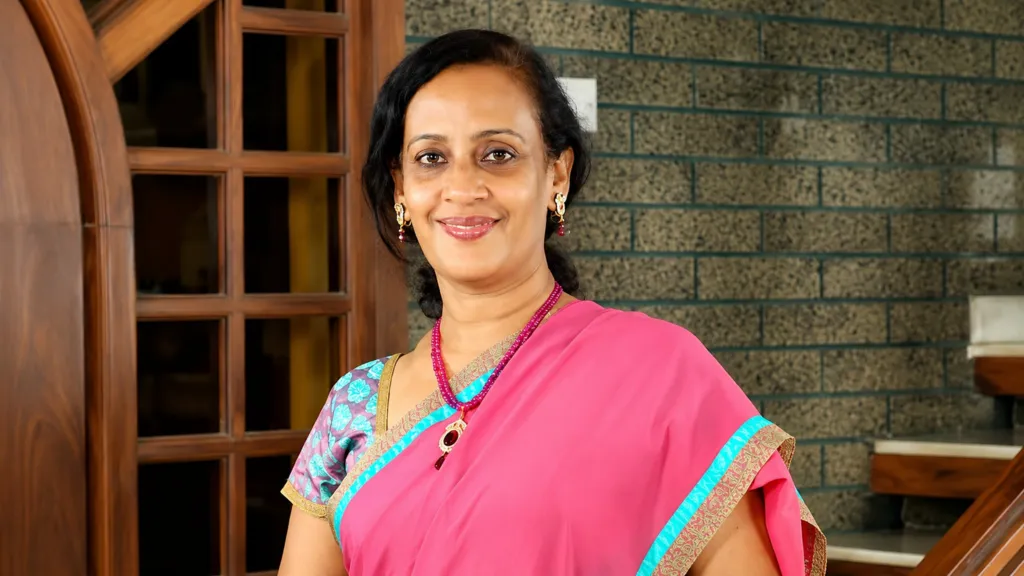
Remya Jose was 14 when she designed a washing machine that runs on pedal power instead of electricity. She had just finished her board exams at school in Kerala's Malappuram district, and the family laundry, which she and her twin sister washed by hand, was eating into her study time. The machine won her a student award at the National Innovation Foundation's third national awards, and NIF filed a patent for it in August 2003.
She comes from Kizhattoor panchayat in Malappuram. Her father is a high school teacher and her mother the headmistress of an upper primary school, according to NIF's record of the innovation. In her Class 10 year, her mother fell ill and her father was undergoing medical treatment, The Better India reported. School meant changing three buses each way, about two hours in each direction. With no washing machine at home, the laundry fell to her and her twin sister, Soumya.
How Remya Jose designed the pedal washing machine
She studied how an electric washing machine works and replaced its electrical power with pedal power, NIF's write-up says. She drew the basic diagram herself. Her father bought the materials she listed and took the drawing to a nearby automobile workshop, where workers agreed to build it in their free hours for a fee. She explained the construction to the mechanic herself.
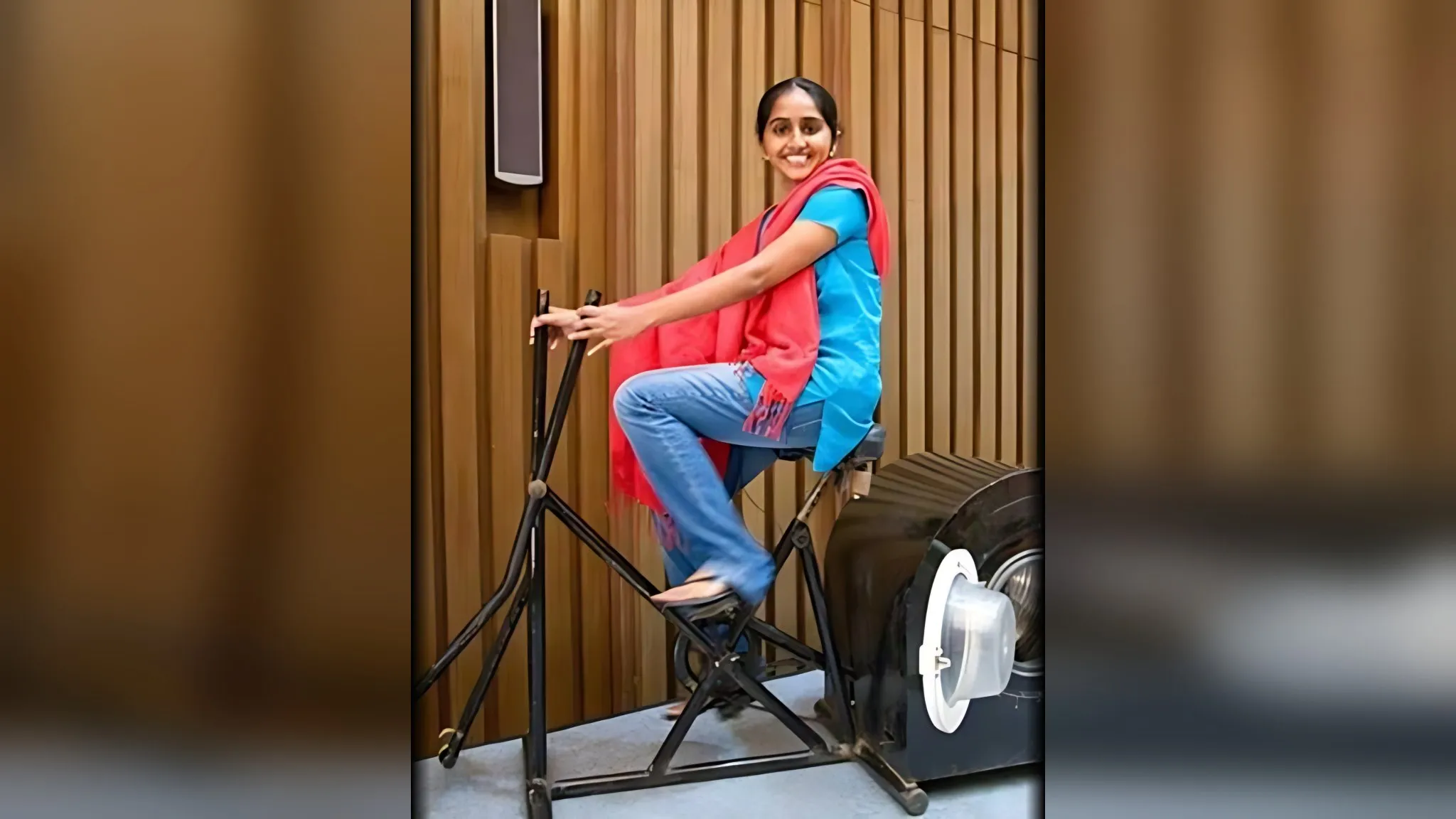
The result looks like an exercise cycle attached to a box. An aluminium cabin holds a horizontal cylinder made of iron wire mesh, and the cylinder is linked to a cycle chain, pedals and a seat. Clothes go into the cylinder, the cabin is filled with water and washing powder, and the clothes soak for at least 10 minutes. Three to four minutes of pedalling spins the cylinder and cleans them. The soapy water is drained, fresh water goes in, and the process repeats. Pedalling also spins the clothes like a centrifuge, leaving them about 80% dry.
The machine cost about Rs 2,000 to make. Because it needs no power, a cut in supply does not force anyone to restart a wash, which matters in villages where electricity is scarce or costly. It also doubles as exercise equipment and can be moved around.
A patent and a national award
NIF filed the patent application, number 643/CHE/2003, on 7 August 2003, and its online record lists patent number 207634 as granted. The machine won the first student award at NIF's Third National Technological Innovations and Traditional Knowledge Awards, after it was scouted by T J James. A profile by INK Talks says she received the national award from then President APJ Abdul Kalam.
Attention followed. Two regional newspapers, Madhyamam and Malayala Manorama, interviewed her, her local church held a ceremony at which the bishop gave her a trophy, and neighbours started calling her a little scientist, NIF's write-up says. An engineer from Delhi offered to help improve the machine. In 2010, the development magazine Footsteps featured her design and noted that NIF had since developed it further.
She had built other things before. Her school science fair entries included a model of a mobile phone tower and a heat-retaining casserole that works like a thermal cooker, and for her Class 12 practicals she made a model refrigerator meant to keep fruit and vegetables fresh for a week.
What came next
When NIF wrote about her at 17, she had topped her class in Class 12 with more than 90% and was attending coaching classes in Thrissur, her first time living away from home. She wanted to become a doctor and do medical research. She did not plan to keep refining the washing machine herself, but said she would welcome others improving it. Her advice to other young inventors, as NIF recorded it: "Whatever you have in mind, try it."
Later profiles, including INK's, described her as working at the National Innovation Foundation in Ahmedabad, with several more innovations to her name. FoundersFeed could not confirm what she does today.
For more grassroots inventors who built machines to solve problems close to home, read our stories on Dharambir Kamboj and Arunachalam Muruganantham.
More from FoundersFeed: grassroots innovators and founders from Kerala.
This story is based on records published by the National Innovation Foundation, interviews Remya Jose gave to the press and news reports, linked above. Most of these reports are several years old, and FoundersFeed could not confirm her present work. FoundersFeed did not interview her for this story. For corrections, write to editorial@foundersfeed.in.
Sources
Questions readers ask
Who invented the pedal-powered washing machine in Kerala?
Remya Jose from Kizhattoor in Malappuram district designed it at 14. A local automobile workshop built it from her drawing.
How does Remya Jose's washing machine work?
Clothes go into a wire mesh cylinder inside an aluminium cabin with water and washing powder, soak for 10 minutes and are washed by three to four minutes of pedalling. Spinning leaves them about 80% dry.
How much did the washing-cum-exercise machine cost?
About Rs 2,000, according to the National Innovation Foundation.
Is Remya Jose's washing machine patented?
NIF filed a patent application, number 643/CHE/2003, on 7 August 2003, and its record lists patent number 207634 as granted.
What award did Remya Jose win?
The machine won the first student award at NIF's Third National Technological Innovations and Traditional Knowledge Awards. INK Talks says she received the award from then President APJ Abdul Kalam.

Written by
Sunny PanwarSunny Panwar is Correspondent, Bharat and States, at FoundersFeed. He reports from the ground on state startup policy, founder incentive schemes, incubation hubs and the events where India's founders and investors meet.