The story in 30 seconds
- Four friends from MES College of Engineering, Kuttippuram, built a powered exoskeleton as students.
- After a manhole accident in Kerala, they turned to sewer cleaning and started Genrobotics in 2017.
- Bandicoot, their remote-controlled robot of about 50 kg, was launched in Kerala in 2018.
- Backers include Unicorn India Ventures, Anand Mahindra and Zoho.
- In January 2025 the company said about 300 Bandicoots were working in 19 states and three Union Territories.
In this story5 sections
In early 2018, in the run-up to the Attukal Pongala festival in Thiruvananthapuram, a robot that looked a bit like a giant spider cleared its first sewer. It was called Bandicoot, and four young engineers had built it so that people would not have to climb into manholes to do that work, The Week reported at the time.
Their company, Genrobotics, now sells the robot across much of India. With World Toilet Day on 19 November, here is how a college team's machine ended up in sewers from Kerala to the Maha Kumbh.
From an exoskeleton to a sewer robot
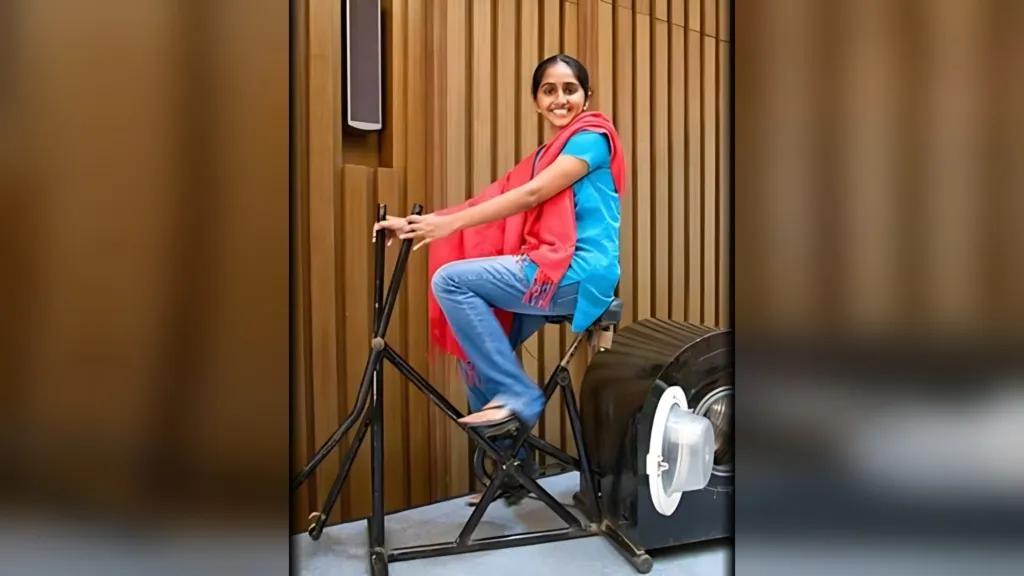
Vimal Govind MK, Arun George, Nikhil NP and Rashid K met at MES College of Engineering in Kuttippuram, in Malappuram district. As students they built a powered exoskeleton, a wearable machine meant to help people lift heavy loads, The Week reported in 2025.
The turn to sewers came after a manhole-cleaning accident in Kerala. Chief Minister Pinarayi Vijayan wrote to the Kerala Water Authority and the IT department asking for a way to end manual scavenging, and an IAS officer approached the four friends, who by then had corporate jobs. "We decided to quit our corporate jobs and design a robot to clean sewers," Nikhil told Outlook Business.
The first proof of concept was a wooden prototype paid for by the Kerala Startup Mission, YourStory reported. A reworked version, controlled by a person from outside the manhole, was ready by October 2017, and the Kerala Water Authority agreed to fund it. Genrobotics was registered that year.
How Bandicoot works
Bandicoot weighs about 50 kg. An operator stands at the top of the manhole and drives it remotely while its arms go down, spread out and scoop up the sludge that blocks the sewer, Govind explained to Analytics India Magazine. Cameras show the operator what is happening below. A job that takes workers around three hours can be done by the robot in 20 to 45 minutes, according to Outlook Business.
The founders did not want to put sanitation workers out of work, so the company trains them to run the robots. By January 2025, more than 1,000 workers had been retrained as robot operators, co-founder Rashid told YourStory.
From one city to many
The Kerala Water Authority became Bandicoot's first client, and other states followed. Unicorn India Ventures invested in 2018. In 2020 Anand Mahindra, who had tweeted about the robot, put in ₹2.5 crore, Deccan Chronicle reported. Zoho later invested ₹20 crore to help the company scale up manufacturing, Entrackr reported.
In January 2025 the company said about 300 Bandicoots were working in 19 states and three Union Territories and had cleaned more than 6,000 manholes. Three were sent to the Maha Kumbh in Prayagraj that year, ThePrint reported. By August 2025, Govind told The Week, Genrobotics' robots were in use in 22 states and four countries.
Policy has helped. In her 2023 Budget speech, Finance Minister Nirmala Sitharaman said the government wanted to fully mechanise sewer cleaning in Indian cities, Reuters reported. Gujarat has since put a vehicle-mounted version, Bandicoot Mobility+, to work in Ahmedabad, Gandhinagar and Surat, The Machine Maker reported.
Beyond the manhole
The team has also gone back to where it started, with machines that help people move. G-Gaiter, a robot that helps patients relearn how to walk, is in use in private and government hospitals, according to The Week.
Manual scavenging still kills someone in India every five days, Govind told The Week. A robot does not end that on its own. Cities have to buy it, use it and stop sending people down. For the workers who now run a Bandicoot from the street, though, the job is already a different one.
More from FoundersFeed: patents and inventions, India's innovators and founders from Kerala.
This story is based on published interviews with the Genrobotics founders and news reports, linked above. FoundersFeed did not interview the founders for this story. Deployment figures are the company's own, as reported on the dates given. For corrections, write to editorial@foundersfeed.in.
Sources
- The Week: how Genrobotics uses robotics to change lives
- Outlook Business: Super Scavenger
- YourStory: the Kerala startup using robots to end manual scavenging
- ThePrint: from Mohali to the Maha Kumbh
- Deccan Chronicle: Anand Mahindra invests in Genrobotics
- Entrackr: Zoho invests in Genrobotics
- Analytics India Magazine: how Bandicoot cleans
Questions readers ask
What is Genrobotics?
Genrobotics is a Thiruvananthapuram robotics company that makes Bandicoot, a robot that cleans manholes and sewers so that workers do not have to go inside.
Who founded Genrobotics?
Vimal Govind MK, Arun George, Nikhil NP and Rashid K, four friends from MES College of Engineering, Kuttippuram. They started the company in 2017.
How does the Bandicoot robot work?
Bandicoot is a remote-controlled robot of about 50 kg. An operator runs it from outside while its arms reach into the manhole and scoop out the sludge.
Where is Bandicoot used?
The company said in January 2025 that about 300 Bandicoots were working in 19 states and three Union Territories. Kerala Water Authority was its first client.
Who has invested in Genrobotics?
Investors include Unicorn India Ventures, Anand Mahindra, Zoho and Rajan Anandan.

Written by
Harshvardhan KothariHarshvardhan Kothari is Editor, Innovators and Deep Tech, at FoundersFeed. He covers India's AI and deep-tech builders, the research behind them and the rules that shape the sector, including MSME law and cross-border trade policy. He also tracks India's IPO pipeline.