The story in 30 seconds
- Sheela Kochouseph started V-Star in Kochi in 1995 with Rs 20 lakh lent by her husband, Kochouseph Chittilappilly.
- It began with ethnic dresses for Malayali women and moved into innerwear about four years later.
- Bras sold as Vanessa drove early growth; the lines were later brought under the V-Star name.
- Many of its units are housed in convents and charitable institutions and employ over 1,000 women.
- In May 2026 she gave the keynote at the Kerala launch of TiE Women in Kochi.
In this story7 sections
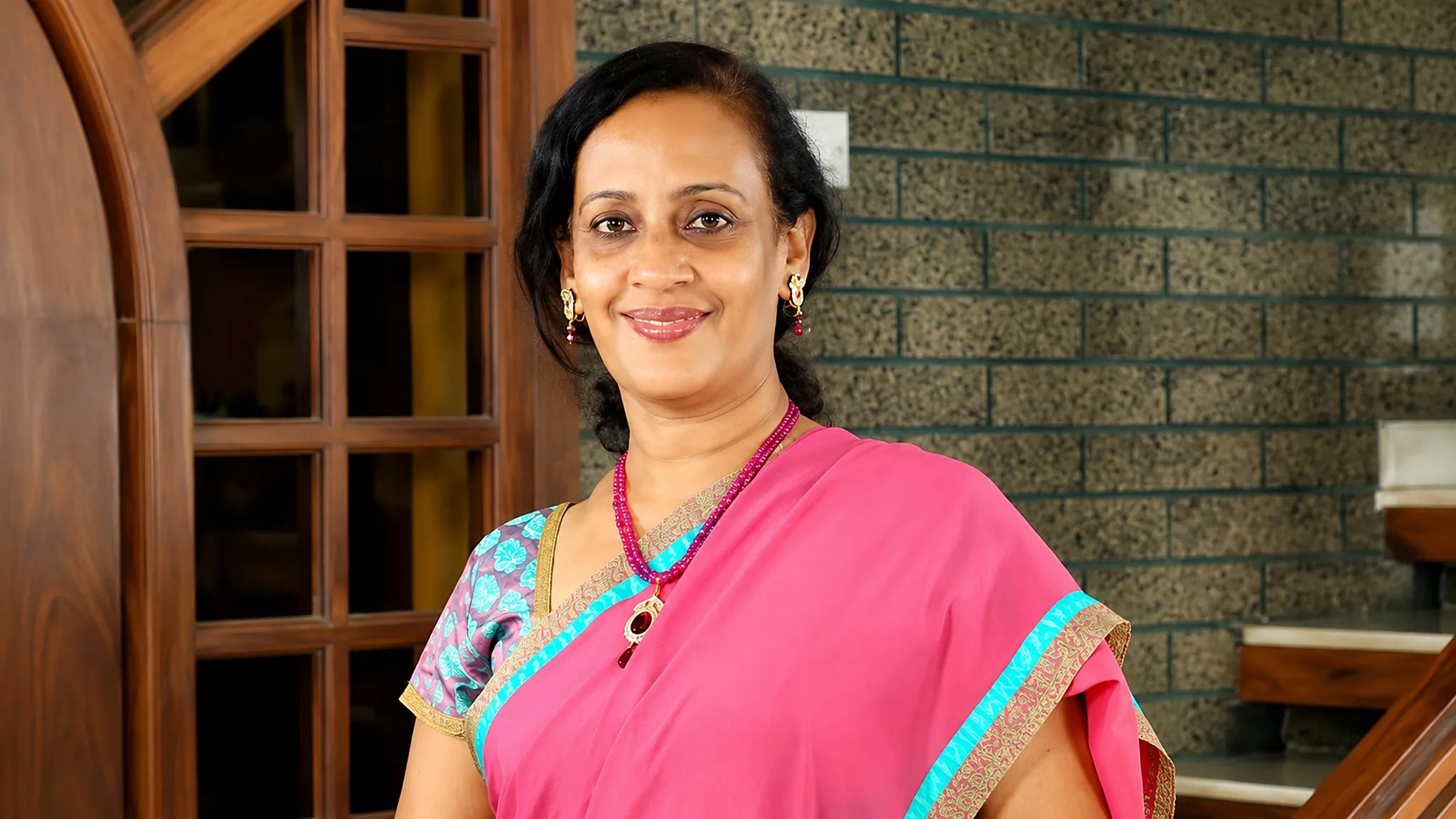
In May 2026, Sheela Kochouseph gave the keynote address in Kochi at the Kerala launch of TiE Women, the women's wing of TiE Kerala. Her message was that people should grow by dreaming big, Kerala Kaumudi reported. In March 2025, The New Indian Express named her among 15 women honoured at its 32nd Devi Awards in Kochi. She started V-Star Creations in 1995 with Rs 20 lakh lent by her husband. The understanding was that no more money would come from the family, Outlook reported.
A hockey player from a family of 12
Sheela Kochouseph is the second youngest of 12 children from a small town, and she helped support her mother after her father died when she was a teenager, Outlook reported. She also played hockey at university level.
She married Kochouseph Chittilappilly about four decades before a 2016 interview with The Dollar Business, at a time when he was trying to make a mark in electrical equipment manufacturing. He went on to found V-Guard Industries.
From ethnic wear to innerwear
V-Star began as a boutique selling readymade women's garments, Outlook reported. The first team had 10 people, including a pattern maker, a cutter and a merchandiser, working out of an unfurnished office, and the first products were readymade and ready-to-stitch ethnic dresses, The South First reported. Her aim, she told the site, was to give Malayali women "a broader spectrum of dressing choices". Retailers wanted flashier designs than her understated ones.
She felt the garments on the market were poor in quality and fit, and wanted well-fitting clothes with the feel of imported fabric, made from Indian raw materials, The Dollar Business reported. About four years after the launch she moved into innerwear, starting with cotton bras, The South First reported. Good-quality lingerie was scarce in South India then, and some in Kerala looked down on the trade as "a dirty business", Entrepreneur India reported.
Vanessa, then V-Star
Bras sold under the Vanessa name drove much of the early growth, and a men's innerwear line followed. Both were later brought under the V-Star name, Outlook reported. The company took four to five years to turn a profit, according to Entrepreneur India and Outlook.
Some critics called the brand's lingerie advertising vulgar. Asked how she deals with criticism, she told Outlook: "I just move forward."
Standing up to nokku kooli
In January 2011, V-Star made national headlines when it took a public stand against nokku kooli, the practice of paying trade unions so that work goes on without trouble, The Dollar Business reported. In the early years she had also faced labour delays and competition from garments brought in from Mumbai and Delhi, the magazine reported.
Units in convents, women on the lines
V-Star follows a model used by V-Guard. Many of its manufacturing units are housed in charitable institutions and convents, where nuns look after the women's work and welfare, Outlook reported in 2020. At the time it had 16 units in Kerala employing nearly 1,200 women from poor backgrounds, making more than 1.5 million products a month. The company supplies materials and training and contributes to the women's ESI and provident fund. Turnover in 2018-19 was Rs 102 crore.
Its first exclusive brand outlet opened in Kochi in 2014, Retail4Growth reported. In 2016 about 20% of its products were exported, mainly to the Gulf, The Dollar Business reported. By 2023 the company had over 200 direct employees and about 1,000 indirect workers, with 35 distributors and about 3,500 dealers across South India, The South First reported.
What she wants next
V-Star's website lists her as founder chairperson and managing director. In 2017 she co-founded the Women Entrepreneur Network, and in 2023 she said she wanted V-Star to become a pan-India brand within five to six years, The South First reported.
Her reason for doing the work is plain. "Every woman should be financially independent," she told The Dollar Business.
For more women founders, read our stories on Richa Kar of Zivame and Vineeta Singh of SUGAR Cosmetics.
More from FoundersFeed: women founders and founders from Kerala.
This story is based on interviews Sheela Kochouseph has given to the press, company filings and statements, and news reports, linked above. FoundersFeed did not interview Sheela Kochouseph for this story. For corrections, write to editorial@foundersfeed.in.
Sources
- Kerala Kaumudi: TiE Women Kerala launch (2026, in Malayalam)
- The New Indian Express: Devis radiate glow of feminine energy (2025)
- Outlook: A lingering feeling of success (2020)
- The Dollar Business: Making her presence felt (2016)
- The South First: A Star is Born (2023)
- Entrepreneur India: Undying passion for the garment business (2017)
- Retail4Growth: V-Star riding high on customer loyalty and trust (2019)
- V-Star Creations: About us
Questions readers ask
Who founded V-Star?
Sheela Kochouseph, in Kochi in 1995. She is the company's founder chairperson and managing director.
How did Sheela Kochouseph start V-Star?
With Rs 20 lakh lent by her husband, Kochouseph Chittilappilly, on the understanding that no more family money would follow. She began with ethnic dresses and moved into innerwear about four years later.
What does V-Star make?
Innerwear and lifestyle wear for men, women and children, including bras, shapewear, leggings, nightwear and socks.
Who works in V-Star's units?
Mostly women. In 2020 its 16 units in Kerala employed nearly 1,200 women from poor backgrounds, many in units housed in convents and charitable institutions.
What happened at V-Star in 2011?
In January 2011 the company took a public stand against nokku kooli, the practice of paying trade unions so that work goes on without trouble, and the stand made national news.

Written by
Dr. Mayank RajDr. Mayank Raj is Editor-in-Chief of FoundersFeed. He has spent more than eight years building India's startup incubation infrastructure, helping establish one of North India's largest incubation centres and mentoring more than 150 startups from first idea to first cheque. He now leads a national programme bringing innovation clubs and incubation centres to schools and colleges across India, and has been recognised with a national leadership award for that work.