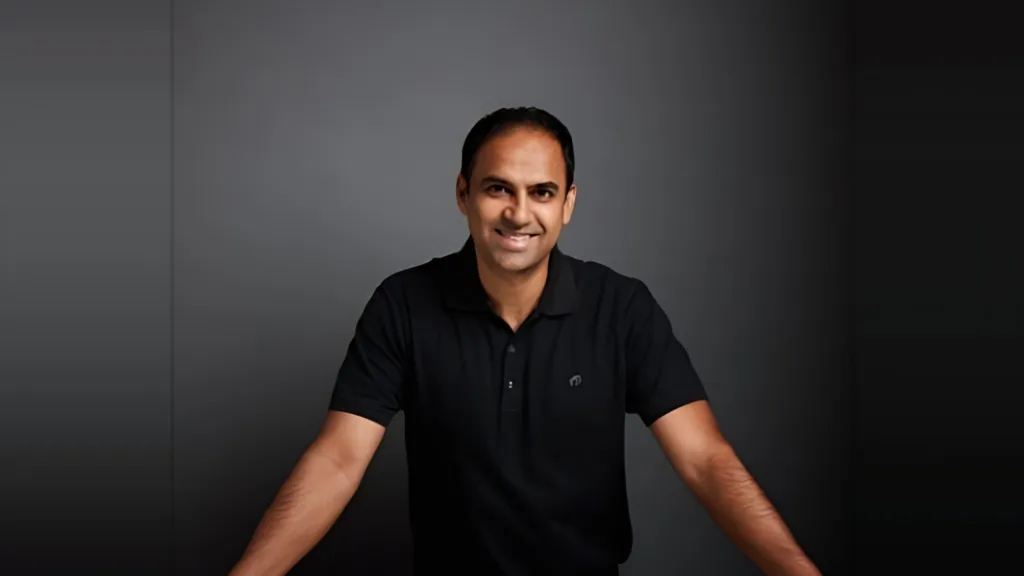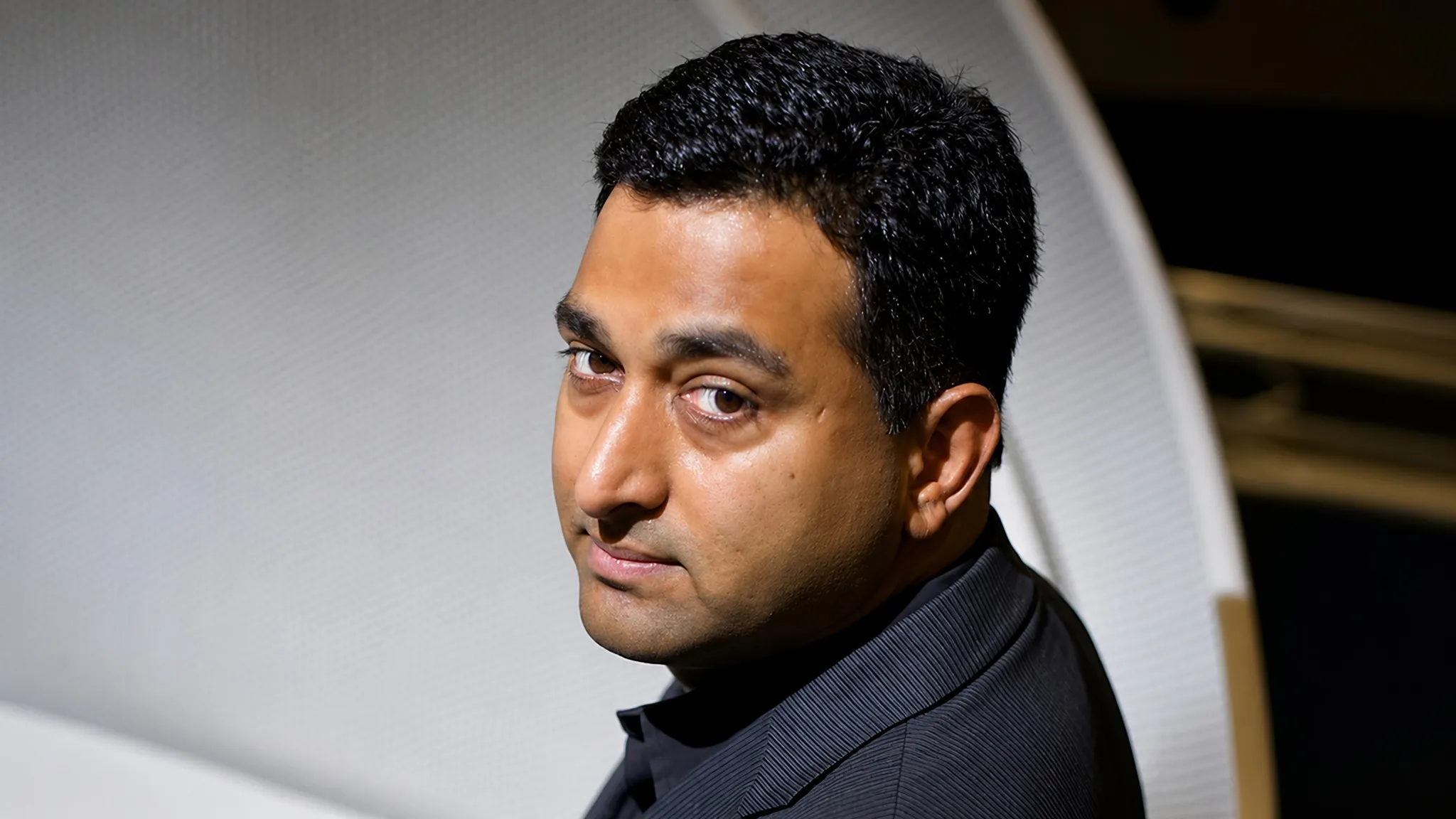
The story in 30 seconds
- Ramesh Raskar was born in Nashik in 1970 and studied engineering in Pune.
- He earned a PhD at UNC Chapel Hill and produced more than 40 patents at MERL.
- Since 2008 he has headed the Camera Culture group at the MIT Media Lab.
- His transient imaging work can look around corners; he won the $500,000 Lemelson-MIT Prize in 2016.
- In 2020 his team built Safe Paths, privacy-first contact-tracing tools that led to PathCheck.
In this story5 sections
Ramesh Raskar is known for imaging at a trillion frames per second and for cameras that can look around corners. Born in Nashik in 1970, according to the Lemelson-MIT programme, he heads the Camera Culture research group at the MIT Media Lab. He had more than 75 patents when the programme gave him its $500,000 Lemelson-MIT Prize in 2016, its award page says.
Ramesh Raskar from Nashik to Pune
Nashik is the city where the Kumbh Mela is held every 12 years. Raskar came first among hundreds of thousands of students in a statewide college entrance exam, the Lemelson-MIT programme says. He studied at the College of Engineering in Pune, where the special effects in Jurassic Park drew him to computer graphics.
He went on to a PhD at the University of North Carolina at Chapel Hill. His work there on projector-based 3D graphics is credited with starting the field of spatial augmented reality, according to the programme.
Ramesh Raskar and the patent pipeline
At Mitsubishi Electric Research Laboratories (MERL) he kept finding new uses for cameras and projectors and produced more than 40 patents, the Lemelson-MIT programme says. In 2003 he won the Global Indus Technovator Award, set up at MIT to recognise the top 20 Indian technology innovators, and in 2004 Technology Review named him to its TR100 list of innovators under 35, according to his Camera Culture profile.
He moved to the MIT Media Lab in 2008 to head its Camera Culture group, the Media Lab says. The group builds imaging devices that analyse how light travels, a field known as computational imaging.
Seeing around corners
His best-known result is transient imaging, which the Lemelson-MIT programme describes as a way to look around a corner. He presented the work in a 2012 TED talk titled "Imaging at a trillion frames per second". Scroll called the technique femto-photography when it reported his prize in 2016, when he was 46 and held 75 patents.
The research has turned into companies. The Lemelson-MIT programme lists ventures he co-founded around a camera that works at the speed of light, mobile-technology vision diagnostics, transient imaging, a next-generation CAT-scan machine and 3D interaction displays. Financial data site Zonebourse lists his roles at EyeNetra, LensBricks and PathCheck, and shows him as an independent director of KPIT since 29 January 2025.
He has also worked on special research projects at Google [X] and Facebook, according to his EmTech AI 2025 speaker profile.
Kumbhathon and Safe Paths
Closer to home, he conceived Kumbhathon, a year-round effort that used the Kumbh Mela in Nashik as an incubator for solving problems in developing regions. It grew into Emerging Worlds, a co-innovation platform with three hubs in India, the Lemelson-MIT programme says.
When Covid-19 spread in 2020, his team built Safe Paths, open-source contact-tracing tools that let users keep their location history on their own phones, MIT News reported. "We strongly believe that all users should be in control of their own data," Raskar said. The project, started in February 2020 and later renamed PathCheck Foundation, drew about 3,500 volunteers, according to PathCheck.
He now also leads work at the Media Lab on networked AI agents, which his Media Lab profile describes as building the "Internet of AI Agents".
Ramesh Raskar left Nashik with a top exam rank and a fascination with film effects. The Indian inventor now runs a lab that keeps turning imaging research into patents and companies.
For more founder stories, read our pieces on the Jaipur Foot and Genrobotics.
More from FoundersFeed: inventors and patent holders and founders from Maharashtra.
This story is based on the Lemelson-MIT programme, MIT pages, company data and news reports, linked above. FoundersFeed did not interview Ramesh Raskar for this story. Patent counts are as reported at the time. For corrections, write to editorial@foundersfeed.in.
Sources
- Lemelson-MIT: award winner page
- Lemelson-MIT: inventor resource page
- Scroll: Lemelson-MIT Prize report (2016)
- MIT News: Safe Paths contact tracing (2020)
- PathCheck: from COVID Safe Paths to PathCheck Foundation
- Zonebourse: insider profile
- EmTech AI 2025: speaker profile
- MIT Media Lab: people page
- MIT Media Lab: profile overview
- Camera Culture: people page
Questions readers ask
Who is Ramesh Raskar?
A Nashik-born inventor and associate professor at the MIT Media Lab, where he heads the Camera Culture research group.
How many patents does Ramesh Raskar hold?
More than 75 at the time of his 2016 Lemelson-MIT Prize, according to the programme; more than 40 came from his years at MERL.
What is he known for?
Transient imaging, also called femto-photography, which can look around corners, and imaging at a trillion frames per second.
Which companies is he linked to?
Zonebourse lists his roles at EyeNetra, LensBricks and PathCheck.
What was Safe Paths?
Open-source Covid-19 contact-tracing tools built by his team in 2020 that kept users' location history on their own phones.

Written by
Harshvardhan KothariHarshvardhan Kothari is Editor, Innovators and Deep Tech, at FoundersFeed. He covers India's AI and deep-tech builders, the research behind them and the rules that shape the sector, including MSME law and cross-border trade policy. He also tracks India's IPO pipeline.