The story in 30 seconds
- Yashraj Khaitan started Gram Power while studying at UC Berkeley and built solar microgrids in Rajasthan.
- Its prepaid smart meters let village entrepreneurs sell power and could detect theft.
- A 2018 case study he co-wrote found low take-up, so the company turned to grid metering.
- Renamed Polaris after I Squared Capital took control in 2023, it crossed 1 million smart meters in 2026.
- It reported a net loss of about Rs 40 crore in FY25, and I Squared is running a sale process.
In this story5 sections
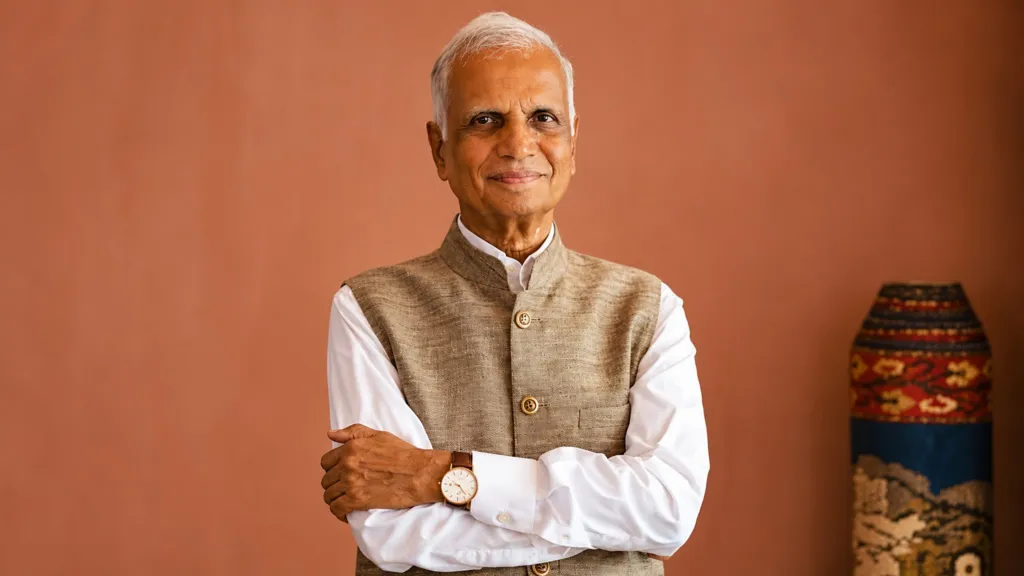
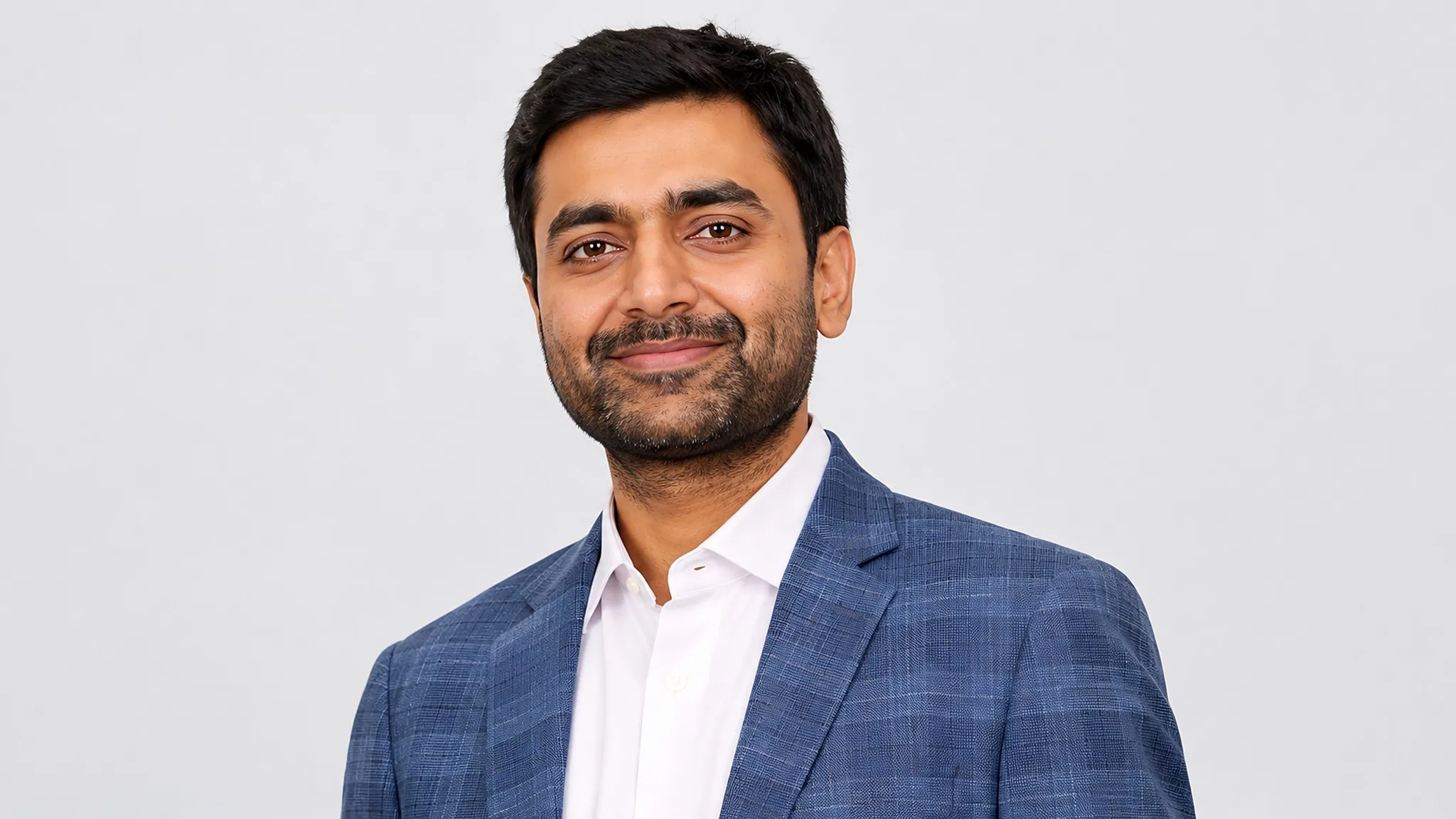
Yashraj Khaitan was 22 when India's power grid collapsed in July 2012, a report from the time noted. In a Rajasthan village where he and a Berkeley classmate had built a solar microgrid a few weeks earlier, the 15 connected homes kept their lights on, Berkeley Engineering reported. Their company, Gram Power, now trades as Polaris Smart Metering and has deployed more than a million smart meters.
How Yashraj Khaitan started Gram Power
Khaitan, who is from Jaipur, studied electrical engineering and computer science at the University of California, Berkeley. In 2010 he began working with computer science professor Eric Brewer, and in 2011 Gram Power won first place in its category at the Big Ideas @ Berkeley contest, which brought seed money, according to the university's Blum Center.
He had planned to go back for a master's and a PhD, but stayed in India to run the company, Berkeley Engineering reported. The idea came from prepaid mobile phones, Down To Earth reported. A local entrepreneur bought power credit in bulk and recharged each home's meter for a 10% commission, and the meters could detect a hooked wire and shut that line. Gram Power held the rights to the meter.
The microgrid years and the pivot
The business was harder than the technology. In a 2018 case study Khaitan co-wrote with Berkeley economists for the International Growth Centre, Gram Power said it had planned up to 40 microgrids, visited 176 villages and built 10. Many villagers expected the government grid to arrive soon, and theft ate into revenue even though the meters could spot it. The company suspended its microgrid business and turned to meters for grid-connected customers. His co-founder Jacob Dickinson left in 2016, YourStory reported.
Yashraj Khaitan and the smart meter rollout
In 2018 the South Bihar power distribution company appointed Gram Power to run advanced metering, and it later won a 10-year contract for metering and distribution in Ladakh and Kargil, according to the company. Losses there were "over 40 per cent before we started," the Gram Power founder told ANI in November 2025, adding that Polaris now bills 97 to 98% of consumers every month.
In February 2023 I Squared Capital invested $100 million for a controlling stake and the company took the Polaris name, Business Standard reported. It had supplied close to 1 lakh smart meters by then. By February 2026 it had deployed more than a million under the government's RDSS scheme and planned to double yearly capacity to 10 million meters, Energetica India reported. In April, British International Investment put Rs 710 crore into a Polaris subsidiary rolling out 2.2 million meters in West Bengal, Energetica reported.
Losses, investors and a sale
Scale has not yet brought profit. For FY25, Polaris Smart Metering reported operating income of about Rs 20 crore and a net loss of about Rs 40 crore, according to Venture Intelligence. In July 2026 I Squared was exploring an exit that could value the company at around Rs 1,500 crore, Outlook Business reported, citing The Economic Times. The rest is held by Samunnati Singapore, which Khaitan fully owns. In September Infralogic reported that five bidders, including JSW Energy, GMR, Actis and Waaree Energies, had been shortlisted, with binding bids due around mid-October.
Whoever ends up in control, the idea Yashraj Khaitan tested in a Rajasthan village, a prepaid meter that can cut off theft, is now national policy: RDSS aims to install 250 million prepaid smart meters by 2027, Outlook Business reported.
For more founder stories, read our pieces on Hitesh Doshi of Waaree Energies and Vidyut Mohan of Takachar.
More from FoundersFeed: inventors and patent holders and founders from Rajasthan.
This story is based on interviews Yashraj Khaitan has given to the press, company statements, a case study he co-wrote and news reports, linked above. FoundersFeed did not interview Yashraj Khaitan for this story. The FY25 figures are as reported by Venture Intelligence; it is not clear whether they cover every subsidiary. The sale process was ongoing as of mid-November 2026. For corrections, write to editorial@foundersfeed.in.
Sources
- Berkeley Engineering: Prepaid power (2012)
- India Environment Portal: Blackout backup, city boy's smart grids may hold key (2012)
- Blum Center, UC Berkeley: Gram Power
- Down To Earth: Budgeting power
- International Growth Centre: Gram Power microgrids case study (2018)
- YourStory: How Jaipur-based Gram Power is using smart grid technology (2021)
- Polaris Smart Metering: company website
- Lokmat Times (ANI): Polaris executing 10 million smart meters (2025)
- Business Standard: Polaris raises $100 million from I Squared Capital (2023)
- Energetica India: Polaris crosses one million smart meters (2026)
- Energetica India: Polaris secures Rs 710 crore from BII (2026)
- Venture Intelligence: Adani, Actis, others in race to acquire Polaris (2026)
- Outlook Business: Polaris sale moves ahead (2026)
- Infralogic: I Squared shortlists bidders for Polaris (2026)
Questions readers ask
Who is Yashraj Khaitan?
He is the founder and CEO of Polaris Smart Metering, formerly Gram Power, a Jaipur smart meter company he started out of UC Berkeley.
What did Gram Power first build?
Solar microgrids with prepaid smart meters for Rajasthan villages that had little or no grid power.
Why did Gram Power leave microgrids?
Its own case study found low take-up and widespread theft, so it turned to meters for grid-connected customers.
Who owns Polaris Smart Metering?
I Squared Capital holds a majority stake; the rest is held by Samunnati Singapore, which Khaitan fully owns.
Is Polaris profitable?
Venture Intelligence reported FY25 operating income of about Rs 20 crore and a net loss of about Rs 40 crore.

Written by
Harshvardhan KothariHarshvardhan Kothari is Editor, Innovators and Deep Tech, at FoundersFeed. He covers India's AI and deep-tech builders, the research behind them and the rules that shape the sector, including MSME law and cross-border trade policy. He also tracks India's IPO pipeline.