The story in 30 seconds
- Rajendra Singh quit a government job in Jaipur in 1985, at 28, to work in Alwar's villages.
- Villagers showed him johads, traditional earthen dams, and he helped them repair and build them.
- By 2001 there were about 4,500 working johads, and five dry rivers, including the Arvari, flowed all year.
- He won the Ramon Magsaysay Award in 2001 for community leadership.
- In 2015 he received the Stockholm Water Prize, which carries $150,000.
In this story4 sections
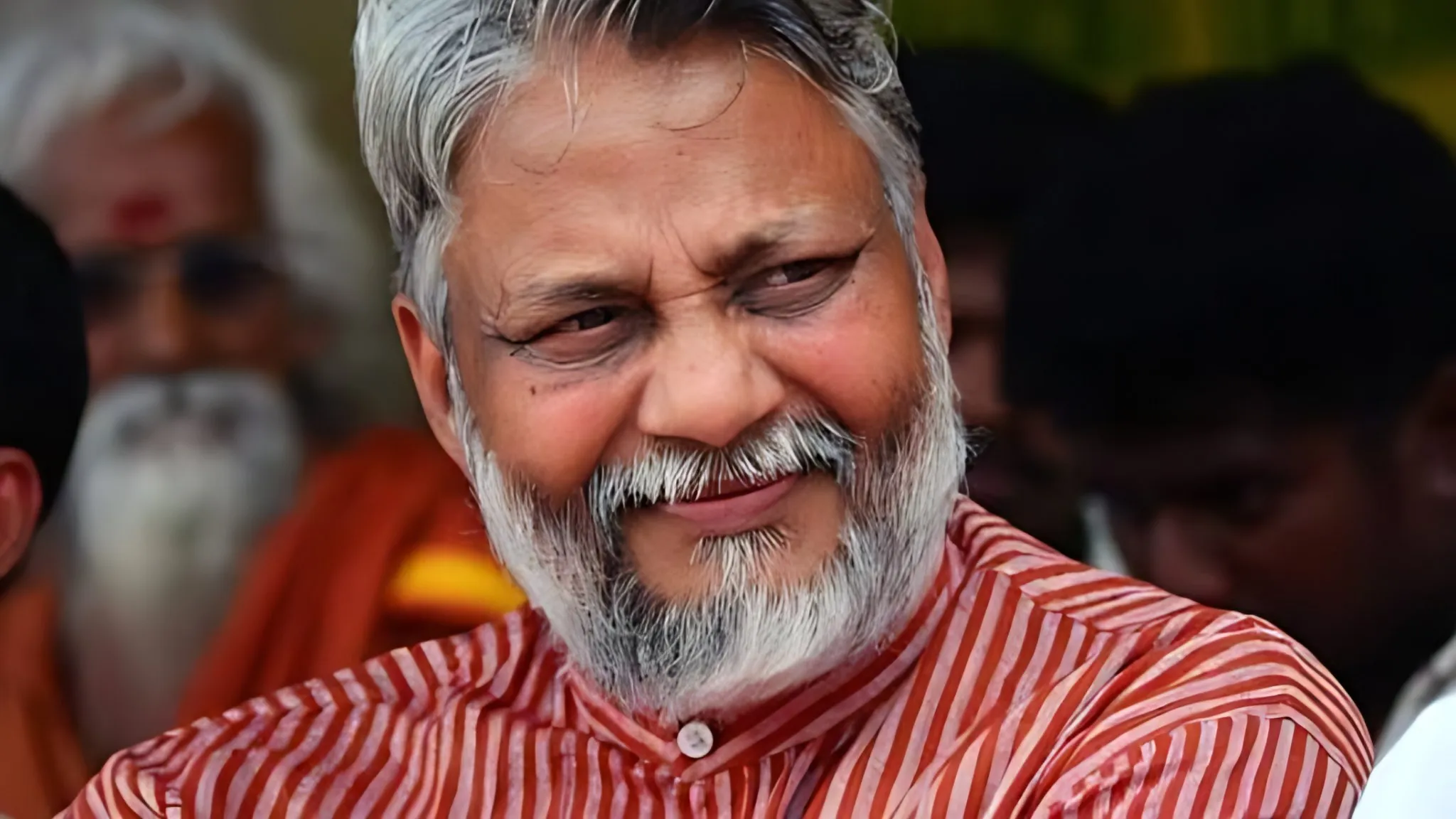
In 1985 Rajendra Singh, then a 28-year-old government employee in Jaipur, quit his job and travelled with four companions to a village at the end of the line in Alwar district, the Ramon Magsaysay Award Foundation recorded. He had trained in Ayurvedic medicine and meant to set up clinics. Villagers told him water was the bigger need, and the work that followed won him the 2001 Magsaysay Award and the 2015 Stockholm Water Prize.
Rajendra Singh and the johads of Alwar
He was "fed up with just sending statistics to officials," he told Quartz. Alwar had been declared a dark zone, meaning an area with severe water shortage, and men were leaving the villages to find work. Villagers showed him johads, the crescent-shaped earthen dams that catch monsoon runoff and let it soak into the ground. Many had fallen out of use.
On the advice of a local sage, he began organising villagers to repair and deepen the old johads, the Magsaysay citation says. The first success came in Gopalpura, and nearby villages asked for help, Quartz reported. Each village had to commit to the work and pledge to meet half the cost, and the effort spread from one village to the next.
He did this through Tarun Bharat Sangh, a voluntary group set up in Jaipur in 1975. He joined it in 1980 as general secretary, and it moved to Bheekampura in Alwar district in 1985, the organisation says. In 1996, it says, the Thanagazi block went from a dark zone to a white zone in terms of water.
How Rajendra Singh helped dry rivers flow again
By 2001 there were about 4,500 working johads across Alwar and ten neighbouring districts, according to the Magsaysay citation, and five rivers that had gone dry flowed all year, including the Arvari. In 1996 villagers had found the Arvari flowing at the peak of summer. Cultivated land had grown about fivefold, and farm incomes were rising. Between 1985 and 2007 about 8,600 structures were built in more than 1,000 villages, Quartz reported. Forest cover increased, and antelope and leopards began to return, according to SIWI.
Villages along the Arvari formed a river parliament, the Arvari Sansad, which decides how the river's water is shared and priced. Tarun Bharat Sangh and others also fought a long Supreme Court campaign against mines and quarries that were damaging the Sariska forests, and hundreds were closed, the citation says.
A prize for water work
In March 2015 he was named the Stockholm Water Prize laureate, an award that carries $150,000, SIWI announced. The prize committee said water problems cannot be solved by science or technology alone and are really problems of governance, leadership and social resilience. It credited him with building villagers' own capacity to manage water through participation, the empowerment of women and traditional knowledge.
King Carl XVI Gustaf of Sweden presented the prize in August 2015. Accepting it, he promised to dedicate the rest of his life to water conservation, SIWI reported. In 2008 The Guardian had named him one of 50 people who could save the planet.
Rajendra Singh has since led World Water Walks that Tarun Bharat Sangh says have reached more than 100 countries.
For more founders working on climate and resources, read our stories on Vidyut Mohan of Takachar and Hitesh Doshi of Waaree Energies.
More from FoundersFeed: climate founders and founders from Rajasthan.
This story is based on the Ramon Magsaysay Award citation, Stockholm International Water Institute statements, Tarun Bharat Sangh's own account and news reports, linked above. Figures on johads and villages differ by source and year. FoundersFeed did not interview Rajendra Singh for this story. For corrections, write to editorial@foundersfeed.in.
Sources
Questions readers ask
Who is Rajendra Singh?
He is a water conservationist known as the Waterman of India, who has worked with Tarun Bharat Sangh to revive johads and rivers in Rajasthan since 1985.
What is a johad?
A johad is a traditional crescent-shaped earthen dam that catches monsoon runoff and lets it soak into the ground.
Which river did Rajendra Singh's work revive?
The Arvari in Alwar is the best known; the Magsaysay citation says five once-dry rivers began to flow all year.
What awards has Rajendra Singh won?
He won the Ramon Magsaysay Award in 2001 and the Stockholm Water Prize in 2015.
What is the Arvari Sansad?
It is a river parliament formed by villages along the Arvari to decide how the river's water is shared and priced.

Written by
Sunny PanwarSunny Panwar is Correspondent, Bharat and States, at FoundersFeed. He reports from the ground on state startup policy, founder incentive schemes, incubation hubs and the events where India's founders and investors meet.