The story in 30 seconds
- Sahil Barua co-founded Delhivery in Gurugram in May 2011 with four others.
- It began by delivering flowers and food, then moved to e-commerce logistics within months.
- Delhivery listed in May 2022 after a Rs 5,235 crore IPO priced at Rs 487 a share.
- It made its first full-year profit in FY25 and bought rival Ecom Express in 2025.
- In FY26 it delivered a billion parcels, but profit stayed thin and fell again in early FY27.
In this story4 sections
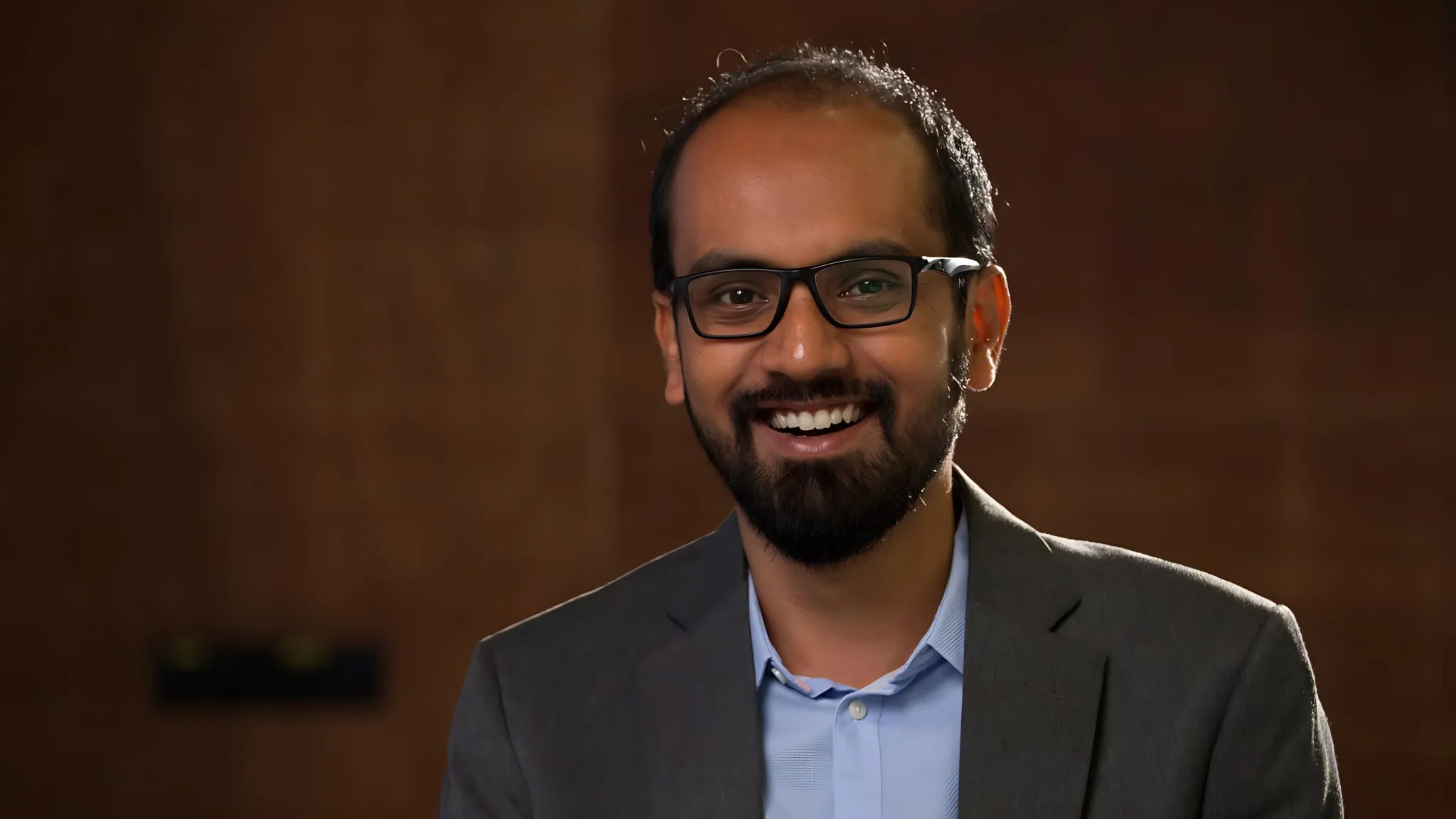
Sahil Barua co-founded Delhivery in May 2011 as a hyperlocal delivery service for offline shops, carrying flowers and restaurant food around Gurugram for its first few months, according to the World Economic Forum. The founders soon switched to e-commerce logistics. Within 15 years, the company was delivering a billion e-commerce parcels in a single year.
How Sahil Barua found the problem
Sahil Barua studied engineering at NIT Karnataka and management at IIM Bangalore, DNA reported, then spent three years at Bain & Company in New Delhi and London, according to a Startup Grind profile. At Bain he worked with Mohit Tandon and Suraj Saharan. With Bhavesh Manglani and Kapil Bharati, they became Delhivery's five co-founders, Business Today reported in 2014.
Online shopping was taking off, and the founders saw a gap. Retailers either ran their own delivery arms or used courier firms built for documents and bulk cargo, and neither was designed to move parcels fast and collect cash at the door, Business Today wrote. "We spent the first six months bootstrapping with our own money," Barua said. By then Delhivery was handling about 600 orders a day across Delhi.
Sahil Barua takes Delhivery public
Investors such as SoftBank and Carlyle came in as Delhivery grew into a network for parcels, heavy freight and warehousing. Two co-founders, Tandon and Manglani, left in March 2021, according to Tofler. In May 2022 the Delhivery IPO raised Rs 5,235 crore at Rs 487 a share, cut from the Rs 7,460 crore planned earlier, Business Today reported. SoftBank, Carlyle and the co-founders sold part of their stakes in it, YourStory reported, and the stock listed at a premium of 1 to 2%, Free Press Journal reported.
Profit took longer. In FY25 Delhivery posted its first full year of profit, Rs 162 crore, against a loss of Rs 249 crore a year earlier, on revenue of Rs 8,932 crore, YourStory reported.
A rival bought, and a billion parcels
In July 2025 Delhivery completed its Rs 1,407 crore purchase of rival Ecom Express, Business Standard reported. Ecom was about half Delhivery's size, Barua told investors, and its wider reach was expected to take Delhivery to about 19,200 pin codes, Inc42 reported. Folding it in was costly. Delhivery spent Rs 90 crore on integration in the September quarter and slipped to a loss of about Rs 50 crore, YourStory reported.
For FY26, revenue from services rose 17% to Rs 10,486 crore and the company turned free cash flow positive, at Rs 89 crore, ITLN reported. Profit was Rs 153 crore, or Rs 347 crore before Ecom integration costs and one-off items. Delhivery delivered one billion e-commerce parcels in the year, about as many as in its first ten years combined. "FY26 has been a bellwether year for Delhivery in many ways," Barua told analysts in May 2026, according to an earnings call transcript.
The first quarter of FY27 showed the strain. Revenue rose 28% to Rs 2,931 crore and parcel volumes jumped 55%, but profit fell 65% to Rs 31.9 crore, Inc42 reported. On 10 August 2026 the shares traded at Rs 479.45, just below the IPO price, JM Financial noted.
Sahil Barua has taken a delivery experiment in Gurugram to a billion parcels a year. Turning that volume into steady profit, and a share price above what IPO investors paid, is the work still in front of the Delhivery founder.
For more founder stories, read our pieces on Vidit Aatrey of Meesho and Peyush Bansal of Lenskart.
More from FoundersFeed: more founder stories and founders from Punjab and Haryana.
This story is based on interviews Sahil Barua has given to the press, company filings and statements, and news reports, linked above. FoundersFeed did not interview Sahil Barua for this story. Financial figures are as reported up to August 2026. For corrections, write to editorial@foundersfeed.in.
Sources
- World Economic Forum: Delhivery
- DNA: IIM grad who built Delhivery
- Startup Grind: Sahil Barua (2014)
- Business Today: Coolest start-up 2014, Delhivery
- Tofler: Delhivery founders and history
- YourStory: Delhivery IPO oversubscribed (2022)
- Business Today: Delhivery IPO anchor round (2022)
- Free Press Journal: Delhivery makes muted market debut (2022)
- YourStory: Delhivery posts first full-year profit (2025)
- Business Standard: Delhivery Q1 FY26 results
- YourStory: Delhivery Q2 FY26 loss amid Ecom integration
- ITLN: Delhivery FY26 revenue, cash flow positive
- Delhivery Q4 FY26 earnings call transcript
- Inc42: Delhivery delivers profits, five quarters and counting (2025)
- Inc42: Delhivery Q1 FY27 profit falls 65%
- JM Financial: Delhivery after Q1 FY27 results
Questions readers ask
Who is Sahil Barua?
He is the co-founder, managing director and CEO of Delhivery, the Gurugram logistics company he started in 2011.
How did Delhivery start?
As a hyperlocal service delivering flowers and food for shops and restaurants in Gurugram, before it moved to e-commerce logistics within months.
When did Delhivery go public?
It listed in May 2022 after a Rs 5,235 crore IPO priced at Rs 487 a share.
Is Delhivery profitable?
It posted its first full-year profit in FY25, Rs 162 crore, and Rs 153 crore in FY26 after Ecom Express integration costs.
What did Delhivery pay for Ecom Express?
Rs 1,407 crore. The deal closed in July 2025, and integration costs pushed Delhivery to a loss in the September quarter.

Written by
Avinash MishraAvinash Mishra is Senior Correspondent, Business and Fintech, at FoundersFeed. He covers banking and payments in India, from UPI economics to RBI regulation, and writes a regular markets brief for founders and operators who track the money side of building a business.