The story in 30 seconds
- Bunker Roy, founder of Barefoot College, died at his home in Tilonia on 10 November 2026, aged 81.
- A former national squash champion, he turned to rural work after the Bihar famine of 1966-67.
- In 1972 he set up the Social Work and Research Centre in Tilonia, which became Barefoot College.
- The college trained village women, many of them grandmothers who could not read, as solar engineers.
- He received the Padma Shri in 1986 and was named in Time's 100 most influential people in 2010.
In this story4 sections
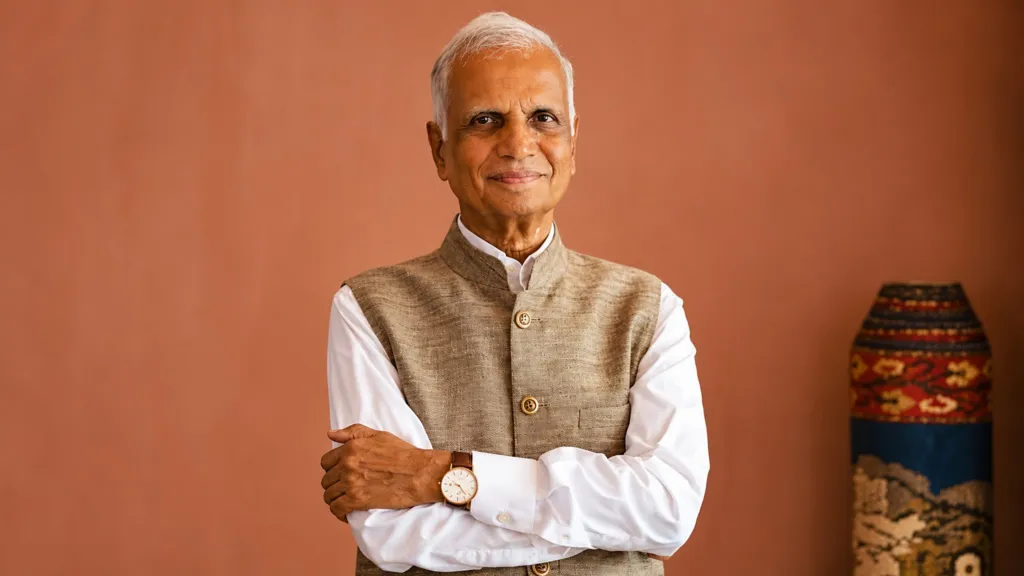
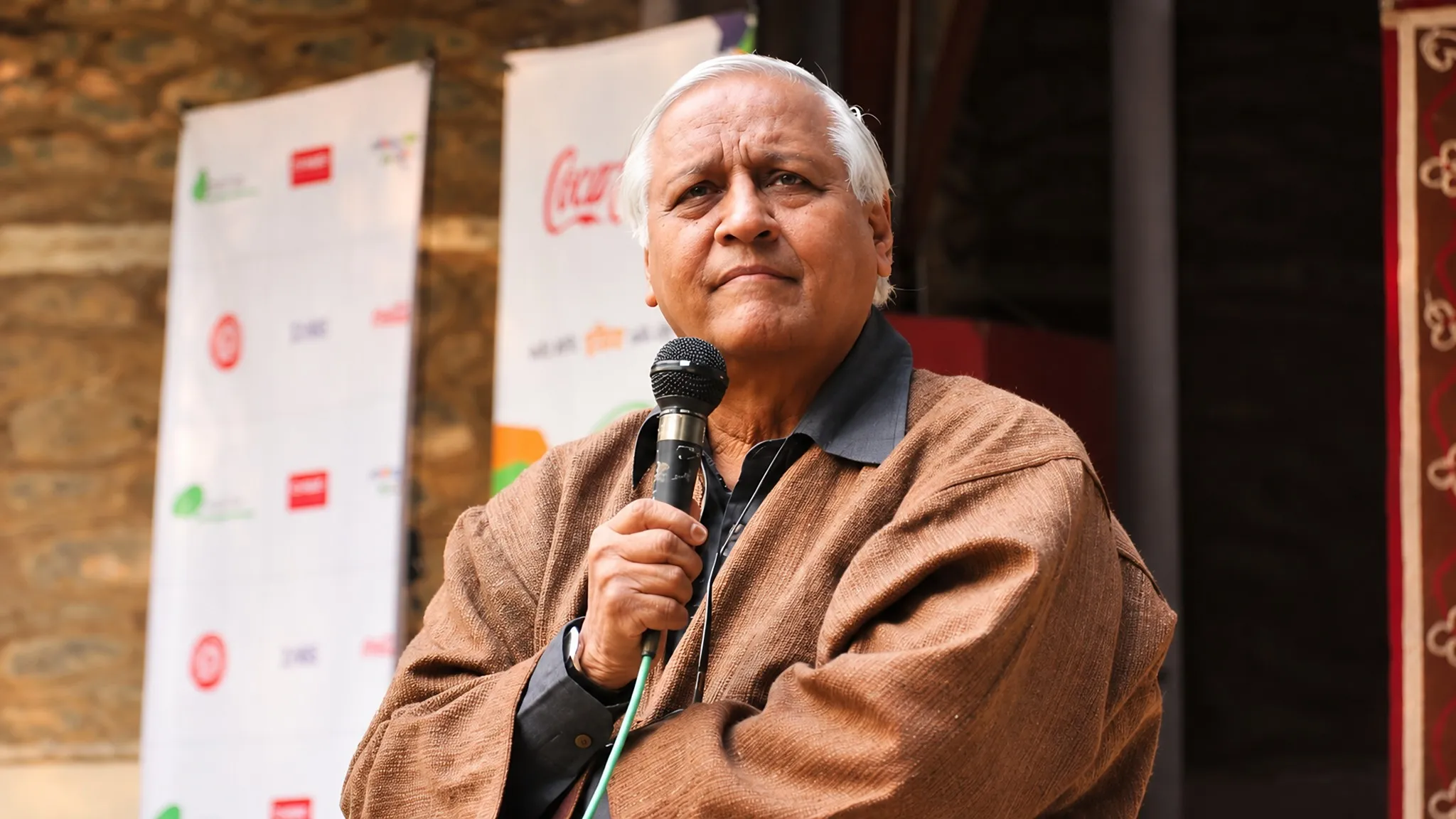
Bunker Roy, who founded Barefoot College in Tilonia, Rajasthan, and trained rural women with little or no schooling as solar engineers, died at home on the morning of 10 November 2026. He was 81. He died peacefully, with his wife, the activist Aruna Roy, and others around him, said Sowmya Kidambi, the college's chief executive, ANI reported. His funeral was set for that afternoon.
Born Sanjit Roy on 30 June 1945 in Burnpur, Bengal, he studied at The Doon School and St Stephen's College, Delhi, according to Wikipedia. He was India's national squash champion in 1965 and played for the country at three world championships. The Bihar famine of 1966-67 changed his course. After seeing it, he left a career-track job and moved to Tilonia in Rajasthan with a farmer friend, Meghraj, where he began by drilling open wells, Barefoot College said in a statement after his death.
A college with no degrees
In 1972, after surveying water supplies in 100 drought-prone areas, he set up the Social Work and Research Centre in Tilonia, in Ajmer district. It came to be known as Barefoot College. Its idea, drawn from Gandhian thinking, was that people without formal education could learn technical skills and solve problems in their own villages, The Week reported. The college gives no degrees or certificates, and much of its training does not require students to read or write, according to Wikipedia's entry on the college. In a line his colleagues shared after his death, he called Tilonia "a place for cop outs, drop outs and wash outs."
Grandmothers as solar engineers
The college's best-known programme trained village women, many of them grandmothers with little or no schooling, to install, repair and maintain solar lighting. Kamala Devi became the first woman solar engineer it trained, in 1997. Under a programme of India's Ministry of External Affairs funded by the UNDP, women from off-grid villages in Africa came to the college for six months of training. Since 2015, more than 60 women from Zanzibar, and others from Malawi and Somaliland, have gone home to install and maintain solar power in their villages. The college also ran night schools for children who worked during the day: in 2008, about 3,000 children attended 150 of them.
By 2010, the college had trained more than three million people in skills ranging from solar engineering and teaching to midwifery and weaving, Wikipedia says. He received the Jamnalal Bajaj Award in 1985 and the Padma Shri in 1986. Time named him one of the world's 100 most influential people in 2010, and in 2013 he received a Clinton Global Citizen Award.
A life that drew debate
Not all of his ideas were welcomed. After Rajiv Gandhi appointed him to the Planning Commission, he recommended a code of conduct for NGOs and a national council to decide which organisations were legitimate. Critics opposed both, arguing that they could be used for patronage or to suppress groups that did not support the government.
Tributes came from across politics and public life. Former Rajasthan chief minister Ashok Gehlot praised his Gandhian approach to rural self-reliance, and Congress MP Shashi Tharoor credited the solar programme with lighting thousands of off-grid homes. The scholar Amitabh Mattoo wrote that he had turned "grandmothers who could not read into solar engineers," The Wire reported.
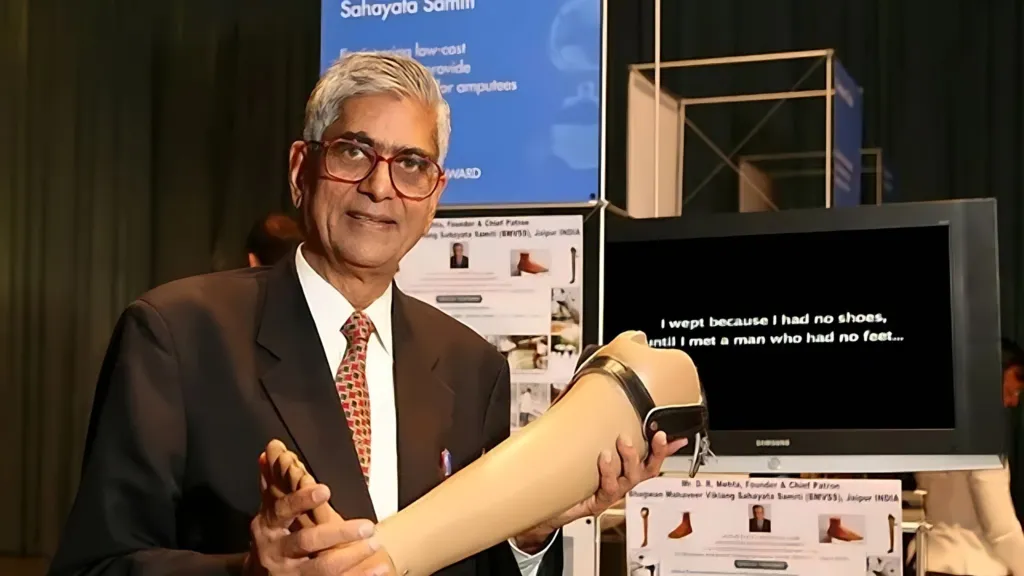
For another founder who built a social enterprise in Rajasthan, read our story on D.R. Mehta and the Jaipur Foot, and for another rural model, see Sridhar Vembu's work in Tenkasi.
More from FoundersFeed: social enterprise founders and founders from Rajasthan.
This story is based on interviews Bunker Roy gave during his lifetime, statements from Barefoot College and news reports, linked above. FoundersFeed did not interview him for this story. For corrections, write to editorial@foundersfeed.in.
Sources
Questions readers ask
Who was Bunker Roy?
Sanjit 'Bunker' Roy was the founder of Barefoot College in Tilonia, Rajasthan, which trained rural people without formal education in skills such as solar engineering.
When did Bunker Roy die?
He died at his home in Tilonia on the morning of 10 November 2026, at the age of 81.
What is Barefoot College?
It is the Social Work and Research Centre in Tilonia, set up in 1972. It gives no degrees and trains villagers, especially women, in solar power, water, education and health care.
Who are the solar engineers trained at Barefoot College?
Village women, many of them grandmothers with little or no schooling, from India and countries in Africa and elsewhere, who learn to install and maintain solar lighting.
What awards did Bunker Roy receive?
The Jamnalal Bajaj Award (1985), the Padma Shri (1986) and a Clinton Global Citizen Award (2013). Time named him among its 100 most influential people in 2010.

Written by
Saraswati ChaubeySaraswati Chaubey is a Staff Writer at FoundersFeed, writing about women founders and changemakers. She follows entrepreneurship, artificial intelligence and India's fast-changing innovation ecosystem.