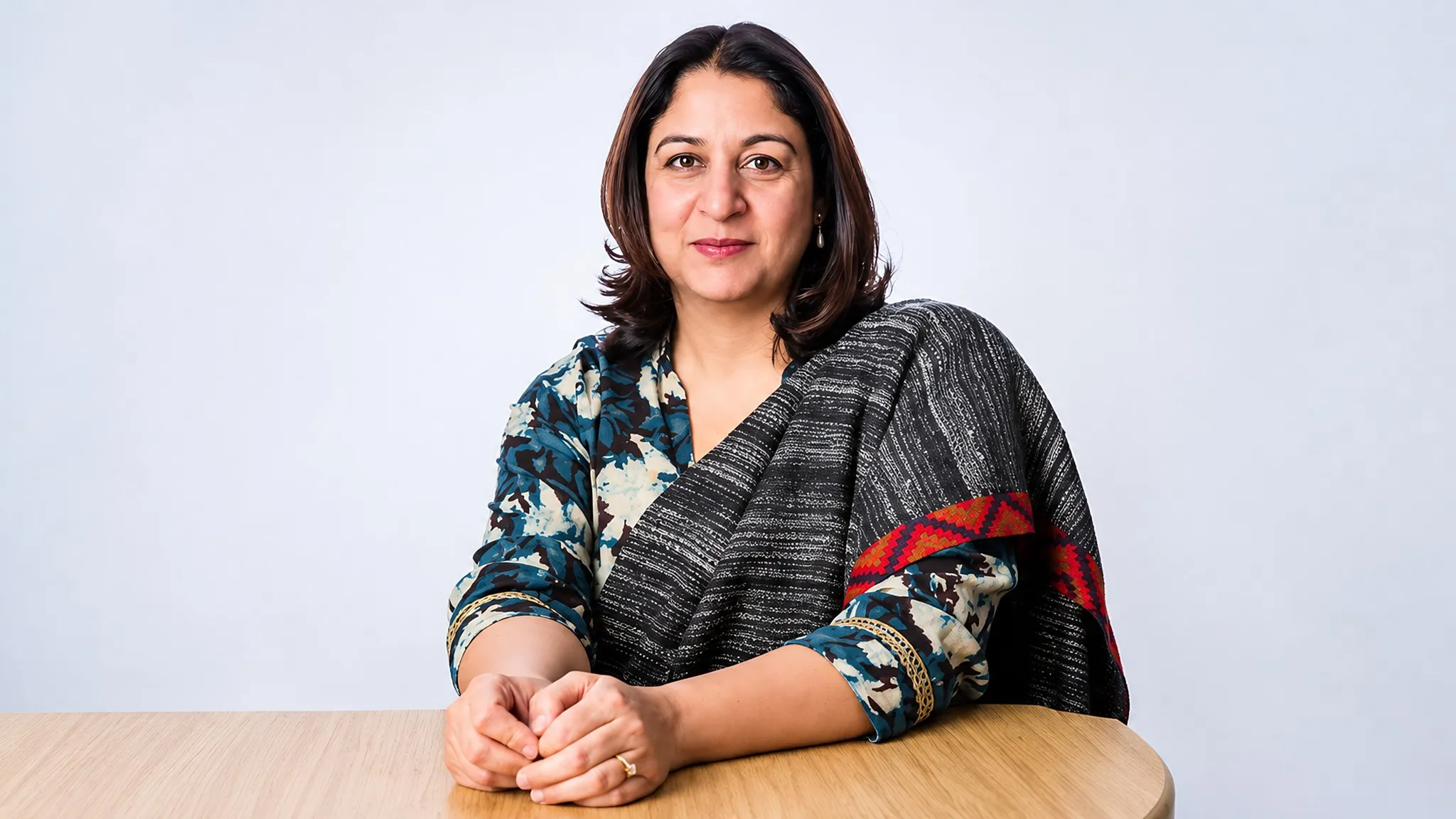
The story in 30 seconds
- Safeena Husain founded Educate Girls in 2007, starting in Rajasthan.
- Its teams go village to village to find out-of-school girls and persuade families to re-enrol them.
- Its Team Balika volunteer network has more than 55,000 members, the organisation says.
- Its 2015 development impact bond, which tied funding to results, beat its enrolment and learning targets by 2018.
- In 2025 Educate Girls became the first Indian organisation to win the Ramon Magsaysay Award.
In this story5 sections
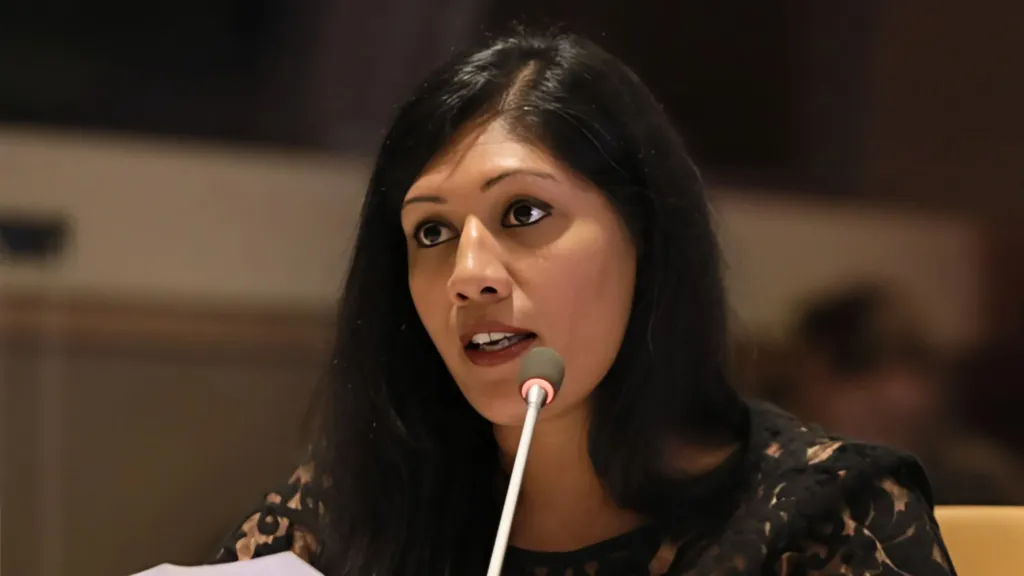
Safeena Husain founded Educate Girls in 2007 to find girls who had dropped out of school in rural India and get them back into classrooms. The non-profit began in Rajasthan and now works with the governments of Rajasthan, Madhya Pradesh, Uttar Pradesh and Bihar. On 31 August 2025 it was named a winner of the Ramon Magsaysay Award, the first Indian organisation to receive the honour, All India Radio reported.
Safeena Husain in Delhi, London and beyond
She grew up in Delhi and studied at Delhi Public School, The Tribune reported in 2025. Her childhood was marked by poverty and disrupted schooling, the London School of Economics has noted. She has described the gap year before university as the lowest phase of her life. "Getting admission to LSE suddenly changed everything," she told The Tribune.
After graduating from the LSE in 1995, she moved to San Francisco to work at a Silicon Valley start-up and then turned to health and welfare work with poor communities in the US, Latin America and Africa, including health care in Ecuador's Amazon region. From 1998 to 2004 she was executive director of Child Family Health International in San Francisco, according to Wikipedia.
How Safeena Husain started Educate Girls
She returned to India in 2005, troubled by how many girls in rural areas were out of school, and spent two years studying the problem before setting up Educate Girls, the Ramon Magsaysay Award Foundation notes. An early pilot ran in 50 schools in Rajasthan's Pali district under the Rajasthan Education Initiative and later grew to 500 schools, Entrepreneur reported.
The method is simple to describe and hard to carry out. Teams visit every village in a district, list the girls who are not in school and persuade their families to send them back, The Tribune reported. The work rests on Team Balika, a network of community volunteers that the organisation says now has more than 55,000 members. In schools, volunteers run an activity-based literacy and numeracy course. A programme called Pragati helps older girls who left school, often because of marriage or household duties, prepare for open-board exams. It serves learners aged 15 to 29 and has grown to more than 31,500, the award foundation says.
Paying only for results
In 2015 Educate Girls launched what is described as the world's first development impact bond in education, a payment-by-results deal that tied funding to gains in enrolment and learning. When the project ended in 2018, it had beaten both its enrolment target and its learning target, according to the award foundation. Educate Girls also became Asia's first TED Audacious Project, according to its website.
Awards and what comes next
Safeena Husain won the WISE Prize for Education in 2023, becoming the first Indian woman to receive it, and the LSE gave her an honorary doctorate in 2024, WISE notes. In February 2026 TIME named her one of its Women of the Year, and she has published a book, Every Last Girl. The focus on out-of-school girls comes from "my lived experience", she said in her TIME interview, YourStory reported.
Educate Girls says it has brought more than 22 lakh out-of-school girls back to education. The award foundation credits its volunteers with enrolling and keeping girls in school across more than 30,000 villages, with retention above 90%. She now serves as founder and board member, with Gayatri Nair Lobo as chief executive, and the organisation aims to reach one crore learners by 2035. Her advice to others in the sector is plain: "Build with evidence, track progress rigorously, and refine your approach based on data," she told Entrepreneur.
For more founders working on education and rural India, read our stories on Alakh Pandey of PhysicsWallah and Sridhar Vembu's rural model at Zoho.
More from FoundersFeed: social enterprise founders and founders from Rajasthan.
This story is based on interviews Safeena Husain has given to the press, company filings and statements, and news reports, linked above. FoundersFeed did not interview Safeena Husain for this story. For corrections, write to editorial@foundersfeed.in.
Sources
- All India Radio: Educate Girls wins Ramon Magsaysay Award 2025
- The Tribune: Magsaysay just a start for Safeena's Team Balika (2025)
- LSE: LSE alumna honoured as TIME Woman of the Year (2026)
- Wikipedia: Safeena Husain
- Ramon Magsaysay Award Foundation: Foundation to Educate Girls Globally
- Entrepreneur India: The change-maker, Safeena Husain (2025)
- Educate Girls: Who we are
- WISE: Safeena Husain
- YourStory: Safeena Husain in TIME Women of the Year list (2026)
Questions readers ask
Who is Safeena Husain?
She is the founder of Educate Girls, a non-profit that brings out-of-school girls in rural India back to school. She grew up in Delhi and studied at the London School of Economics.
What does Educate Girls do?
It identifies girls who are not in school, village by village, and works with families, volunteers and state governments to enrol them and keep them learning. It works in Rajasthan, Madhya Pradesh, Uttar Pradesh and Bihar.
When did Educate Girls win the Ramon Magsaysay Award?
Its selection was announced on 31 August 2025. It was the first Indian organisation to receive the award.
What is Team Balika?
It is the Educate Girls network of community volunteers, which the organisation says has more than 55,000 members.
What was the Educate Girls development impact bond?
Launched in 2015, it was described as the world's first development impact bond in education, tying funding to results. By its end in 2018 it had beaten its enrolment and learning targets.

Written by
Saraswati ChaubeySaraswati Chaubey is a Staff Writer at FoundersFeed, writing about women founders and changemakers. She follows entrepreneurship, artificial intelligence and India's fast-changing innovation ecosystem.