The story in 30 seconds
- Bindeshwar Pathak was born in Rampur Baghel, Bihar, in 1943 and studied sociology in Patna.
- He designed a cheap twin-pit, pour-flush toilet that did not need cleaning by hand.
- He founded the organisation that became Sulabh International in 1970.
- His first two demonstration toilets in Arrah were built with Rs 500 in 1973.
- Sulabh built more than 10,000 public toilets; he died in 2023 and received the Padma Vibhushan in 2024.
In this story3 sections
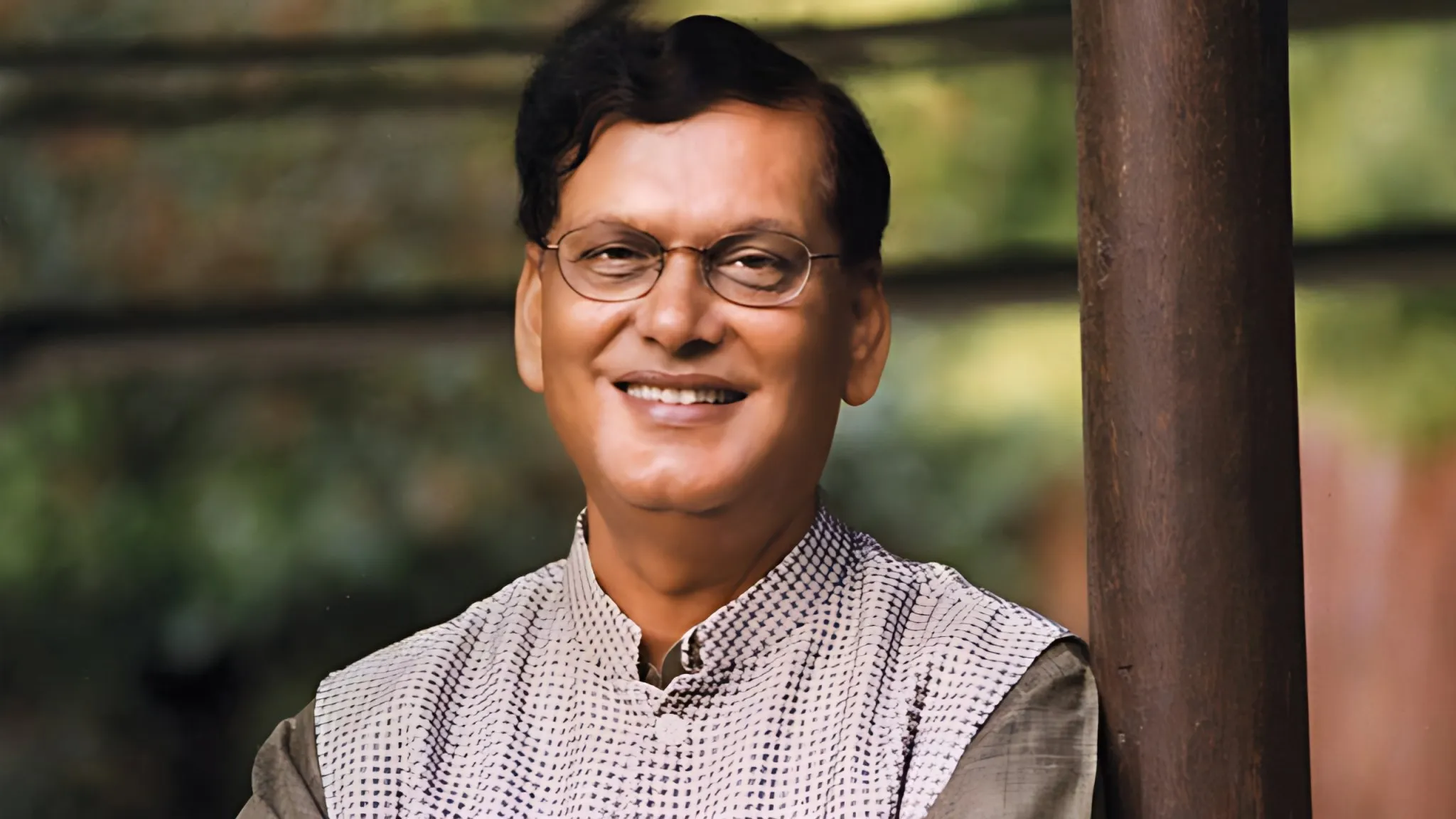
Bindeshwar Pathak built his first two demonstration toilets with Rs 500 from a municipal official in Arrah, Bihar, in 1973. The official wanted proof that his design would work. Over the next five decades, the organisation Pathak founded, Sulabh International, built more than 10,000 public toilets across India, according to an obituary republished by Sulabh.
Bindeshwar Pathak and a toilet that needed no scavenger
He was born on April 2, 1943, in Rampur Baghel, a village in Bihar, according to an obituary in The Lancet. He graduated in sociology from BN College in Patna and wanted to study criminology, but first joined the Gandhi Centenary Committee in Patna as a volunteer. The committee sent him to Bettiah to work for the rights and dignity of Dalit communities, among whom many families were forced into manual scavenging, the cleaning of dry latrines by hand.
His answer was a cheap toilet that did not need anyone to clean it by hand. He developed a twin-pit, pour-flush design, Sulabh Shauchalaya, The Lancet reported. One pit is used while the other, once full, is sealed and left to turn into compost. The toilet needed little water and could be built in villages and small towns. In 1970 he founded the organisation that became Sulabh International to take it to households and local governments.
Convincing people was slow work. He went door to door explaining that the toilet used less water and that nobody would have to clean it by hand, The Lancet reported.
How Bindeshwar Pathak spread Sulabh
After the Arrah demonstration, the Bihar government in 1974 asked all local bodies to take Sulabh's help in converting bucket toilets into two-pit, pour-flush toilets, according to the obituary on Sulabh's site. The first Sulabh public toilet complex, with 48 seats, 20 bathrooms, urinals and washbasins, opened in Patna the same year. Users paid a small fee to use them, a pay-and-use idea that quickly caught on, the BBC reported. By 1980, 25,000 people were using Sulabh facilities in Patna alone.
The model spread across the country. Sulabh built nearly 1.3 million household toilets, and its two-pit technology was used in some 54 million government-built toilets, WION reported. Pathak also worked on freeing and rehabilitating manual scavengers, and in 2012, at the Supreme Court's request, Sulabh began paying a monthly stipend of Rs 2,000 to each widow in Vrindavan, according to the obituary on Sulabh's site.
In 2016 Indian Railways made him the brand ambassador of its Swachh Rail Mission, WION reported. Sulabh, which now also works on human rights, waste management and education, according to The Lancet, runs an international toilet museum in New Delhi.
He received the Padma Bhushan in 1991 for his work on liberating and rehabilitating manual scavengers, and the Stockholm Water Prize in 2009. Sulabh was given the Gandhi Peace Prize in 2016. He died on August 15, 2023, at 80, and was awarded the Padma Vibhushan posthumously in 2024, Scroll reported.
Bindeshwar Pathak started with Rs 500 and two demonstration toilets. He spent the rest of his life trying to make sure that no one in India had to clean another person's waste by hand.
For more founders who took on hard social problems, read our stories on the founders of Genrobotics and the Jaipur Foot.
More from FoundersFeed: social enterprise founders and founders from Bihar.
This legacy profile is based on obituaries, publications of Sulabh International and news reports, linked above. Bindeshwar Pathak died in August 2023. Sources differ on when he designed the twin-pit toilet (1968 or 1969) and on how many toilets Sulabh has built, so we attribute each figure. For corrections, write to editorial@foundersfeed.in.
Sources
Questions readers ask
Who was Bindeshwar Pathak?
He was the sociologist and social reformer who founded Sulabh International in 1970 and designed its low-cost twin-pit toilet.
What is a Sulabh toilet?
A twin-pit, pour-flush toilet in which one pit is used while the other turns its contents into compost, so no one has to clean it by hand.
How did Sulabh start?
Bindeshwar Pathak built two demonstration toilets in Arrah, Bihar, in 1973 with Rs 500 from a municipal official.
How many toilets did Sulabh build?
More than 10,000 public toilets, and nearly 1.3 million household toilets, according to reports at his death.
When did Bindeshwar Pathak die?
On August 15, 2023, in New Delhi, at the age of 80.

Written by
Saraswati ChaubeySaraswati Chaubey is a Staff Writer at FoundersFeed, writing about women founders and changemakers. She follows entrepreneurship, artificial intelligence and India's fast-changing innovation ecosystem.