The story in 30 seconds
- Sumita Ghose worked in rural development in Rajasthan for more than 15 years before starting Rangsutra.
- With no collateral for a bank loan, she got 1,000 artisans to invest Rs 1,000 each in 2006.
- Rangsutra organises artisans into producer groups, trains them and finds them regular orders.
- It has supplied IKEA and pays dividends to artisan shareholders.
- In 2025 it worked with more than 2,000 artisans across nine states, about 80% of them rural women.
In this story4 sections
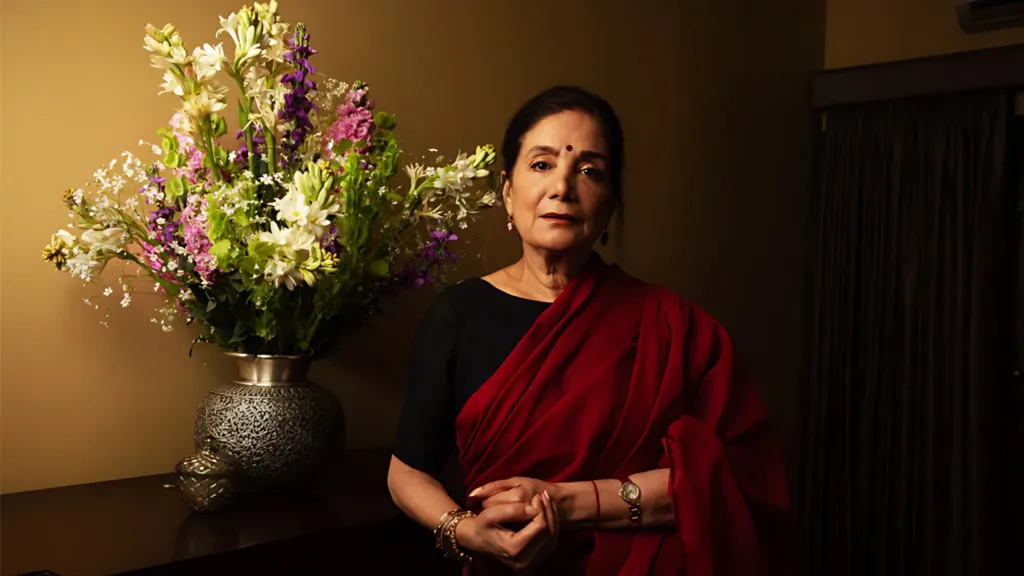
Sumita Ghose could not get a bank loan to start Rangsutra because she had no collateral, so she asked the artisans she wanted to work with to invest instead, The Better India reported. A thousand artisans put in Rs 1,000 each. The company they co-own now works with more than 2,000 artisans across nine states, about 80% of them rural women, Local Samosa reported in 2025.
How Sumita Ghose came to crafts
She studied economics at Elphinstone College and Mumbai University and worked for eight years at URMUL, a rural development trust funded by a farmers' dairy co-operative, she told the Global Indian Times. The idea for Rangsutra came to her during a Fulbright fellowship in conflict resolution at Eastern Mennonite University in Virginia in 2001-02.
In all she spent more than 15 years in the non-profit development sector in rural Rajasthan before starting Rangsutra, she told 30 Stades. She knew she did not want to set up another non-profit, The Asian Age reported.
An artisan-owned company
"We started in 2006 as a way to ensure regular work for rural artisans," the Rangsutra founder told The Statesman. The company started out from Rajasthan, Business Today reported. The State Bank of India would not lend without collateral, The Week reported, so 1,000 artisans contributed Rs 1,000 each and Ghose added a matching Rs 10 lakh, Business Today reported. Fabindia gave the company a lot of support in its early years, she told The Statesman. "A thousand artisans from Rajasthan invested and we garnered Rs 10 lakh," she told 30 Stades.
Rangsutra groups artisans into producer and self-help groups, trains them, provides tools, oversees production and arranges regular orders, Business Today reported in August 2018. It then had about 3,500 artisans in Rajasthan, Uttar Pradesh, Jammu and Kashmir and Manipur, roughly 2,500 of them shareholders, and a turnover of about Rs 10 crore. It sold through the online platform Jaypore and outlets in South Delhi and planned its own e-commerce portal.
By 2017 it had 3,000 artisans, 2,200 of them direct shareholders, The Better India reported. In September 2018 Business Today called it the only producer-owned company in India's handicraft sector and a supplier to IKEA, and said the impact investor Aavishkaar had made a good exit. The company has paid dividends to its artisan shareholders, which Ghose said boosted their confidence.
Sumita Ghose and the Amul idea
Ghose wants Rangsutra to become the Amul of handloom and handicraft products, Business Today reported. A profile by Grant Thornton puts its shareholders at more than 2,000 and its turnover at over Rs 20 crore, with rural women making up 70% of members.
Its weaving clusters include Barmer, Bikaner and Srinagar, and its artisans work in appliqué, Ralli patchwork, Chikankari and tie-and-dye, Local Samosa reported. Rangsutra makes clothing and home decor. It sets prices on a cost-plus basis, buys natural cotton, wool and silk yarn in bulk and designs products jointly with artisans, Ghose told the Global Indian Times. Every artisan completes at least one training workshop, whether in skills, product development or as a village craft manager supervising 20 to 30 artisans, she said. A solar loom costs about Rs 1 lakh but lets a weaver run two looms at once, she explained to The Statesman.
For Sumita Ghose, the point is ownership: the people who make Rangsutra's products also hold its shares.
For more founder stories, read our pieces on the team behind Jaipur Foot and Arunachalam Muruganantham.
More from FoundersFeed: social enterprise founders and founders from Delhi NCR.
This story is based on interviews Sumita Ghose has given to the press and news reports, linked above. FoundersFeed did not interview her for this story. Artisan and turnover figures vary by year and source; we give the year for each. For corrections, write to editorial@foundersfeed.in.
Sources
- The Better India: Rangsutra and Sumita Ghose (2017)
- Local Samosa: How Rangsutra is preserving weaving traditions (2025)
- Global Indian Times: Interview with Sumita Ghose (2022)
- 30 Stades: How Rangsutra turned rural artisans into entrepreneurs (2022)
- The Asian Age: Weaves of success
- The Statesman: Craft to career
- The Week: Rangsutra, agent of change
- Business Today: Weaving an Amul (2018)
- Business Today: Rangsutra to launch e-commerce portal (2018)
- Grant Thornton: Sociopreneurs profile
Questions readers ask
Who is Sumita Ghose?
The founder and managing director of Rangsutra, a craft company owned by the rural artisans who make its products.
How was Rangsutra funded?
With no collateral for a bank loan, Ghose got 1,000 artisans to invest Rs 1,000 each, and she added a matching Rs 10 lakh.
When was Rangsutra founded?
In 2006, according to Ghose.
Who has bought Rangsutra products?
It has supplied IKEA, had early support from Fabindia, and has sold through online platforms such as Jaypore.
How many artisans work with Rangsutra?
More than 2,000 across nine states, about 80% of them rural women, according to a 2025 report.

Written by
Dr. Mayank RajDr. Mayank Raj is Editor-in-Chief of FoundersFeed. He has spent more than eight years building India's startup incubation infrastructure, helping establish one of North India's largest incubation centres and mentoring more than 150 startups from first idea to first cheque. He now leads a national programme bringing innovation clubs and incubation centres to schools and colleges across India, and has been recognised with a national leadership award for that work.