Falguni Nayar Left Banking at 49 and Built Nykaa on Family Money
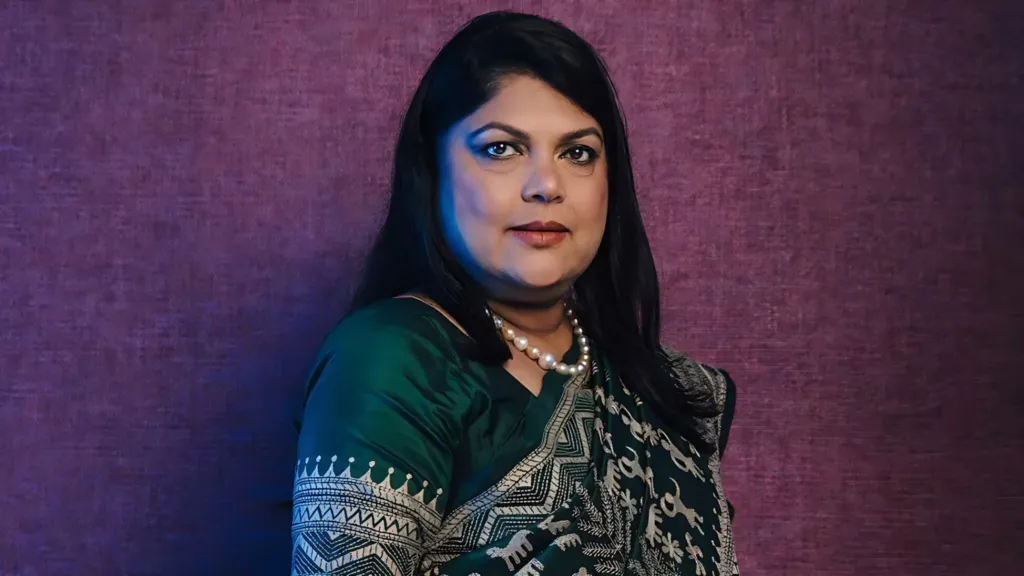
Falguni Nayar spent 19 years at Kotak before starting Nykaa in 2012 with family money. She took it public in 2021, and its profit tripled in the September 2026 quarter.
Sector
D2C brands and consumer startups from India: how founders built a product people buy again, from snacks to textiles.
Falguni Nayar spent 19 years at Kotak before starting Nykaa in 2012 with family money. She took it public in 2021, and its profit tripled in the September 2026 quarter.
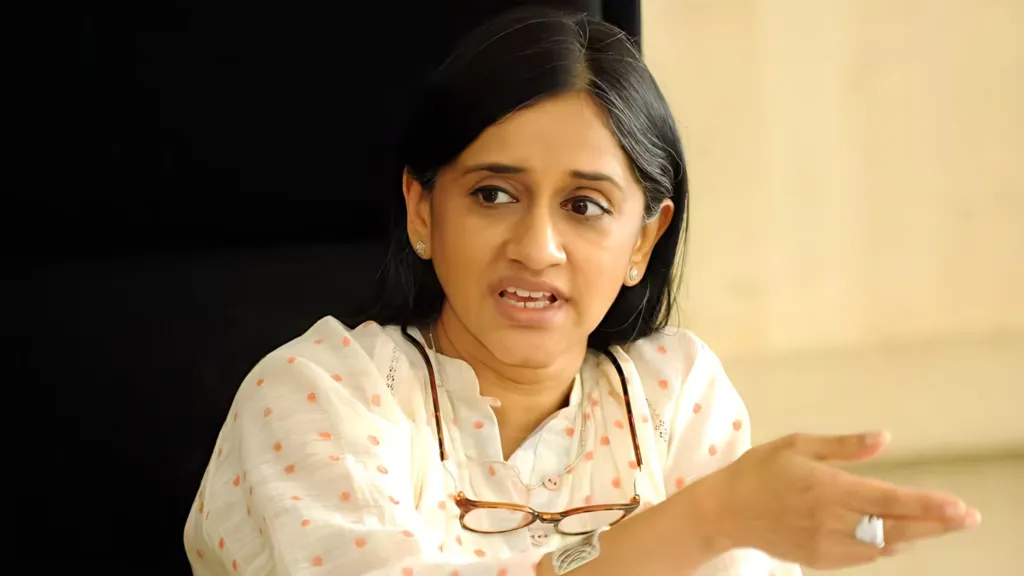
Nisaba Godrej has chaired Godrej Consumer Products since 2017, ran it herself for over a year and hired a chief executive from Hindustan Unilever. In August 2026 he resigned and the CFO took over.
Mahesh Gupta left Indian Oil, ran a small engineering firm and then built water purifiers in his garage. Kent RO, launched in 1999 with about Rs 5 lakh, now earns more than Rs 1,200 crore a year.
PC Musthafa, a plantation coolie's son from Wayanad, went from failing Class 6 to NIT Calicut, Citibank and IIM Bangalore. The batter business he started with his cousins in 2005 is now valued at about Rs 4,450 crore.
Isha Ambani joined the boards of Reliance's telecom and retail arms in 2014 and has led Reliance Retail since 2022. In FY26 the retailer reported Rs 3.7 lakh crore in gross revenue and crossed 20,000 stores.
In 2022, Bisleri's founder said his daughter did not want the business and began talks to sell it to Tata. When the deal fell through, Jayanti Chauhan took charge, ruled out an IPO and began a ₹600 crore expansion.
Ritu Dalmia's first restaurant, MezzaLuna, closed two years after it opened. She came back with Vama in London and Diva in Delhi, and kept going when the pandemic hit.
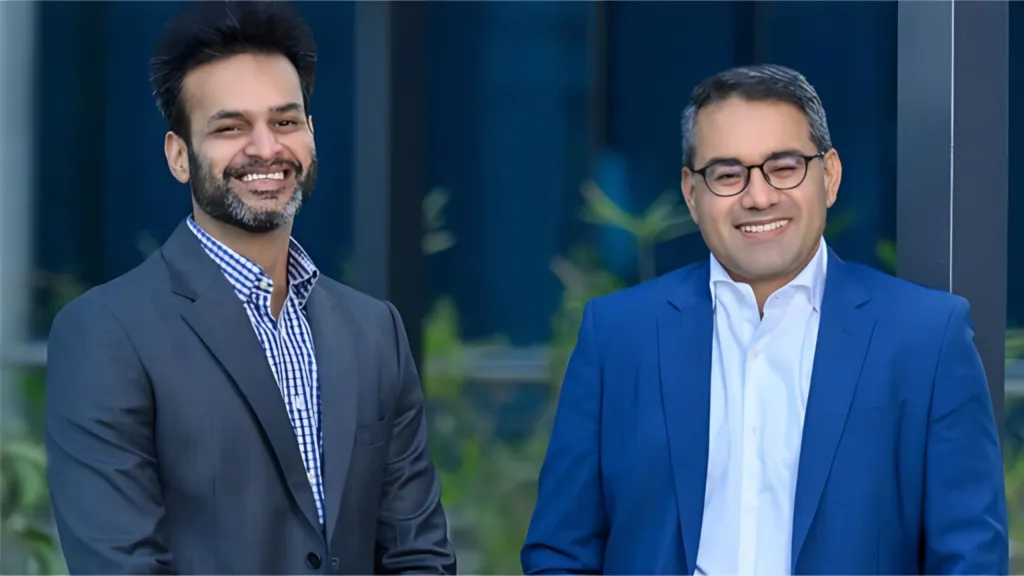
Snapdeal was valued at $6.5 billion in 2016 and nearly merged into Flipkart in 2017. Kunal Bahl and Rohit Bansal rebuilt it around value e-commerce, and their group AceVector listed in October 2026.
When V.G. Siddhartha died in July 2019, Coffee Day Enterprises owed about ₹7,000 crore. His wife, Malavika Hegde, took charge, sold assets, shut loss-making cafés and brought the debt down sharply.
Viraj Bahl helped build Fun Foods, but his father sold it in 2008, and his own restaurant chain failed soon after. In 2013 he sold his house to start Veeba, now one of India's best-known sauce brands.
Sahar Mansoor left global health work to start Bare Necessities in Bengaluru in 2016. The zero-waste brand makes soaps, shampoo bars and cleaners sold without plastic.
Chandubhai Virani and his brothers ran a cinema canteen in Rajkot and started making their own wafers in 1981. Balaji Wafers grew without outside money for decades; in 2026 it agreed to take in General Atlantic.