The story in 30 seconds
- Kunal Bahl and Rohit Bansal, school friends from Delhi, co-founded Snapdeal in 2010.
- Snapdeal was valued at $6.5 billion in February 2016.
- Merger talks with Flipkart ended without a deal in July 2017.
- They refocused on value e-commerce and formed the AceVector group in 2022.
- AceVector raised ₹420 crore in an IPO and listed on 5 October 2026.
In this story4 sections
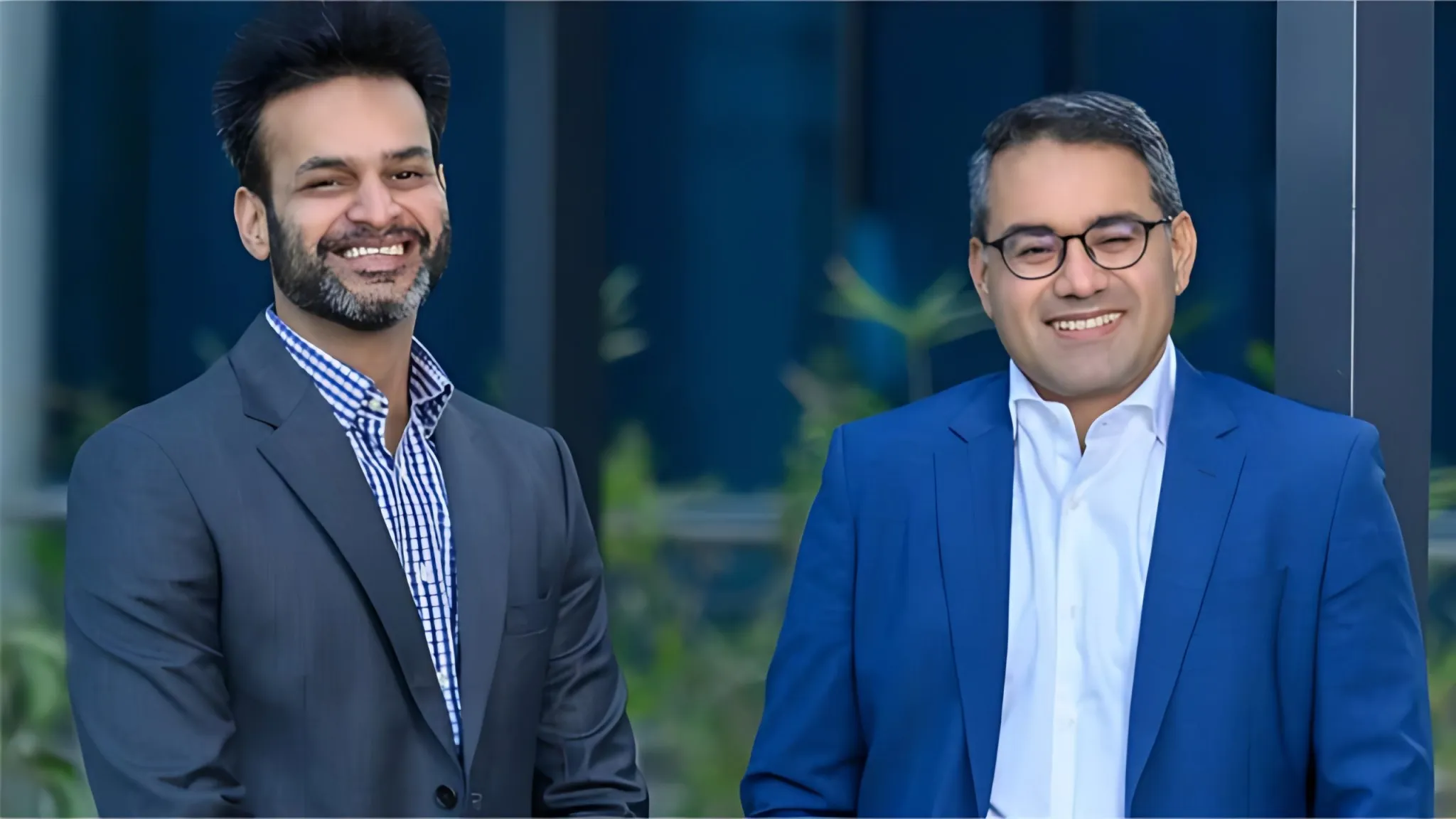
In July 2017, months of talks to merge Snapdeal into its bigger rival Flipkart ended without agreement on Snapdeal's board. The sticking points included the valuation and special payouts to early investors Nexus Venture Partners and Kalaari Capital, according to Wikipedia's entry on Snapdeal. Snapdeal, run by its founders Kunal Bahl and Rohit Bansal, carried on alone. Nine years later, on 5 October 2026, their group AceVector made its stock market debut.
The two were school friends. Bahl studied at Delhi Public School, R.K. Puram, then took two bachelor's degrees at the University of Pennsylvania, one from Wharton and one in engineering, according to Wikipedia. He worked briefly at Microsoft before a visa problem brought him back to India in 2007. Bansal, his school friend, co-founded Snapdeal with him on 4 February 2010, Wikipedia says. It started as a daily deals site and became an online marketplace in October 2011.
Boom, then the crunch
The money came fast. SoftBank invested more than $600 million in October 2014 and became Snapdeal's largest shareholder, and in August 2015 it joined a $500 million round with Alibaba and Foxconn. In February 2016, a $200 million investment valued Snapdeal at $6.5 billion. In 2017, as the Flipkart talks dragged on, Snapdeal sold its stake in the courier firm GoJavas and raised ₹113 crore from Nexus to keep going.
How Kunal Bahl and Rohit Bansal rebuilt Snapdeal
After the merger fell through, the founders sold the payments business FreeCharge and the logistics arm Vulcan Express, and narrowed Snapdeal to value e-commerce, a market Bahl has estimated to be three times the size of the branded goods market, run on an asset-light model that holds little inventory. Revenue grew 74% between 2017 and 2021 while losses fell by about 95%, and unique customers tripled to 27 million between FY18 and FY20, Wikipedia says.
In July 2022 the founders put Snapdeal, the software company Unicommerce and Stellaro Brands under one group, AceVector. Snapdeal shelved a planned $152 million IPO in December 2022, but Unicommerce listed on 13 August 2024 at a premium of about 118% to its issue price, according to SCC Online.
Kunal Bahl and Rohit Bansal also invest their own money through Titan Capital, an early-stage firm whose early bets include Ola, Urban Company and Mamaearth. Bahl later appeared as a judge on Shark Tank India.
The listing
AceVector's IPO raised ₹420 crore at the top of its price band of ₹30 to ₹32 a share: ₹287 crore in new shares and ₹133 crore from investors selling part of their holdings, Business Today reported. Before the issue, SoftBank's Starfish owned 30.11%, Bahl 12.19% and Bansal 10.93%. In FY26, AceVector's revenue rose 29.2% to ₹510.4 crore, and its net loss narrowed to ₹60.7 crore from ₹139.2 crore a year earlier.
Kunal Bahl and Rohit Bansal did not sell any shares in the offer, while SoftBank's Starfish and Nexus Venture Partners sold part of their stakes. The debut was weak: the stock opened at ₹28.32 on the NSE, 11.5% below the issue price, CXO Digitalpulse reported. The company still has to show it can turn a profit.
For more comeback stories, read about Vijay Shekhar Sharma of Paytm and Albinder Dhindsa of Blinkit.
More from FoundersFeed: comeback stories and founders from Delhi NCR.
This story is based on interviews Kunal Bahl and Rohit Bansal have given to the press, company filings and news reports, linked above. FoundersFeed did not interview them for this story. For corrections, write to editorial@foundersfeed.in.
Sources
Questions readers ask
Who founded Snapdeal?
Kunal Bahl and Rohit Bansal, school friends from Delhi, founded Snapdeal on 4 February 2010.
Why did the Snapdeal and Flipkart merger fail?
Talks ended in July 2017 without agreement on Snapdeal's board, with disputes over valuation and payouts to early investors.
What is AceVector?
It is the parent group of Snapdeal, the e-commerce software firm Unicommerce and Stellaro Brands, formed in July 2022.
When did AceVector list?
Its ₹420 crore IPO ran from 25 to 29 September 2026, and the shares listed on 5 October 2026.
Did the founders sell shares in the IPO?
No. Kunal Bahl and Rohit Bansal did not sell any shares in the offer.

Written by
Soumya VermaSoumya Verma is Managing Editor of FoundersFeed and edits most of our founder stories. She works inside one of North India's largest startup incubation centres, where she evaluates early-stage ventures on technology readiness and investor preparedness and drafts funding proposals under national innovation schemes. She has guided more than 75 founders through pitch, valuation and compliance.