The story in 30 seconds
- On 15 March 1959, seven Gujarati homemakers in Girgaum, Mumbai, made four packets of papad on a terrace.
- Jaswantiben Popat was one of them; they borrowed ₹80 from social worker Chhaganlal Karamsi Parekh.
- Lijjat grew to more than 300 members in three years and got working capital from KVIC in 1966.
- Its members, not employees, earn by what they make; turnover crossed ₹1,600 crore in 2019.
- Jaswantiben Popat received the Padma Shri in 2021 and died on 21 September 2023.
In this story3 sections
On 15 March 1959, seven women met on the terrace of their building in Girgaum, in south Mumbai, and rolled four packets of papad. They sold them to a merchant they knew in Bhuleshwar, according to Wikipedia's history of Lijjat. One of the seven was Jaswantiben Jamnadas Popat.
The women were Gujarati homemakers who wanted to add to their families' income without leaving home. Their capital was ₹80, borrowed from Chhaganlal Karamsi Parekh, a social worker and member of the Servants of India Society, Udayavani reported. The other six were Parvatiben Ramdas Thodani, Ujamben Narandas Kundalia, Banuben N. Tanna, Laguben Amritlal Gokani, Jayaben V. Vithalani and Diwaliben Lukka.
From a terrace to a cooperative
The group grew by word of mouth. By its second year, 100 to 150 women had joined, and by the end of its third year it had more than 300 members, according to Wikipedia. The terrace was no longer big enough. The organisation took the name Shri Mahila Griha Udyog Lijjat Papad, which translates roughly as women's home industry for tasty papad, and in 1966 the Khadi and Village Industries Commission gave it ₹8 lakh in working capital and some tax exemptions.
Lijjat works differently from a normal company. The women who make the papad are members, not employees, and each earns according to how much she makes and her role in the organisation, DNA reported. Its turnover crossed ₹1,600 crore in 2019, with about 45,000 women members making some 4.8 million papads a day, Zee News reported. It also makes products such as detergent and rotis. Many Indians still remember its 1990s TV jingle with a rabbit mascot, Udayavani noted.
A Padma Shri at 91
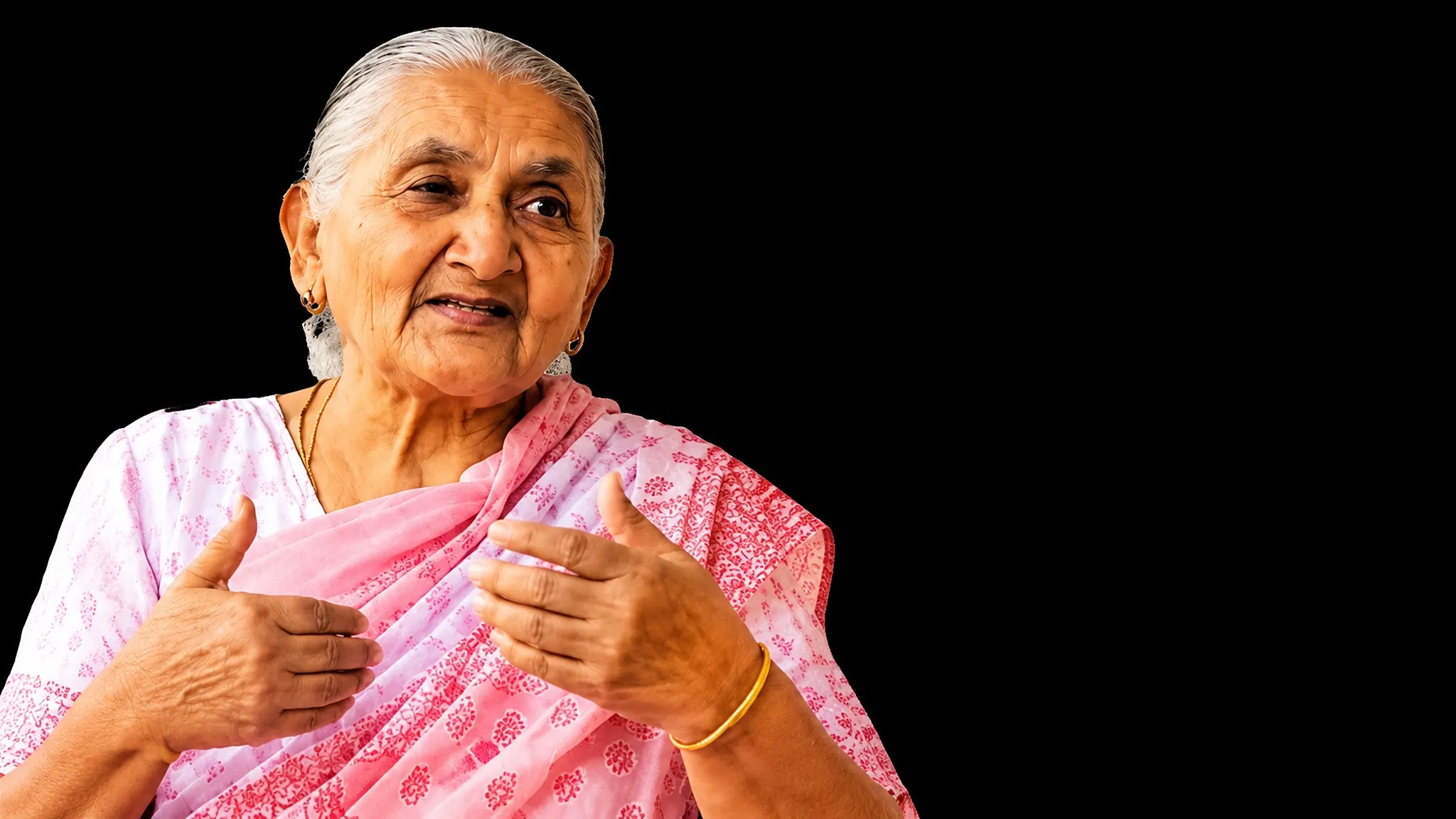
On 26 January 2021, the government named Jaswantiben Popat for the Padma Shri, in the trade and industry category, recognising a business that had helped many homemakers earn their own money, YourStory reported. She was then about 91, and the last living member of the founding seven, The Better India noted.
Jaswantiben Popat died on 21 September 2023, according to her Wikipedia entry. The model she helped start, with no owner at the top and thousands of women sharing in what they make, has outlived its founders and remains one of India's best-known examples of a women's cooperative.
More from FoundersFeed: social enterprise founders and founders from Maharashtra.
This story is based on news reports and published histories of Lijjat, linked above. FoundersFeed did not interview Jaswantiben Jamnadas Popat, who died in 2023. For corrections, write to editorial@foundersfeed.in.
Sources
Questions readers ask
Who founded Lijjat Papad?
Seven Gujarati women in Girgaum, Mumbai, in 1959: Jaswantiben Jamnadas Popat, Parvatiben Ramdas Thodani, Ujamben Narandas Kundalia, Banuben N. Tanna, Laguben Amritlal Gokani, Jayaben V. Vithalani and Diwaliben Lukka.
How much money did Lijjat Papad start with?
₹80, borrowed from social worker Chhaganlal Karamsi Parekh.
How does Lijjat Papad work?
It is a women's cooperative. The women who make the papad are members, and each earns according to her output and role.
How big is Lijjat Papad?
It has about 45,000 women members, and its turnover crossed ₹1,600 crore in 2019.
When did Jaswantiben Popat receive the Padma Shri?
In 2021, at about 91, in the trade and industry category.

Written by
Saraswati ChaubeySaraswati Chaubey is a Staff Writer at FoundersFeed, writing about women founders and changemakers. She follows entrepreneurship, artificial intelligence and India's fast-changing innovation ecosystem.