The story in 30 seconds
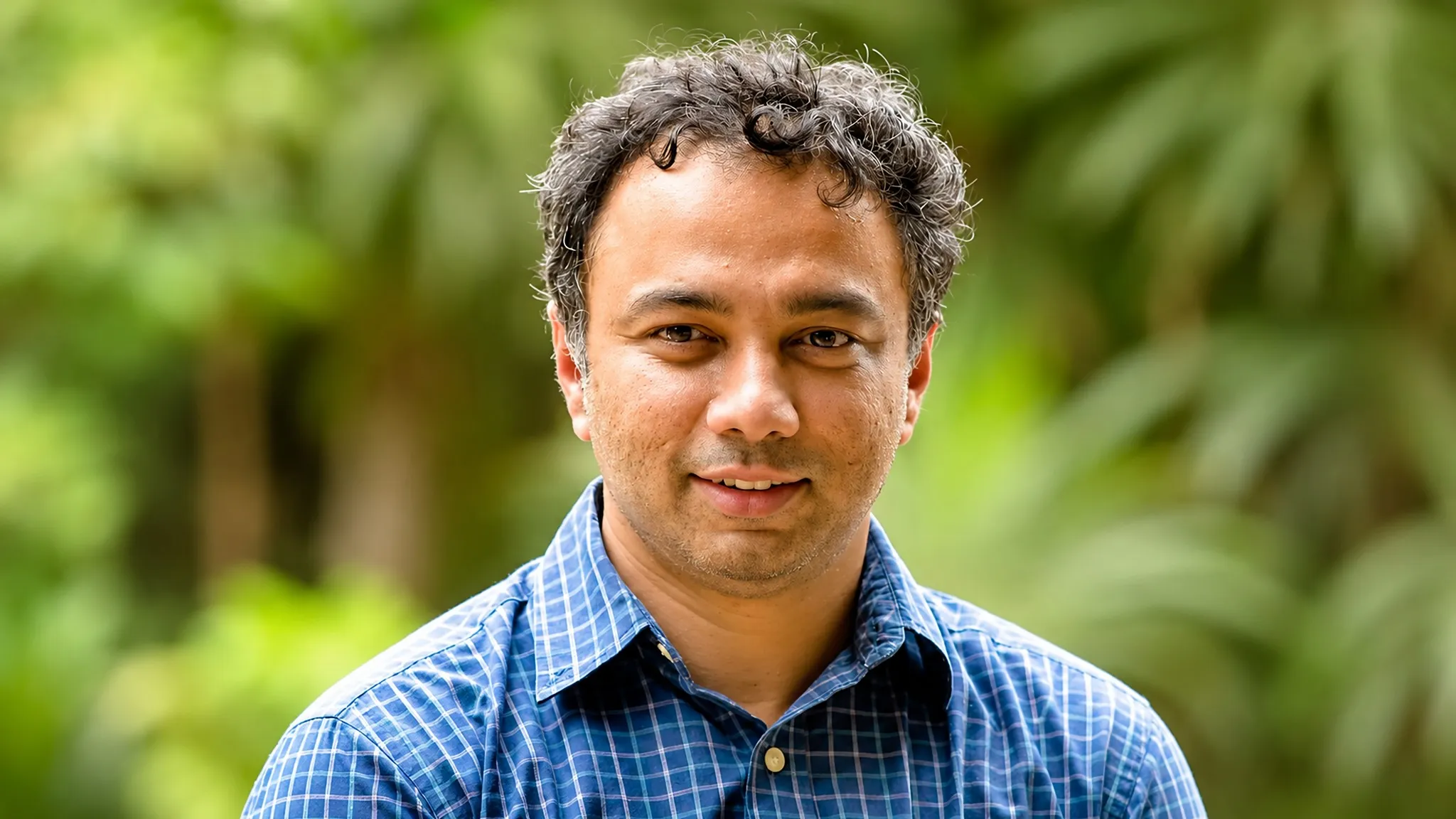
- Harish Hande co-founded SELCO India in Bengaluru in 1995 with Neville Williams.
- SELCO sells solar systems built for each customer, with doorstep credit and doorstep service.
- SELCO has reached more than 450,000 households across six Indian states.
- Hande received the Ramon Magsaysay Award in 2011.
- His SELCO Foundation, set up in 2010, now solar-powers public health centres.
In this story3 sections
As a graduate student in the US, Harish Hande visited the Dominican Republic and saw small, stand-alone solar systems at work in poor and remote villages. The trip convinced him that such stand-alone systems suited villages better than large central power plants, according to the Ramon Magsaysay Award Foundation. Back in India, he lived among villagers to understand their lives, and came away convinced that social realities mattered as much as the product.
Hande was born in Handattu, in Karnataka's Udupi district, and grew up in Rourkela, Odisha. He studied energy engineering at IIT Kharagpur, graduating in 1990, according to Wikipedia, and went on to a master's and a PhD at the University of Massachusetts Lowell. "I believe renewable energy, poverty reduction and sustainability can go hand in hand," he told UMass Lowell.
Selling solar on credit
In 1995, Hande co-founded the Solar Electric Light Company, or SELCO India, in Bengaluru with Neville Williams, president of the US non-profit Solar Electric Light Fund, starting with ₹15,000 from Williams, Wikipedia's entry on SELCO says. A $150,000 loan from Winrock International under a USAID renewable energy project required SELCO to set up service centres and install a minimum number of systems; it was repaid by 2000. Customers paid a quarter of the cost upfront and the rest in monthly instalments.
The company's approach rested on three things: products built for each customer, credit arranged at the doorstep and service at the doorstep. A family might buy a two-light or four-light system, a night worker a headlamp, a tailor power for a sewing machine. SELCO linked sales to rural banks, cooperatives and self-help groups for loans, and trained customers to maintain their systems. It took five hard years to turn a profit. Investor pressure later pushed it into a franchised dealer network which, along with rising equipment prices, hurt its finances; Hande split from his partners and, with help from the International Finance Corporation and social investors, refocused the company on its mission. "Until the poor become asset creators, we are not empowering them," he has said.
SELCO went on to reach more than 450,000 households across six Indian states, according to Sustainable Energy for All. It won Ashden Awards in 2005 and 2007, and in 2011 Hande received the Ramon Magsaysay Award for his efforts to put solar technology in the hands of the poor. He has called it a myth that poor Indians cannot afford solar, Positive News reported.
From homes to health centres
In 2010 Hande set up SELCO Foundation, and in 2014 he left the day-to-day running of SELCO India to lead the foundation as chief executive. In 2023 the foundation and the IKEA Foundation, working with the Ministry of Health and Family Welfare and state health missions, began a programme to bring solar power to 25,000 public health facilities, backed by €48 million in initial funding from the IKEA Foundation, according to a joint statement.
In July 2026, Beyond2020, an initiative of the UAE's Zayed Sustainability Prize, said it had set up six solar-powered health centres in Karnataka with SELCO Foundation, which won the prize in 2018, to serve more than 200,000 people. "Energy is a catalyst for better health care," Hande said, The National reported.
For another founder building in rural India, read our story on Sridhar Vembu's rural model in Tenkasi, and for a solar manufacturer, see Hitesh Doshi of Waaree Energies.
More from FoundersFeed: rural impact founders and founders from Karnataka.
This story is based on interviews Harish Hande has given to the press, company filings and statements, and news reports, linked above. FoundersFeed did not interview Harish Hande for this story. For corrections, write to editorial@foundersfeed.in.
Sources
- Ramon Magsaysay Award Foundation: Harish Hande
- Wikipedia: Harish Hande
- UMass Lowell: Harish Hande profile
- Wikipedia: SELCO India
- Sustainable Energy for All: Harish Hande
- Positive News: Making light work, solar's potential to lift rural Indians out of poverty
- Business Wire: 25,000 health facilities across India to be solar-powered (2023)
- The National: UAE provides solar-powered health centres in India (2026)
Questions readers ask
Who is Harish Hande?
He is the co-founder of SELCO India, a Bengaluru solar company for poor rural households, and the chief executive of SELCO Foundation.
When was SELCO India founded?
In 1995, in Bengaluru, by Harish Hande and Neville Williams of the Solar Electric Light Fund.
How does SELCO make solar affordable?
It builds systems for each customer's needs, arranges loans through rural banks, cooperatives and self-help groups, and services the systems at the doorstep.
What awards has Harish Hande won?
The Ramon Magsaysay Award in 2011, and SELCO won Ashden Awards in 2005 and 2007.
What does SELCO Foundation do?
It uses decentralised solar power to improve health care, livelihoods and education. With the IKEA Foundation it is working to solar-power 25,000 public health facilities.

Written by
Dr. Mayank RajDr. Mayank Raj is Editor-in-Chief of FoundersFeed. He has spent more than eight years building India's startup incubation infrastructure, helping establish one of North India's largest incubation centres and mentoring more than 150 startups from first idea to first cheque. He now leads a national programme bringing innovation clubs and incubation centres to schools and colleges across India, and has been recognised with a national leadership award for that work.