The story in 30 seconds
- On 26 January 1999 Sugata Mitra's NIIT team put a computer in a wall facing a slum in Kalkaji, Delhi.
- Children used it without any teacher, and similar computers soon went into other Delhi slums.
- NIIT and the IFC set up Hole-in-the-Wall Education Ltd in 2001; by 2009 about 300,000 children had used 300 stations.
- He won the $1 million TED Prize in 2013 to build the School in the Cloud.
- Critics such as Donald Clark have questioned how strong the evidence is.
In this story4 sections
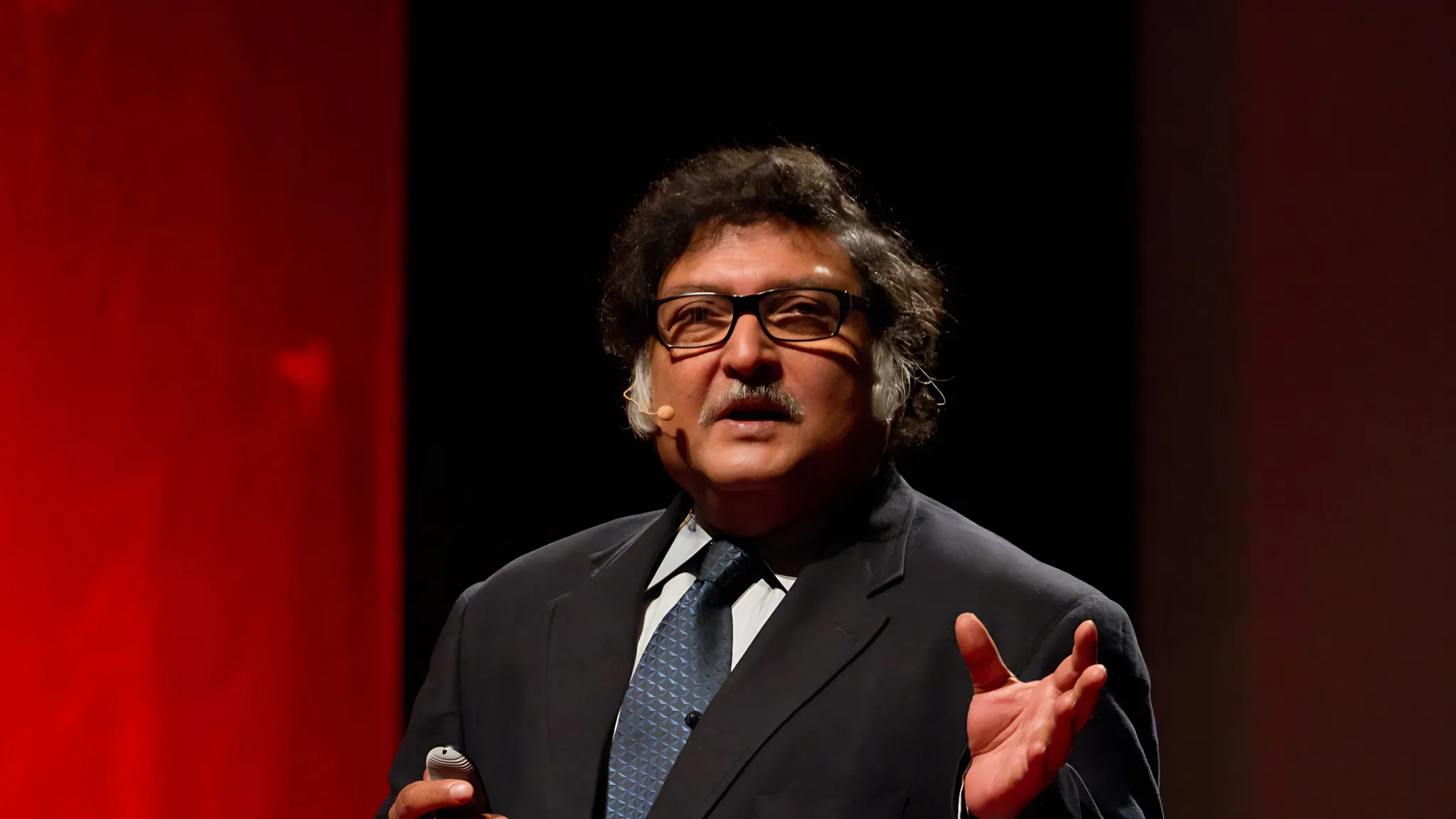
Sugata Mitra was chief scientist at the computer training company NIIT when, on 26 January 1999, his team cut a hole in the wall between its office and the slum next door in Kalkaji, Delhi, and put a computer in it for anyone to use, The Better India reported. No one was there to teach. The children came anyway, and the experiment, soon called the Hole in the Wall, became the work he is best known for.
Sugata Mitra and the computer in the wall
He trained as a physicist and holds a PhD in physics, according to his publisher's profile, which credits him with more than 25 inventions in cognitive science and educational technology. At NIIT he had long been interested in whether children could learn without supervision. He found the best results came when children worked in groups with no adult in charge, Gulf News reported.
The next year similar computers went into Dakshinpuri, another Delhi slum, and later into Lajpat Nagar and Alipur, Gulf News reported. The Delhi government set up 30 learning stations in a resettlement colony in 2000, according to The Better India. Mitra called the approach minimally invasive education.
How the Hole in the Wall spread
In July 2001 the International Finance Corporation, part of the World Bank Group, agreed to invest $1.6 million in a pilot with NIIT to bring internet-based learning to poor children in slums and villages, the IFC said. At the time Mitra headed NIIT's Centre for Research in Cognitive Systems. The two set up Hole-in-the-Wall Education Ltd that year to research and spread the idea, according to NIIT.
By 2009, more than 300,000 children had used some 300 Hole in the Wall stations over eight years, and the project had reached Cambodia in 2004 and several African countries, NIIT said. The diplomat Vikas Swarup has said the project inspired his novel Q and A, which became the film Slumdog Millionaire, NIIT noted.
Sugata Mitra, the TED Prize and the School in the Cloud
Mitra later moved to Newcastle University in England, where he was professor of educational technology until he retired in 2019, according to his Sage profile. In 2009 he started the Granny Cloud, in which retired teachers in Britain talk to children in India over Skype, Newcastle University said.
In February 2013 he won the TED Prize, worth $1 million, to build a School in the Cloud, a learning lab where children explore questions online with remote mentors, TED announced. Seven labs followed, five in India and two in England. The first in India opened in February 2014 at a government girls' school in Kalkaji, a short walk from the original hole in the wall. Mitra described the method as one where "order emerges out of this creative chaos", Newcastle University reported.
The work has drawn sharp criticism. The e-learning writer Donald Clark has argued that there was little independent evidence beyond the project's own research, citing the scholar Payal Arora, and that the studies did not compare kiosk learning with the same amount of time in school, on his blog. Supporters and critics still argue over how much children can learn alone.
Sugata Mitra is now professor emeritus at NIIT University in Rajasthan. More than 25 years after the first experiment, the question he asked in Kalkaji still shapes debates about schools and screens.
For more people changing how India learns, read our stories on Alakh Pandey of PhysicsWallah and Sridhar Vembu of Zoho.
More from FoundersFeed: education founders and founders from Delhi NCR.
This story is based on interviews Sugata Mitra has given to the press, company filings and statements, and news reports, linked above. FoundersFeed did not interview Sugata Mitra for this story. For corrections, write to editorial@foundersfeed.in.
Sources
- The Better India: HiWEL spreading computer literacy
- Gulf News: Indian professor calls for reinventing education system
- IFC: Investment in Hole in the Wall pilot with NIIT (2001)
- NIIT: Jaipur gets its first Playground Learning Center from HiWEL (2008)
- NIIT: Hole in the Wall press release (2009)
- PR Newswire: 2013 TED Prize awarded to Sugata Mitra
- Newcastle University: First School in the Cloud takes shape in India (2014)
- Sage: Author profile of Sugata Mitra
- Donald Clark Plan B: Critique of the Hole in the Wall research (2020)
Questions readers ask
Who is Sugata Mitra?
He is a physicist and education researcher who ran the Hole in the Wall experiment in Delhi in 1999 and won the TED Prize in 2013.
What was the Hole in the Wall experiment?
His NIIT team put a computer in a wall facing a slum in Kalkaji, Delhi, so children could use it freely without a teacher, to see how they learned on their own.
What is the School in the Cloud?
A network of learning labs he set up with his TED Prize, where children explore questions online with remote mentors. Seven labs opened in India and England.
Did the Hole in the Wall inspire Slumdog Millionaire?
The author Vikas Swarup has said the project inspired his novel Q and A, on which the film Slumdog Millionaire was based.
Has his work been criticised?
Yes. Critics such as Donald Clark argue that independent evidence is thin and that the studies did not compare kiosk learning with time in school.

Written by
Sagar PrajapatiSagar Prajapati is Audience Editor at FoundersFeed. He works in digital content and audience analytics, looks after our WhatsApp Channel and social pages, and writes about how young companies build visibility.