The story in 30 seconds
- Harsh Jain co-founded Dream11 with school friend Bhavit Sheth in 2008 after finding no fantasy cricket game in India.
- An early ad-funded model failed; single-match contests worked from 2012.
- Dream Sports became a unicorn in 2019 and was valued at $8 billion in 2021.
- The 2025 online gaming law ended paid contests; Jain said it erased about 95% of revenue.
- Dream11 now runs free, creator-led formats, and a revamped app is due at the end of 2026.
In this story4 sections
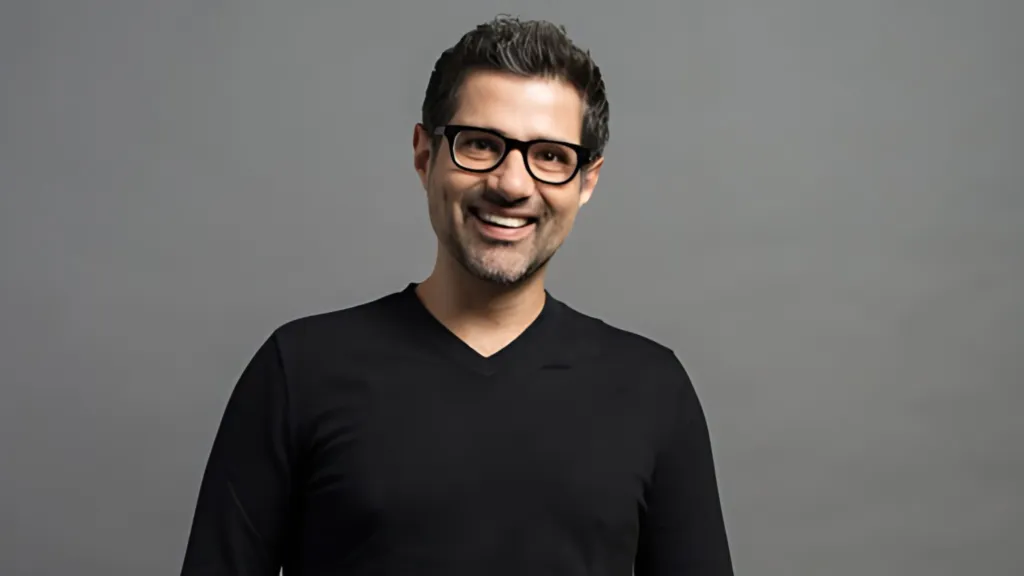
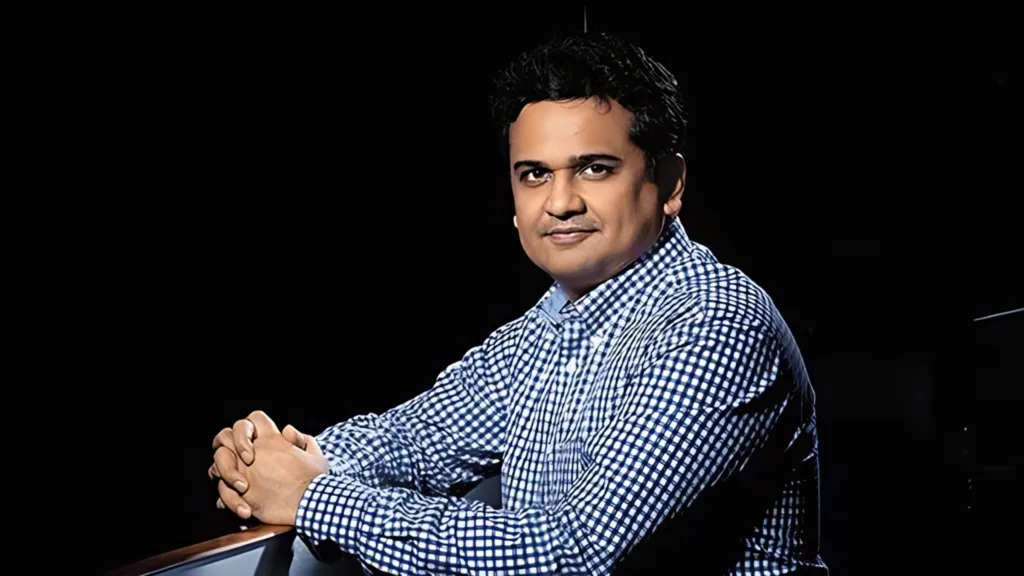
Harsh Jain started Dream11 in 2008 with his school friend Bhavit Sheth, and by 2021 the fantasy sports company was valued at $8 billion after raising $840 million, Outlook Business reported. Then a 2025 law banned online money games, and Jain said the ban erased about 95% of the company's revenue and all of its profits, Outlook Business reported.
How Harsh Jain started Dream11
Jain discovered Fantasy Premier League while studying in the UK in 2001. When he returned to India in 2007 he looked for a fantasy cricket game and found none, he told CNBC Make It, in an interview republished by Dream Sports. He teamed up with Sheth, a childhood friend, and they launched Dream11 in 2008 as a free game paid for by advertising, with one team for a whole season. The founders raised a couple of million dollars from family and friends.
He studied engineering at the University of Pennsylvania and later did an MBA at Columbia Business School, according to Dream Sports. "A lot of people told me this is a U.S.-centric concept," he said in an interview the company published. At Columbia he pitched American investors, who explained what was wrong with the business.
The pivot that made Dream11
The advertising model did not work. After about two years, Indian brands still did not understand fantasy sports and the founders ran short of cash, the CNBC profile said. They kept going by running a digital agency, Red Digital, on the side.
In 2012, after three years of pivots, they found what worked: free and paid fantasy contests for a single match, YourStory reported. Players paid an entry fee into a prize pool, about Rs 40 on average, and Dream11 kept a share. When retention grew in 2013, the founders sold Red Digital for $800,000 and put the money into Dream11, the CNBC profile said. Dream Sports became India's first sports tech unicorn in 2019.
Harsh Jain after the gaming ban
The Promotion and Regulation of Online Gaming Act, passed in August 2025, banned real-money online games and restricted their advertising. Dream11 stopped paid contests. Jain said Dream Sports would not challenge the law in court and would avoid mass layoffs, Outlook Business reported. Dream11 also moved to end its Rs 358 crore jersey sponsorship deal with the Indian cricket team, Outlook Business reported.
In December 2025 Dream Sports split into eight semi-independent units, and more than 100 employees, about 15% of the 700 staff moved into the new units, chose to leave, Outlook Respawn reported. Dream11 became a free second-screen app built around creator-led watch-alongs and free fantasy games, aiming to earn from advertising. The company says it reaches about 250 million users.
Several new bets have since closed. The wealth app Dream Money and the AI sports analytics app Dream Play were shut in June 2026, Inc42 reported. In May 2026 the Supreme Court upheld 28% GST, applied retrospectively, on the full value of bets placed on real-money gaming platforms, a ruling that affects Dream11 among others, Business Today reported. Inc42 reported that Dream Sports faces GST dues of more than Rs 20,000 crore.
In November 2026 Harsh Jain teased a brand new Dream11 for launch at the end of December, built "by sports fans, for sports fans", Inc42 reported.
For more founder stories, read our pieces on Vijay Shekhar Sharma of Paytm and Paras Chopra of Wingify.
More from FoundersFeed: more founder stories and founders from Maharashtra.
This story is based on interviews Harsh Jain has given to the press, company statements and news reports, linked above. FoundersFeed did not interview him for this story. We could not find a public statement from Dream Sports on the May 2026 GST ruling. Some reports give 2009 as Dream11's founding year; the company gives 2008. For corrections, write to editorial@foundersfeed.in.
Sources
- Outlook Business: Dream11 parent bets on fintech after gaming ban (2025)
- Outlook Business: Dream11 pivots to second-screen sports entertainment (2025)
- Dream Sports: CNBC Make It profile of the founders (2022)
- Dream Sports: Meet Harsh Jain (2024)
- Dream Sports: Interview on the pivot to a freemium model
- YourStory: The turning point for Dream11 (2021)
- Outlook Business: Dream11 looks to exit BCCI jersey deal (2025)
- Outlook Respawn: Dream Sports records 100+ exits (2026)
- Inc42: A revamped Dream11 by end of 2026
- Business Today: Supreme Court upholds 28% GST on online gaming (2026)
Questions readers ask
Who is Harsh Jain?
The co-founder and CEO of Dream Sports, the parent of Dream11, which he started with Bhavit Sheth in 2008.
How did Dream11 make money before 2025?
Through paid single-match fantasy contests, keeping a share of each entry fee paid into a prize pool.
What happened to Dream11 after the gaming ban?
It stopped paid contests after the 2025 online gaming law. Jain said the ban erased about 95% of revenue and all profits, and the company did not challenge the law.
What is Dream11 doing now?
It runs free, creator-led watch-alongs and free fantasy games, and Jain has teased a brand new Dream11 for the end of December 2026.
Does Dream Sports face tax dues?
Inc42 reported GST dues of more than Rs 20,000 crore after the Supreme Court upheld 28% retrospective GST on real-money gaming in May 2026.

Written by
Avinash MishraAvinash Mishra is Senior Correspondent, Business and Fintech, at FoundersFeed. He covers banking and payments in India, from UPI economics to RBI regulation, and writes a regular markets brief for founders and operators who track the money side of building a business.