The story in 30 seconds
- Mahashay Dharampal Gulati was born in Sialkot in 1923 and left school in 1933.
- He reached Delhi in September 1947 with Rs 1,500 and drove a tonga for a living.
- In October 1948 he opened a spice shop in Karol Bagh, reviving his father's business, Mahashian Di Hatti.
- MDH set up its first manufacturing unit in Kirti Nagar in 1959, and he later appeared in its TV ads.
- He received the Padma Bhushan in 2019 and died in December 2020, aged 97.
In this story5 sections
Mahashay Dharampal Gulati reached Delhi in September 1947 with Rs 1,500, after Partition, The Tribune reported. He spent Rs 650 on a tonga and drove passengers between New Delhi Railway Station and Qutab Road, and between Karol Bagh and Bara Hindu Rao. In October 1948 he sold the tonga and opened a small spice shop on Ajmal Khan Road in Karol Bagh. From that shop he rebuilt MDH, which The Tribune described as a Rs 1,500 crore business when he died in December 2020, aged 97.
Dharampal Gulati and Mahashian Di Hatti
He was born in Sialkot, now in Pakistan, on 27 March 1923. He left school in 1933 and worked as a woodworker and in soap, fabric and rice factories, The Tribune reported. His father, Mahashay Chunni Lal Gulati, founded MDH spices in Sialkot in 1919. The letters stand for Mahashian Di Hatti, the name of the father's shop, which was popularly known as Deggi Mirch Wale.
From a Karol Bagh shop to factories
In Delhi he charged two annas a ride on the Bara Hindu Rao route, The Better India reported. The Ajmal Khan Road shop was a small wooden khokha, where he revived the Mahashian Di Hatti name. The business grew through word of mouth and local advertising, and he put his own photograph on the packaging. In 1954 he opened Roopak Stores in Karol Bagh, which Gulf News called the city's first modern spice store, and later handed it to his brother Satpal.
MDH was officially established in 1959, when Gulati bought land in Kirti Nagar and set up a manufacturing unit, The Tribune reported. The company moved from hand-ground spices to automatic machines that can produce 30 tonnes of spice powder a day, in packs from 10g to 500g. It sells through more than 1,000 stockists and over 4 lakh retail dealers. By 2019 it had 17 manufacturing units in India and one in Sharjah, offered more than 60 spice variants and exported to more than 100 countries, Gulf News reported.
Dharampal Gulati in the ads
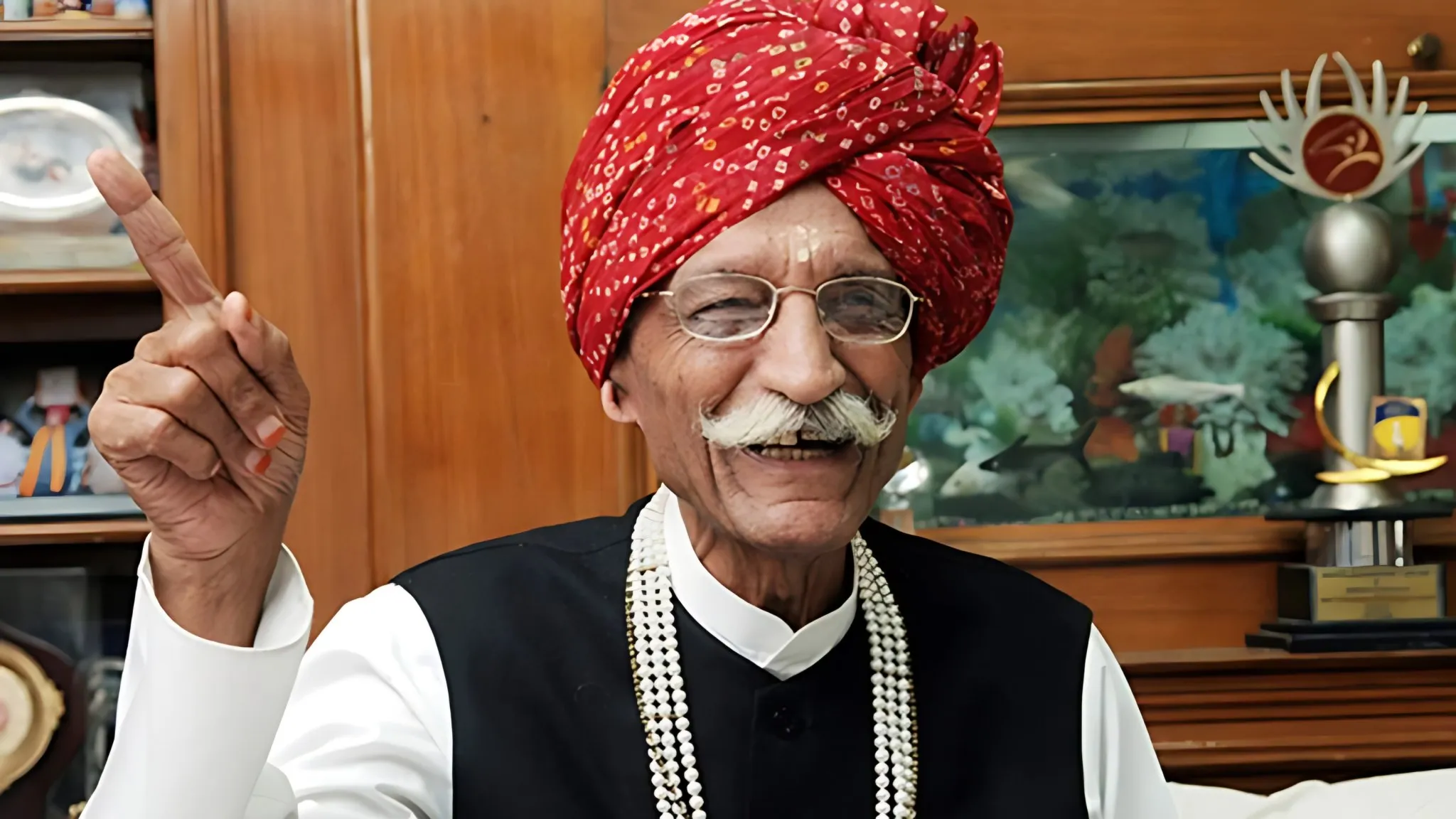
He became the face of MDH, appearing in its TV commercials in a white moustache and red turban, The Weekend Leader reported. His mantra, he told Gulf News, was "to maintain quality in products and keep the prices affordable."
He was described as the highest-paid CEO in India's FMCG sector at 94, with a salary of Rs 21 crore. "Nearly 90% of my salary goes to charity in my personal capacity," he said, according to The Weekend Leader, which put MDH's 2016 revenue at Rs 924 crore and net profit at Rs 213 crore. Mata Chanan Devi Hospital, set up in 1984 in Janakpuri in memory of his mother, treats poor patients free, it reported. He received the Padma Bhushan in 2019. He died on 3 December 2020, Business Today reported. The Hindustan Times put the business at Rs 2,500 crore at the time.
MDH after its patriarch
In April 2024, Hong Kong's Centre for Food Safety suspended sales of three MDH spice blends after reporting ethylene oxide in them, and India's food regulator, FSSAI, began nationwide quality checks of MDH and Everest products, Business Standard reported. MDH called the allegations "untrue" and said it does not use ethylene oxide, The Week reported. In May 2024, FSSAI said it had found no ethylene oxide in the MDH and Everest samples covered by 28 lab reports, South First reported.
Mahashay Dharampal Gulati ran MDH for more than seven decades after opening the Karol Bagh shop.
For more founder stories, read our pieces on A Velumani and Paras Chopra.
More from FoundersFeed: bootstrapped founders and founders from Delhi NCR.
Mahashay Dharampal Gulati died in December 2020. This legacy profile is based on obituaries, interviews he gave and news reports, linked above. Sources differ on some figures and dates, such as the size of the business (Rs 1,500 crore or Rs 2,500 crore) and when Roopak Stores opened (1953 or 1954), so we attribute each. For corrections, write to editorial@foundersfeed.in.
Sources
- The Tribune: MDH Dadaji, who drove a tonga before building a spice business (2020)
- The Better India: The story of MDH and its Dadaji (2020)
- Gulf News: From street seller to spice king (2019)
- The Weekend Leader: King of spices (2020)
- Hindustan Times via PressReader (4 December 2020)
- Business Today: MDH owner dies at 97 (2020)
- Business Standard: FSSAI orders nationwide quality check on MDH, Everest products (2024)
- The Week: MDH denies pesticide allegations (2024)
- South First: FSSAI finds no ethylene oxide in MDH, Everest samples (2024)
Questions readers ask
Who was Mahashay Dharampal Gulati?
The owner and CEO of MDH, who restarted his father's Sialkot spice business in Delhi in 1948 and appeared in its TV ads. He died in December 2020, aged 97.
What does MDH stand for?
Mahashian Di Hatti, the name of the spice shop his father founded in Sialkot in 1919.
How did Dharampal Gulati start in Delhi?
He arrived in September 1947 with Rs 1,500, bought a tonga for Rs 650, then sold it and opened a spice shop on Ajmal Khan Road in Karol Bagh in October 1948.
When did MDH set up its first factory?
In 1959, when Gulati bought land in Kirti Nagar, Delhi, and set up a manufacturing unit.
What happened with MDH in Hong Kong in 2024?
Hong Kong suspended sales of three MDH blends over ethylene oxide. MDH called the claims untrue, and FSSAI later said it found no ethylene oxide in the samples it tested.

Written by
Avinash MishraAvinash Mishra is Senior Correspondent, Business and Fintech, at FoundersFeed. He covers banking and payments in India, from UPI economics to RBI regulation, and writes a regular markets brief for founders and operators who track the money side of building a business.